

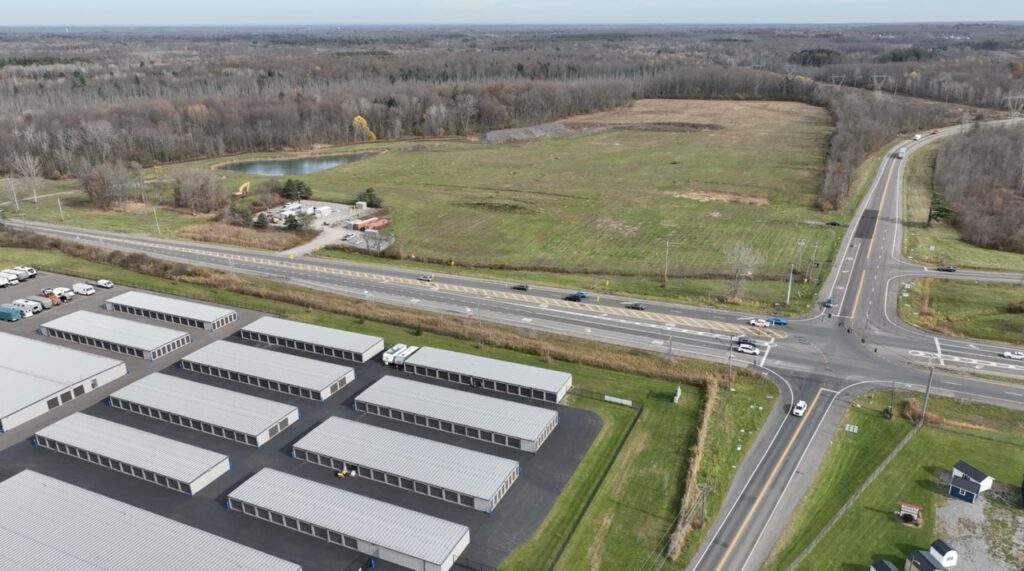
LYSANDER, N.Y. (NCC NEWS) — An empty plot of land for sale in Lysander has an eye-watering asking price: $60 million. It’s not a scenic view fit for a mansion, nor an exclusive waterfront property — so why is this 124-acre plot listed for so much? It’s the potential site of a 300-megawatt data center.
Lysander resident Wayne Weiss has lived in his house for decades. It’s a half mile from the proposed site. Weiss says he’s concerned about his utility bills going up because of the neighboring data center.
New York ISO, the state’s independent energy grid operator, is responsible for approving proposals on the grid. New York has seen an exponential increase in projected energy use in the past few years in part due to data center proposals.
“We’re not prepared for that influx of demand that’s coming,” said Kevin Lanahan, senior vice president of external affairs and corporate communications at NY ISO.
Lanahan said the ISO won’t approve proposals it doesn’t have the energy for, but added that new energy generation is needed to keep up with demand.
“When we look at that forecasted demand over the next ten years, we don’t have enough generation in the system,” said Lanahan. “So what does that mean? How do we solve for that? We need new resources, we need to expedite the development of new generation.”
In the meantime, there is potential for prices to go up for New Yorkers, even though many projects like data centers are required to pay for their own energy generation. A recent article published by the University of Pennsylvania showed residents in Ohio and Maryland having to pay nearly $20 a month more for electricity – with a large part of that strain coming from data centers.
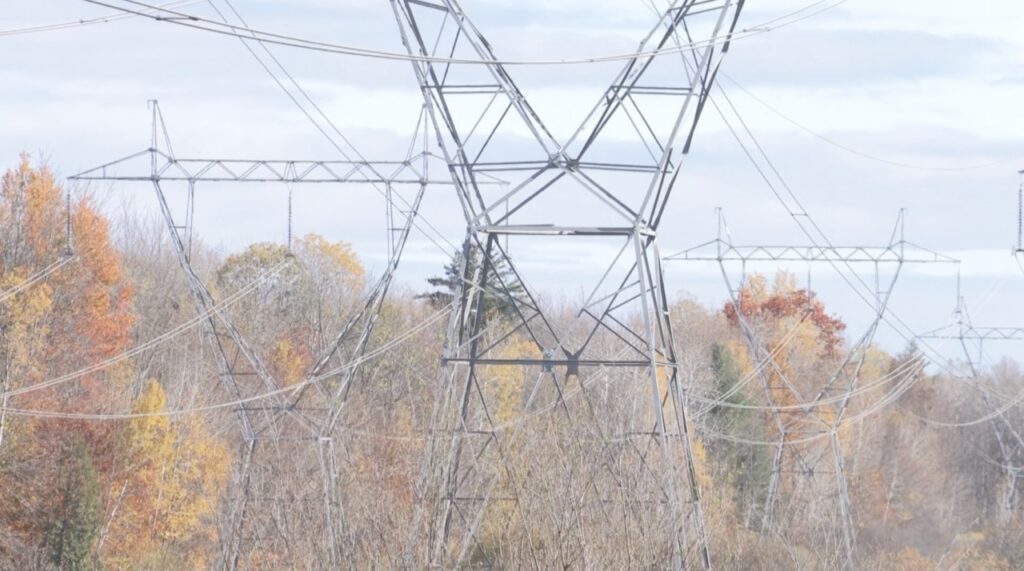
New York has the oldest energy grid in the country — more strain could lead to rolling blackouts as well.
“The industry calculates that a turbine installed 40 years ago is now nearing the end of its expected life — we’re running units on the system that are 70+ years old,” said Lanahan.
Across the country, data centers have been a divisive topic — a Pew Research Center survey reported in September that more than 60% of Americans say they would not be comfortable with a new data center operating in their area. Still, the proposals are coming in regardless of public opinion. It’s the ISO’s job to prepare for their arrival.
“Data centers are in our queue, we see them, we know that they’re coming,” said Lanahan. “We are modeling in a certain amount in the future and we feel that amount of data center load that we’re modeling in is pretty conservative compared to what’s in the queue.”
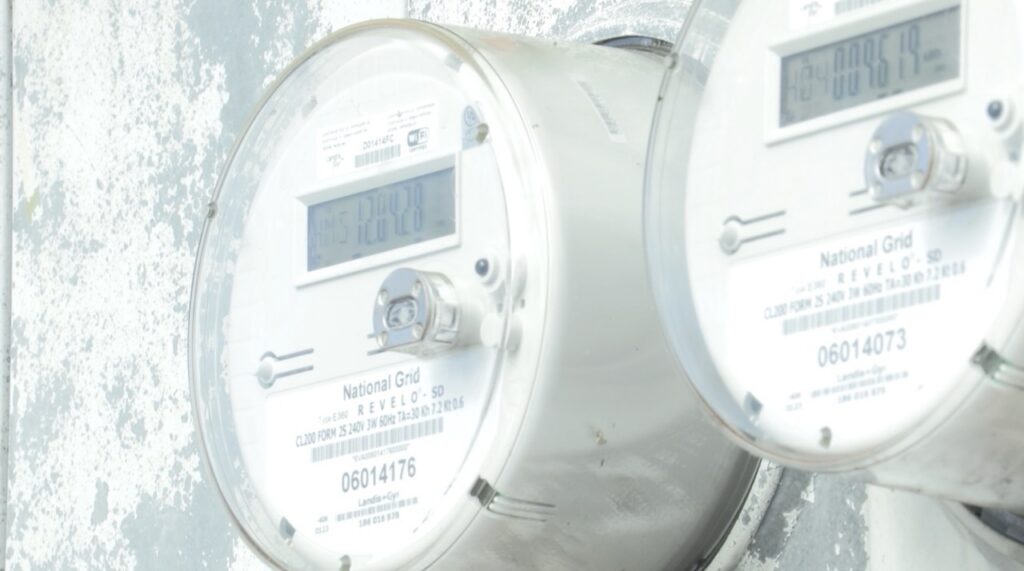
If NY ISO does its job, Lanahan said, the effects of these proposals shouldn’t be passed on to consumers. However, Lanahan says the grid’s current state is not sustainable.
“The simple laws of supply and demand; we’ve lost generation, we haven’t connected enough supply to make up for that, and demand is going up,” he said. “Those three factors mean the costs are up for everybody.”
For Lysander residents like Weiss, there’s not much they can do. The town approved a six month moratorium in May, and extended it for another six months in November to give themselves more time to update town codes and better prepare for a potential data center.