

VIDEO TRANSCRIPT: Indiana bat threatens Micron’s plans
Ben Bascuk: Fishing Oneida Lake and running from pesticide planes is how Katie Mulligan spent silent childhood summers in the upstate New York wetlands, waiting for insects to return in the fall.
Katie Mulligan: “I think seeing how immediately that ecosystem disappeared was really devastating.”
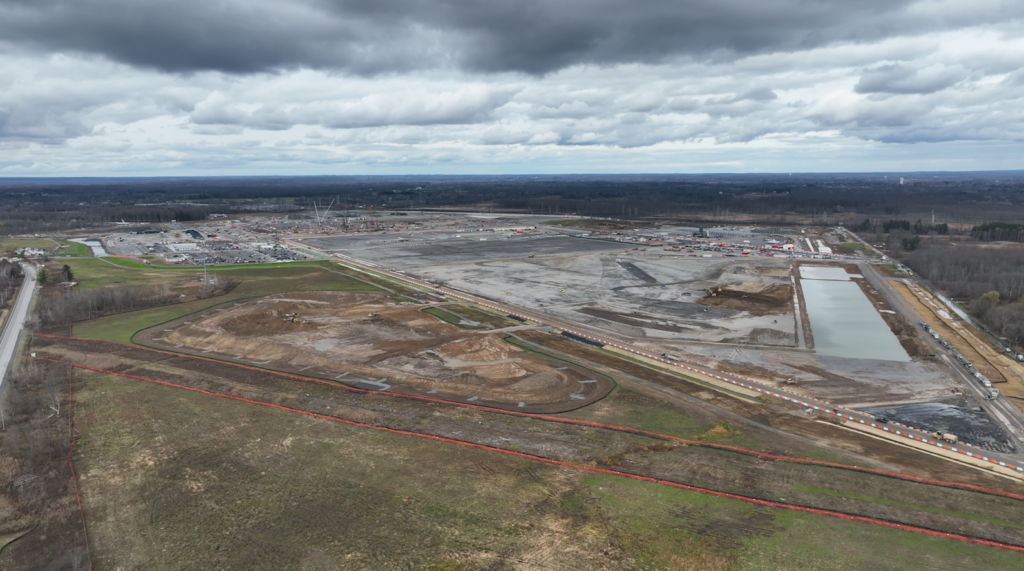
Bascuk: More than 350 acres of trees have been cut down by Micron Technology, which is building the largest semiconductor facility in the United States. Mulligan uses her art to document the endangered species who roosted in those canopies, like the Indiana bat.
Mulligan: “They are a very prominent example of sort of this byproduct of development that ecosystems and organisms just sort of disappear at rates that are fairly alarming. And often it’s not spoken of.”
Bascuk: In September, an internal U.S. Fish and Wildlife Service memo reinterpreted the Endangered Species Act. It makes only the intentional killing or capture of animals, not collateral harm, illegal. State mammalogist for Indiana, Brad Westrich, says human disturbance landed the bats on the endangered species list in the first place.
Brad Westrich: “Requirements for mitigation for the Indiana bat are going to vary from state to state, but for the most part, they are stronger under federal law.”
Bascuk: Now, a key federal protection is gone.
Annie-Laurie Hunter: “We’re heading in the wrong direction. I’m not going to stand in the way of development, but at the same time, we’ve got to have a balance.”
Sarah Flouton: “We had six endangered and threatened species of bats that made their habitat where Micron’s building, and that’s such a heartbreaker.”
Bascuk: Under the new Trump administration rule, clearing the trees without intent to kill no longer counts as harming the bats roosting there. To offset the lost habitat, Micron agreed to purchase and protect nine offsite properties, at least two acres of habitat for every acre of trees cleared.
Catherine Landis: “The replacement areas, the mitigation sites are, first of all, much smaller. They’re more in sort of human cultural landscapes.”
Bascuk: Catherine Landis is a science advisor at the SUNY College of Environmental Science and Forestry and says the issue is habitat fragmentation, smaller replacement sites surrounded by roads and farmland.
Westrich: “Ideally, you want to try to get bat mitigation properties that are larger or at least contiguous. So one solid piece of property.”
Bascuk: U.S. Fish and Wildlife Service’s Northeast Region says the new rule and guidance do not automatically cancel or change the conservation measures already approved, which will remain in place unless they are formally revised through the appropriate process.
Bascuk: A Micron spokesperson did not address whether the company plans to seek formal revisions, but said we remain committed to working toward, wherever necessary, the mitigation strategies developed.
Landis: “Personally, it’s quite disturbing for me. Very painful. And to go up and see that site, it’s just a moonscape now.”
Mulligan: “I often feel like we have to go beyond the canvas, especially with the urgency of contemporary times. I’m drawing them, not in a way to sort of like mourn them strictly. I also want people to engage in the present tense and realize how important it is to protect them while they’re still here.”
Bascuk: In a September lawsuit Mulligan joined neighbors, claiming Micron deferred key wetland mitigation elements. The Department of Justice urged a judge to toss the lawsuit for national security. Now the case sits at the New York State Supreme Court with no decision date set. In Clay, Ben Bascuk, NCC News.
SYRACUSE, N.Y. (NCC News) — Artist Katie Mulligan spent silent childhood summers fishing Oneida Lake and running from pesticide planes, waiting for insects to return in the fall.
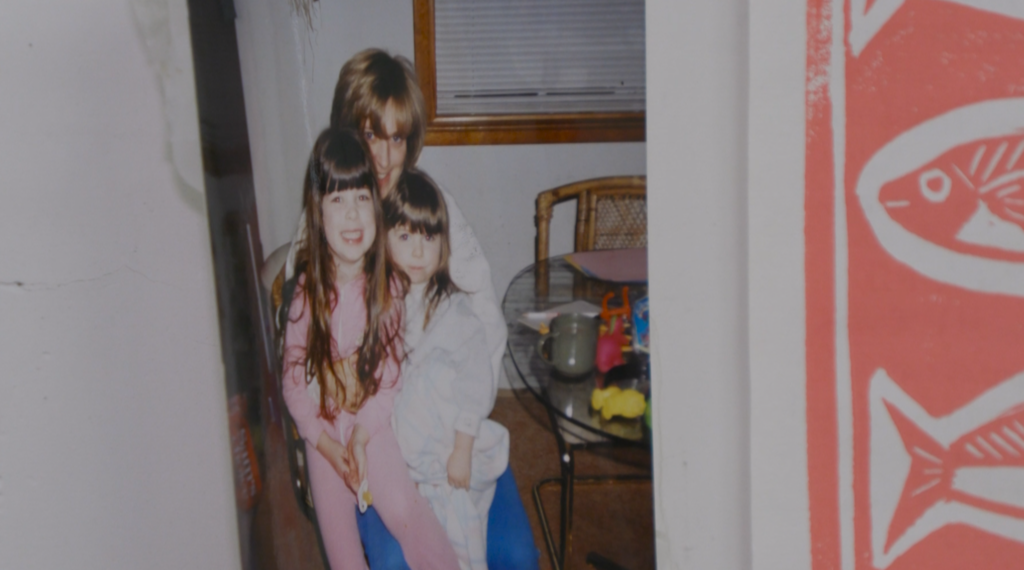
“I think seeing how immediately that ecosystem disappeared was really devastating,” said Mulligan.
More than 350 trees have been cut down by Micron Technology in Clay, a step toward completing the largest semiconductor manufacturing facility in the United States and largest private-sector construction project in New York history.
Mulligan’s exhibit, “No Man’s Land: Reimagining the Myth of Cicero Swamp,” documents the endangered species that roosted in those canopies, like the Indiana bat.
“They are a very prominent example of sort of this byproduct of development that ecosystems and organisms just sort of disappear at rates that are fairly alarming. And often it’s not spoken of,” said Mulligan.
In a September internal U.S. Fish and Wildlife Service (USFWS) memo, the Trump administration quietly stripped the Endangered Species Act of a core protection. The accidental killing or injury of an animal would no longer be considered illegal without intent, following the final rule rescinding the regulatory definition of “harm.”
“Requirements for mitigation for the Indiana bat are going to vary from state to state. But for the most part they are stronger under federal law than most states,” said Brad Westrich, the mammalogist at the Indiana Department of Natural Resources.
The Indiana bat landed on federal and New York state endangered species lists in 1966 due to human disturbance, and suffered a 72%n decline in New York from 2007 to 2024, according to a USFWS 2024 Population Status Update.
“We’re heading in the wrong direction,” said East Syracuse wildlife rehab specialist Annie-Laurie Hunter, who lives on a seasonal arboreal federal wetland. “I’m not going to stand in the way of development, but at the same time, we’ve got to have a balance.”
“We had six endangered and threatened species of bats that made their habitat where Micron’s building, and that’s such a heartbreaker,” said Liverpool bird-watcher Sarah Flouton, who lives just miles away from the new facility. “It’s really been driving up prices of housing. It’s affecting both the people and the environment. And I’m just having a lot of misgivings with them right now.”
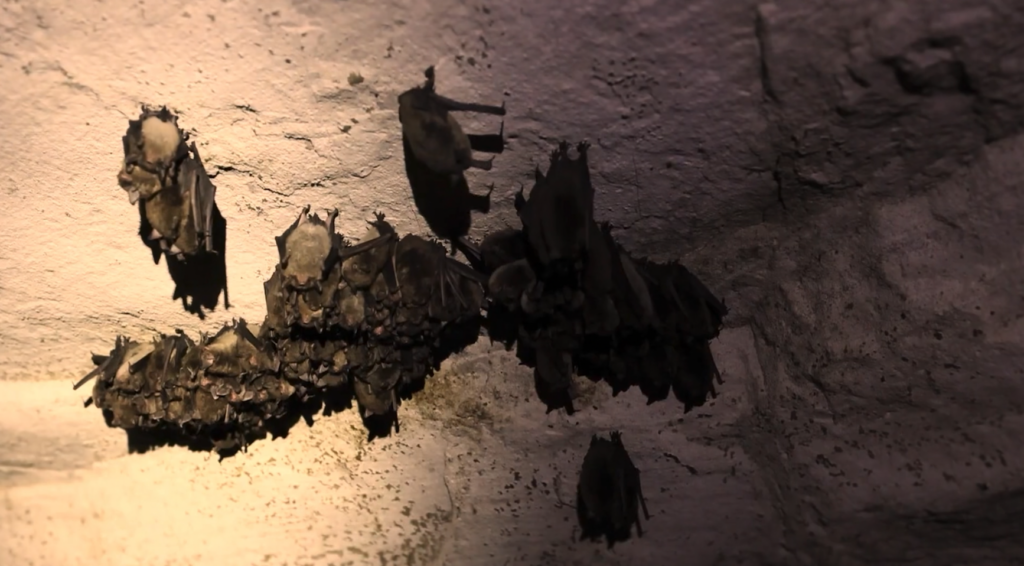
Under the new rule, “Felling a tree is not a take of the bats roosting in it unless the tree is felled for the purpose of killing or capturing them,” according to the memo.
To offset the lost habitat, Micron agreed to purchase and permanently protect 1,647 acres of occupied bat habitat across nine off-site parcels – at least two acres of suitable bat roosting habitat for every one acre of forest removed as a result of the project.
“The replacement areas, the mitigation sites are, first of all, much smaller than 1,400 acres. And they’re not surrounded in this sort of habitat matrix,” said Catherine Landis, science advisor at SUNY-ESF. “They’re more in sort of human cultural landscapes.”
“Personally, it’s quite disturbing for me. Very painful. And to go up and see that site, it’s just a moonscape now,” said Landis, who visited the construction site in early June and did not return.
Landis called the practice habitat fragmentation.
“Ideally you want to try to get bat mitigation properties that are larger or at least contiguous,” said Westrich. “So one solid piece of property, something that’s not broken up because where you have lots of broken up habitats or smaller habitats used as mitigation, it can negatively impact bats.”
“The new rule and guidance do not automatically cancel or change the conservation measures already approved for the Micron project. Those requirements remain in place unless they are formally revised through the appropriate process,” said a USFWS Northeast Region spokesperson.
The agency issued the Biological and Conference Opinion to the U.S. Department of Commerce’s CHIPS Program Office in November 2025, forbidding Micron from clearing trees between April 1 and Oct. 31 while the Indiana bat roosts.
“We remain committed to working toward, wherever necessary, the mitigation strategies developed, which include bat hibernaculum preservation and over $1 million of bat related research, to help maximize the positive impacts of more than $100 billion of investment here in Central New York,” said a Micron spokesperson.
Mulligan still takes walks through the Cicero Swamp, listening for symphonies of birds in the summer and insects in the fall.
“I’m drawing them, not in a way to sort of like mourn them strictly or sort of put them in a past tense. But I also want people to engage in the present tense and realize how important it is to protect them while they’re still here,” said Mulligan.
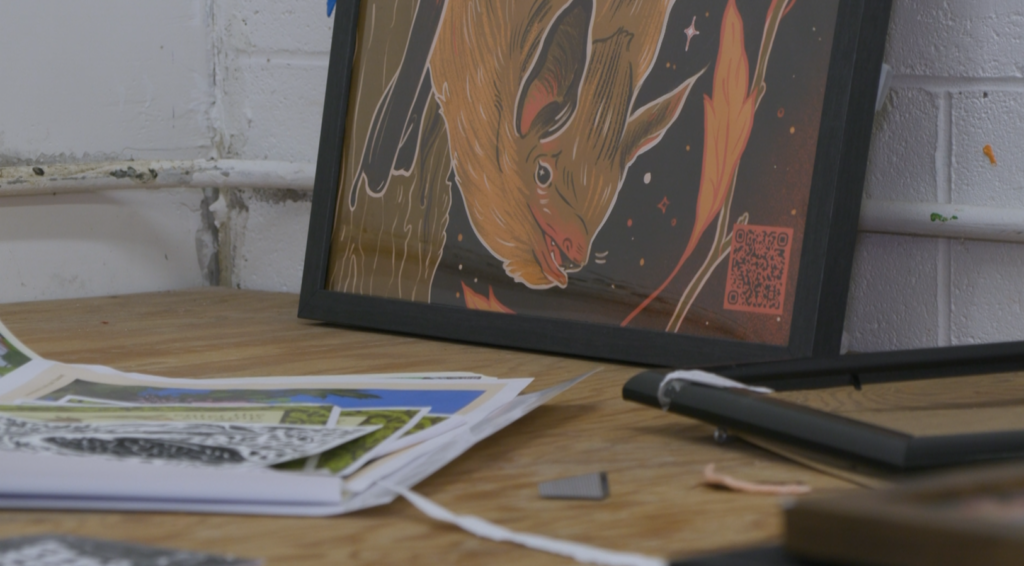
In a September lawsuit, Mulligan joined Neighbors for a Better Micron, alleging key elements of wetland mitigation, including replacement ratios and site selection, are deferred to future evaluation and permitting.
Last summer, the U.S. Department of Justice (DOJ) filed a Statement of Interest urging a New York judge to dismiss the environmental lawsuit challenging Micron’s plans. The DOJ claimed it would harm U.S. national security and supply chain resilience.
The lawsuit is pending a ruling at the New York State Supreme Court, with no decision date set.
“I often feel like we have to go beyond the canvas, especially with the urgency of contemporary times,” said Mulligan.