

VIDEO TRANSCRIPT: Finding peace in the noise: Why more Central New Yorkers are turning to sound baths
Hunter Caparelli, NCC News Reporter: In a world filled with busy schedules and everyday stress, some Central New Yorkers are turning to an unconventional form of self-care to find a sense of calm. I spent time with a local sound therapy practitioner and a mental health counselor to learn why sound baths are growing in popularity. The room is quiet. The lights are dim. And for the next hour, the only thing participants are asked to do is listen.
Kaitlynn Tassone, Founder of Transformational Tones: The sounds take you on a sound journey. Puts you in a relaxed state where you’re able to heal.
Caparelli: Sound bath practitioner Kaitlynn Tassone has spent years building wellness experiences centered around mindfulness and sound. But she says the focus isn’t on the instruments. It’s on creating space for people to disconnect from the outside world.
Tassone: People are seeking different experiences where it’s like how can I feel more? How can I feel better? And how can my mental health be good?
Caparelli: Red light sound baths use instruments like crystal singing bowls and chimes to create an immersive listening experience. While every session is different, many people like Brittany Pederson say they come for the same reason—to slow down.
Brittany Pederson, Class Participant: I would explain it as this is something immersive, it’s intimate. There’s no distractions. There’s nothing to take your focus away from it.
Caparelli: Mental health professionals say practices rooted in mindfulness and relaxation have become increasingly popular as people search for healthy ways to manage stress and improve their well-being.
Katherine Hyatt, Licensed Mental Health Counselor: But even in mental health, a lot of our theoretical orientations wrap around mindfulness. So dialectic behavioral therapy, cognitive behavioral therapy, EMDR.
Caparelli: For many Central New Yorkers, Hyatt says mental health practices aren’t about escaping life’s challenges. It’s about finding a moment of peace in the middle of them.
Hyatt: We just have to know and create that practice within our life of just pause for a moment, notice what’s happening around us, and within us.
Caparelli: And while sound baths continue to grow in popularity, mental health professionals like Hyatt stress they’re not a replacement for counseling or medical treatment. Instead, many people view them as one tool among many to help manage stress and prioritize self-care.
SYRACUSE, N.Y. (NCC News) — In a darkened room filled with the soft hum of crystal singing bowls, participants settle onto yoga mats, close their eyes and take a deep breath.
For the next hour, there are no emails to answer, deadlines to meet or notifications to check. Instead, the focus is on listening.
Sound baths, a wellness practice that uses instruments such as singing bowls, gongs and chimes to create immersive sound experiences, have become increasingly popular among people looking for ways to manage stress and carve out time for self-care. In Central New York, practitioners like Kaitlynm Tassone are introducing more residents to the practice as interest in mindfulness and wellness continues to grow.
“The sounds take you on a sound journey and puts you in a relaxed state where you’re able to heal,” Tassone said. “You oftentimes feel the vibrations throughout your entire body. And a lot of people are starting to realize the body keeps score.”
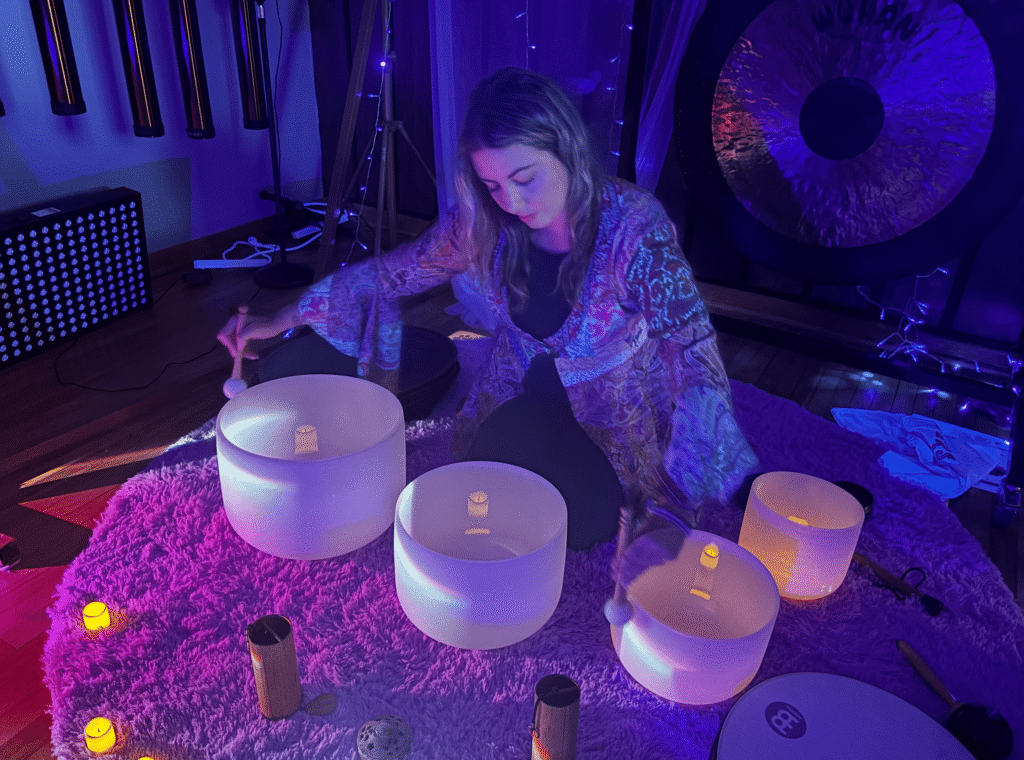
Unlike traditional therapy sessions, sound baths do not involve conversation or treatment. Participants typically lie down or sit comfortably while listening to a series of sounds and vibrations designed to encourage relaxation and focused attention.
Many attendees say the appeal is simple: It gives them a chance to slow down.
“I would explain it as this is something immersive, it’s intimate,” said class participant Brittany Pederson. “There’s no distractions. There’s nothing to take your focus away from it.”
The practice arrives at a time when many Americans report feeling increasingly stressed and overwhelmed. According to the National Center for Complementary and Integrative Health, meditation and mindfulness practices have grown significantly in popularity over the past two decades as people seek additional ways to support their overall well-being.
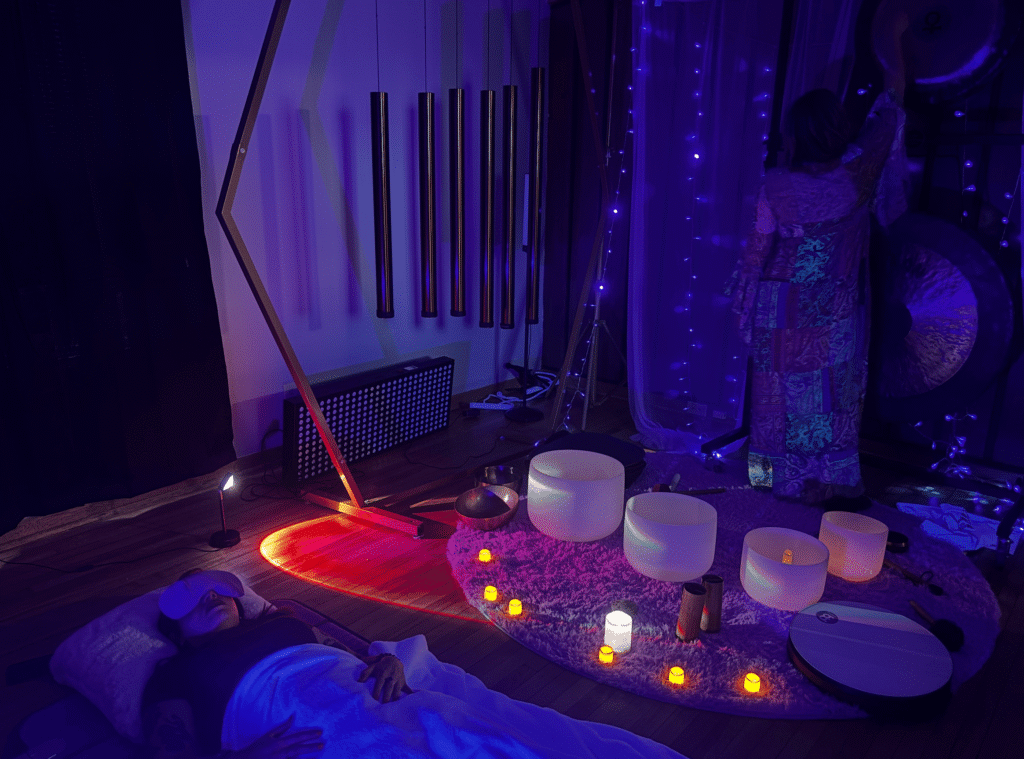
Mental health professionals say experiences that encourage mindfulness can play an important role in helping people manage everyday stress.
“But even in mental health, a lot of our theoretical orientations wrap around mindfulness,” said Katherine Hyatt, a licensed mental health counselor and founder of Branches of Growth Mental Health Counseling and Yoga Studio. “So dialectical behavioral therapy, cognitive behavioral therapy, EMDR, a lot of treatments for mental health issues is wrapped around mindfulness.”
Hyatt emphasized that wellness practices like sound baths are not replacements for professional mental health care when it is needed. Instead, she views them as one tool that some people use alongside other healthy habits.
“We just have to know and create that practice within our life of just pause for a moment, notice what’s happening around us, and within us,” said Hyatt.
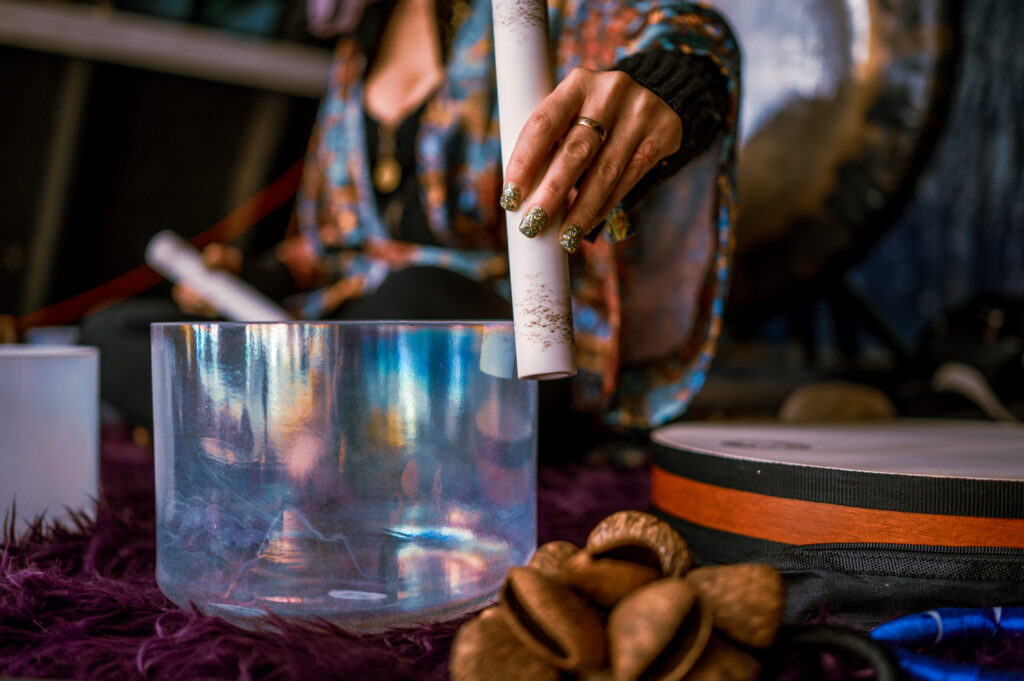
Tassone’s own journey into sound facilitation began years ago through her work as an artist and entrepreneur. After traveling across the country creating immersive art and wellness experiences, she returned to Syracuse to build a space where people could gather, reflect and recharge.
While the instruments and techniques may be unfamiliar to some, she believes the reason people attend is universal.
“People are seeking different experiences where it’s like, ‘How can I feel more?'” Tassone said. “‘How can I feel better?’ And, ‘How can my mental health be good?'”
As the final notes of a singing bowl fade and participants begin rolling up their mats, the room slowly comes back to life. Conversations resume, phones are checked and daily routines continue.
But for many who attend, the hour spent immersed in sound offers something increasingly difficult to find: A moment of stillness in a noisy world.