

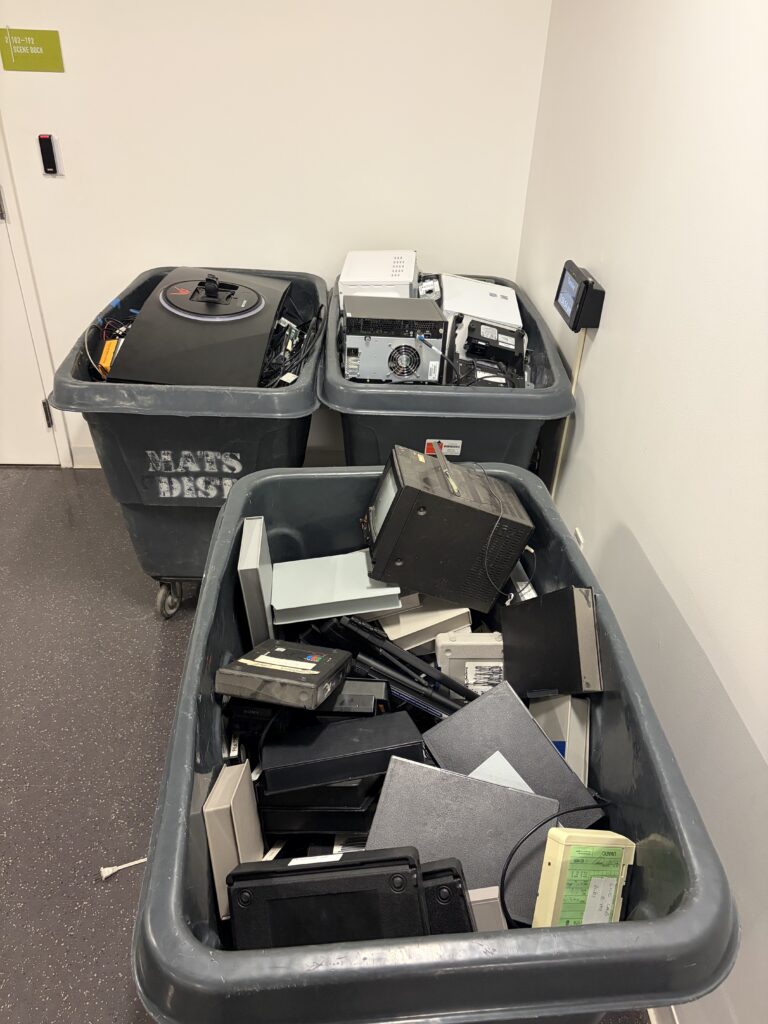
SYRACUSE, N.Y. (NCC News) — A lithium‑ion battery tossed into household trash sparked a garbage truck fire in Camillus on Monday, forcing crews to dump a burning load of waste onto a neighborhood street. No one was hurt, but the incident is the latest reminder from state and local officials that electronics and rechargeable batteries need to be discarded correctly.
New York’s Electronic Equipment Recycling and Reuse Act designates a wide range of everyday household electronics as electronic waste, or e‑waste.
“Televisions, computers, video game consoles and other e‑waste contain hazardous materials,” Onondaga County Resource Recovery Agency (OCRRA) said in a statement. “New York State law does not allow them to be placed in your home trash or recycling bins. By dropping off e‑waste at designated collection points, consumers help protect the environment and make it possible to recover and recycle precious metals used to make electronics.”
The New York State Department of Environmental Conservation warns that improperly disposed electronics can leach toxic materials — including lead, mercury and cadmium — into the environment.
“Fortunately, New York state consumers have access to safe and convenient acceptance of their electronic waste for recycling through producer-funded programs,” the DEC said.
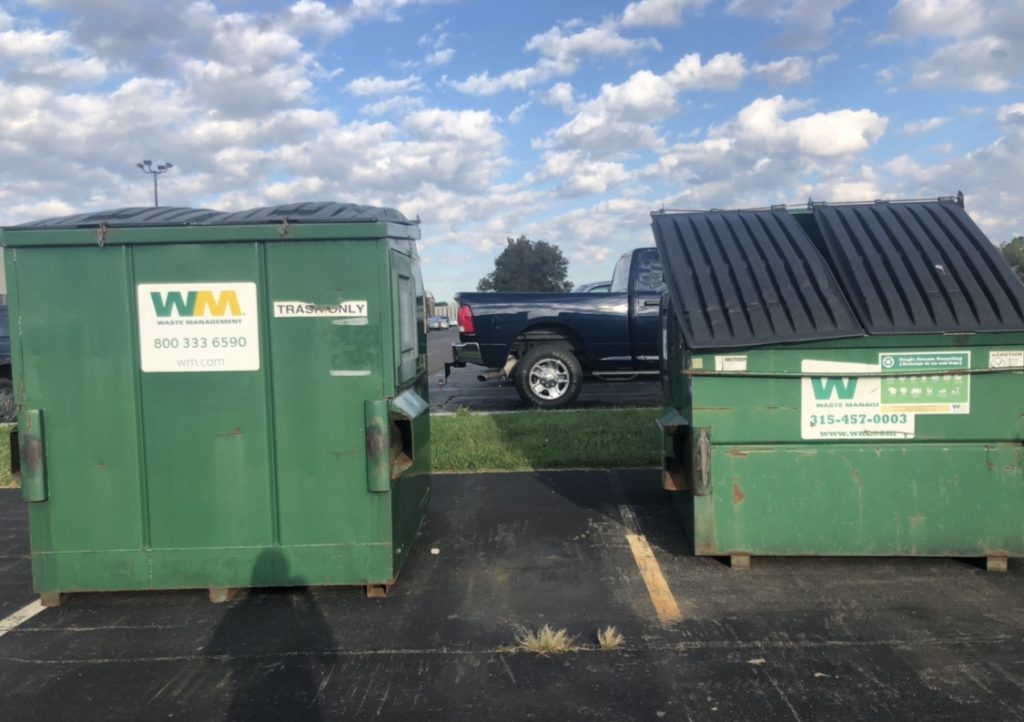
The Camillus garbage truck fire is part of a national trend tied to the rise of lithium‑ion and other rechargeable batteries.
“As more items that rely on powerful batteries enter the marketplace, waste management agencies across the country have noticed an emerging trend — fires caused by rechargeable batteries,” OCRRA said.
Embedded batteries should never be thrown out like any other household items because they can ignite when crushed in garbage trucks or compactors, creating a risk to workers and property.
“It is important for consumers to understand that due to variations in the way batteries are made, they have different chemistries,” OCRRA said. “Therefore, there is not a one-size-fits-all solution for managing batteries at the end of their useful life. Knowing what type of battery you have is an important step toward managing it properly and potentially preventing a fire.”
New York state oversees a network of collection sites that accept different types of e‑waste. The sites include participating retailers such as Staples, Best Buy and the Salvation Army, as well as mail-in or online options such as Amazon’s recycling program. OCRRA does not accept e-waste directly, and each site determines which items it will take.
“Remember, not everything that gets plugged or takes a battery is e-waste, as covered by the law. So, we generally list some of the items to help people…TVs, computers, gaming consoles, printers, etc…But, we did try to put together a cheat sheet for people who need a little help knowing where to go,” said OCRRA public information officer Tammy Palmer.
For battery recycling locations and further e-waste disposal instructions, visit OCRRA’s battery management resources and the NYSDEC’s e-waste recycling guide.