

VIDEO TRANSCRIPT: Vintage raceboats reclaim Onondaga Lake
Joey Cicini: These boats were built before colored television, and they still fly.
Russ Sciolino: You’re sort of scared, you have your doubts, but once you’re in that boat, as soon as you press that button, that motor comes to life and you’re moving. Yeehaw, it’s a good time.
Cicini: At Willow Bay, restored raceboats tear across the lake at over a hundred miles an hour. Events like these pull over 50 drivers from 10 states, soaking in the environment. Showing off their latest vessel but it goes beyond the bells and whistles.
Rick Shannon: I love the noise. I love the sound. The beauty of the boats on the water. Nobody gets paid for these things. It’s a get together of Vintage Family. That’s what we call it, the Vintage Family.
Cicini: Shaun Kelson understands. He’s a third-generation racer, 25 years on the water. Every boat is a time capsule; carrying a name, a history, a legacy.
Shaun Kelson: All of these boats out here were once national champions. We’re out here to just keep that story going. Keep the stories of those that have been gone for a while. Keep their memories fresh in our minds.
Cicini: These boats take months, even years to restore. The thrill is not always about speed, it’s about knowing what it took to get here. Something no price tag can ever value.
Kelson: These aren’t something you just go to the boat dealership and buy. These are built. Each one is one-off. To actually experience that and see your hard work translate to that adrenaline on the water, you can’t match it.
LIVERPOOL, N.Y. (NCC News) — The boats skipping across Willow Bay last weekend were built long before most of the people watching them were born. They are also still some of the fastest things on Onondaga Lake.
About 50 racers from roughly 10 states brought restored vintage race boats to Onondaga Lake Park for the Vintage Raceboat Regatta. It’s a two-day event that sent hulls dating back as far as the 1950s racing across the water at speeds topping 100 mph. The free event is billed as the largest stand-alone gathering of its kind on the East Coast.
Throughout the weekend, drivers took turns running their boats across Willow Bay, throwing tall plumes of spray known as roostertails, as spectators lined the shore. For the crews, the instant before the engine roars to life all those nerves finally start to settle down.
“You’re sort of scared, you have your doubts,” said Russ Sciolino, a crew member for Typhoon Joolie. “But once you’re in that boat, as soon as you press that button, that motor comes to life and you’re moving. Yeehaw, it’s a good time.”
These are not boats anyone can simply buy. Many are decades old, hand-built and restored over years by the same people who pilot them across the bay.
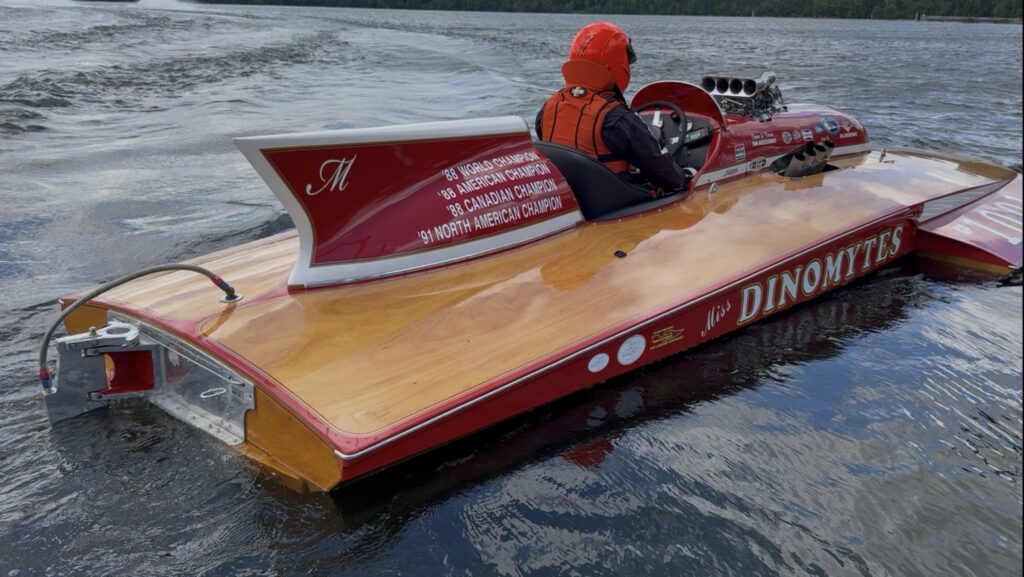
“These aren’t something you just go to the boat dealership and buy. These are built. Each one is one-off,” said Shaun Kelson, a third-generation racer who has been doing this for 25 years. “To actually experience that and see your hard work translate to that adrenaline on the water, you can’t match it.”
The regatta is also a quiet measure of how far Onondaga Lake has come. For much of the 20th century, it was considered one of the most polluted lakes in the country, fouled by more than 100 years of industrial waste.
A cleanup costing roughly $1 billion has restored water quality and reopened the lake to recreation — from kayaking and fishing to boats that scream past at more than 100 mph. That comeback is part of what draws the racers back each summer.
No one earns a paycheck. They tow their boats across state lines, lower them into the bay and spend the weekend among people who share the same obsession.
For Rick Shannon, the event’s organizer, that camaraderie is the real story; not the speed, but the people who show up for it year after year.
“I love the noise. I love the sound. The beauty of the boats on the water,” Shannon said. “Nobody gets paid for these things. It’s a get-together of vintage family. That’s what we call it, the vintage family.”
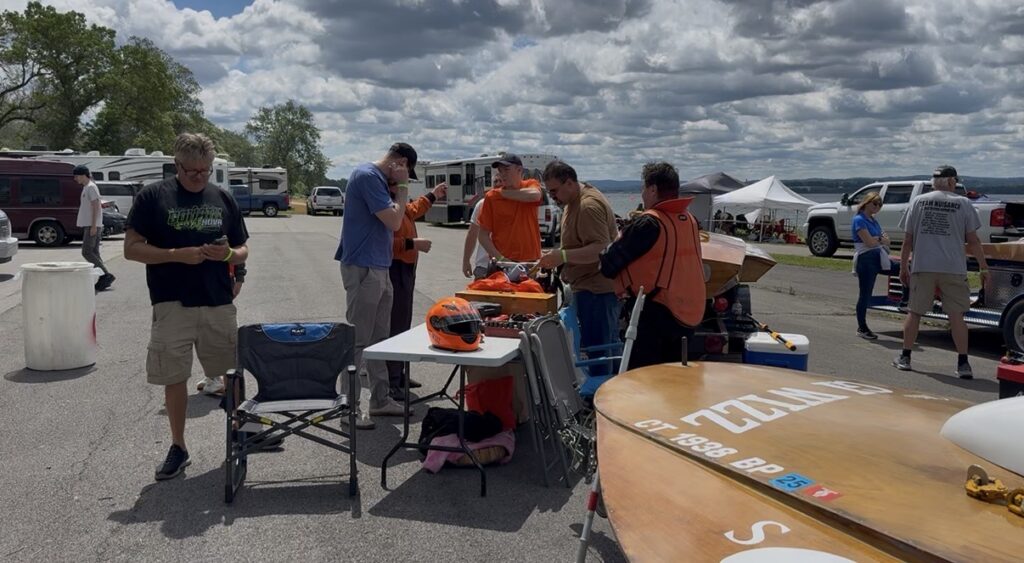
For Kelson, the regatta is about far more than speed. Each boat carries a history, and many were champions in their prime. Keeping them running, he said, is a way of keeping those stories and the people behind them alive.
“All of these boats out here were once national champions,” Kelson said. “We’re out here to just keep that story going. Keep the stories of those that have been gone for a while. Keep their memories fresh in our minds.”