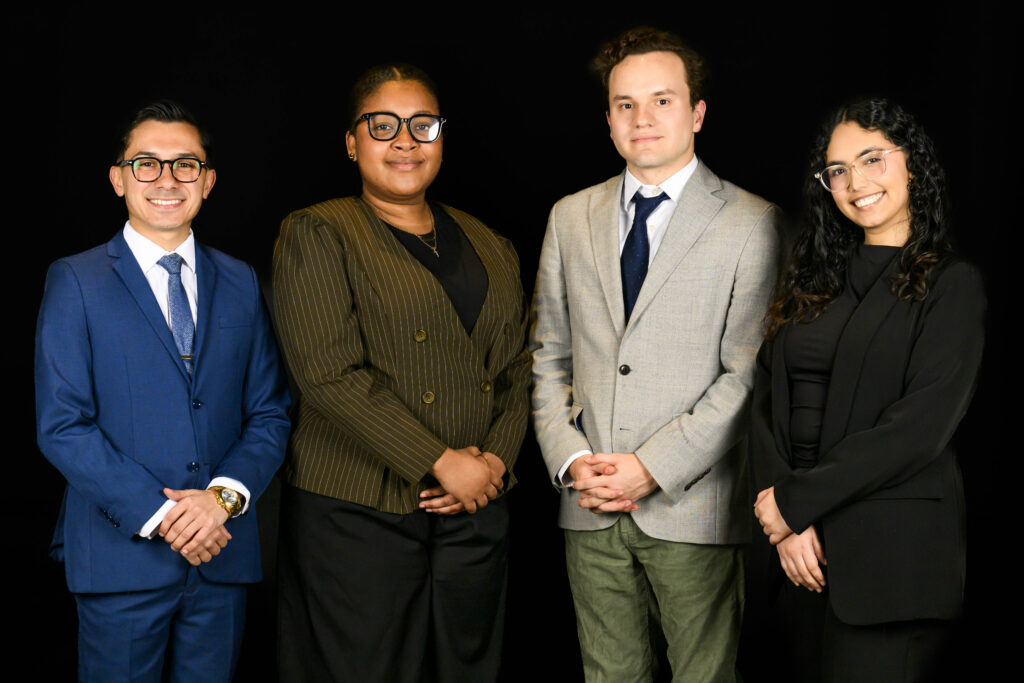

With Elany Romero Cruz, Jai’La Du Rousseau and James Kelly
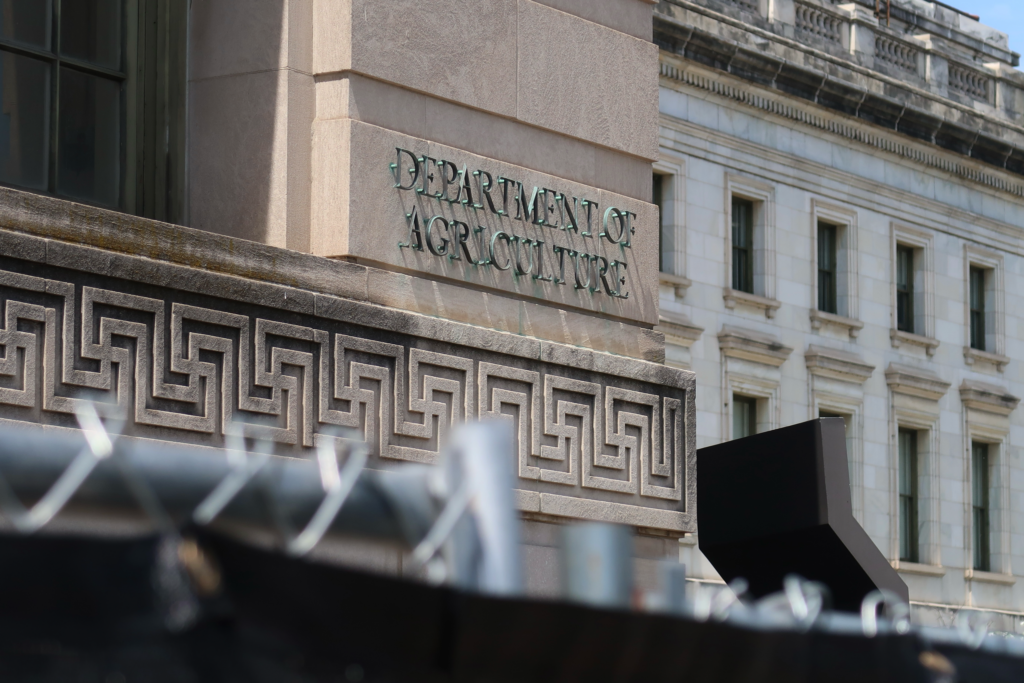
SYRACUSE, N.Y. — One night on March 23, nearly 50 nongovernmental organizations received letters of termination from the U.S. Department of Agriculture, accusing each one of misusing taxpayer money on programs the administration deemed discriminatory.
“This letter provides notice that the Farm Service Agency is terminating your federal award,” the first sentence read.
It was around 10 p.m. Executive directors like Jennie Stephens and Sharon Mallory opened their phones, read the first sentence and were stunned by the USDA’s accusations.
“I really thought it was a prank,” Mallory said.
The Increasing Land, Capital and Market Access program awarded roughly $300 million to nonprofit organizations helping historically underserved farmers purchase land, access capital and expand operations. In March, the USDA terminated the grants, saying the program misused taxpayer funds and improperly relied on diversity, equity and inclusion initiatives. Grant recipients dispute those allegations and have challenged the decision in court.
The awarded organizations served thousands of people who benefited from a federal program managed by the Farm Service Agency, an arm of the USDA, which supports American farmers and constituents living in rural areas to maintain or improve their ranches, farms and lands.
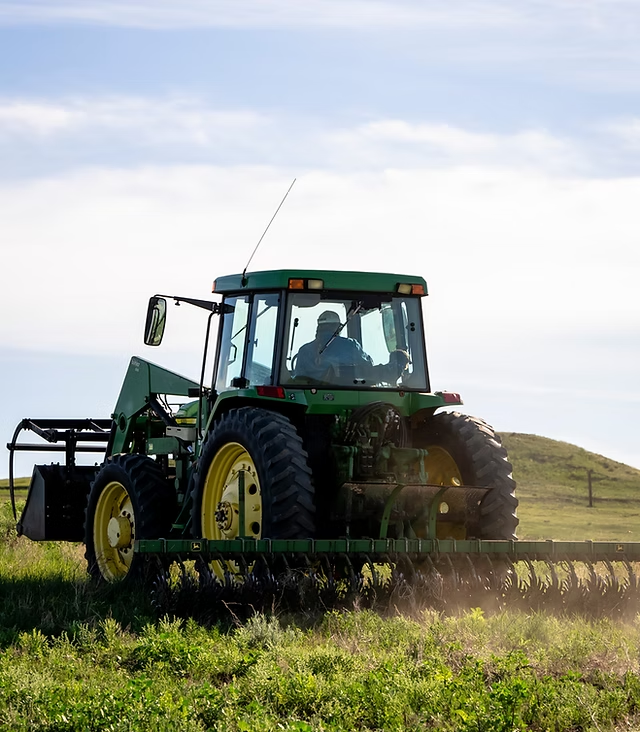
In response, the Biden administration decided to spend part of the agency budget to help underserved producers, and created the Increasing Land, Capital and Market Access program. Thousands of Black, Indigenous and other farmers of color started to benefit from money meant to buy farmland, improve farming operations, or give a hand to those dealing with family estate grounds.
Once President Donald Trump took office earlier last year, those priorities to fund underserved producers changed. The president ordered federal agencies to check programs prioritizing diversity, equity and inclusion (DEI), arguing they discriminate against certain ethnicities over other groups. After a yearlong legal battle and employees having limited communication with awarded organizations, letters of termination arrived to stop the program meant to increase land access and serve groups cataloged by the USDA as underserved farmers or ranchers across the country.
Stephens, Mallory and nearly 50 executive directors of those organizations read the termination letter signed by Steven J. Peterson, associate administrator of the Farm Service Agency. The four-page document terminated a $300 million federal program approved by Congress under the Biden administration. The grants supported producers in more than 40 states and Washington, D.C., Puerto Rico and the U.S. Virgin Islands. For thousands of minority farmers, ranchers and families, the letters meant losing their only path to own land or improve their small-scale operations.
UPROOTED AUDIO INVESTIGATION BY JAMES KELLY + JAI’LA DU ROUSSEAU
In South Carolina, Stephens runs the Center for Heirs’ Property Preservation, which counsels families struggling to access and probate the land of a deceased relative. The federal agency awarded Stephens’ nonprofit $8.5 million to fund its Black Belt Land Access program to expand those services and then help them grow trees and vegetables.
Angela Singleton, the youngest of 32 children, was raised on 12.2 acres of land in a historic Gullah Geechee settlement community in Charleston. She reached out to the center for something many families like hers struggle to find: a clear title to land that belongs to all of them. Attorneys walked her through the estate and specialists visited the property to assess its pine trees. The center’s funding was meant to provide legal and land management services to families like the Singletons in four states, but in early 2025, the Trump administration froze those funds, and in March sent the termination letters, claiming the programs amounted to a misuse of taxpayer money.
“They need those grants to help get the seeds, to plant, to grow on the farms. They need help with the machines to maintain the fields,” Singleton said. “I don’t think (USDA) understands the magnitude of them cutting or deferring or taking these grants away from people and how it’s affecting people.”
For Singleton, the stakes reach beyond her family to all the beneficiaries of the Increase Land Access program.
“It creates opportunities for generational wealth for them. Without these fundings, how could they continue to maintain their legacies?”
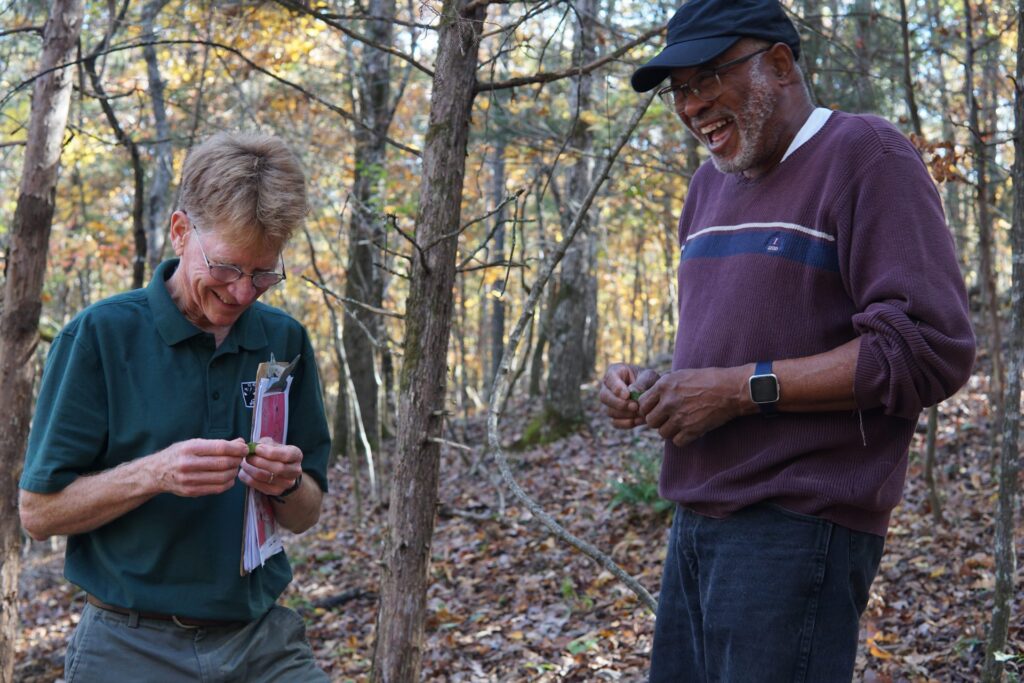
Stephens’ organization is not the only one supporting underserved groups in agriculture and land acquisition. Mallory, who leads Farmers Cooperative 2020, was awarded more than $13 million to fund land for members of the cooperative and help them with training certification or agricultural equipment to scale up their farm operations in seven states. But three weeks prior to receiving the termination letter, the cooperative’s leadership submitted a request to amend their five-year grant. They requested an update of certain details to align the project with the Trump administration, but mainly because last year’s late reimbursements and limited communication with USDA’s employees did not favor the continuation of land acquisition as intended.
Mallory said those awards were contracts, not handouts, DEI or misuse of funds.
“Contracts are agreements. Okay? Just let the contracts play out, put your desires into policy and move forward from there, but don’t go and snatch the rug out beneath those things that are already in place,” she said about the termination letter.
Once the Trump administration issued the funding freeze earlier last year, most of the program’s beneficiaries navigated late reimbursement and limited communication with the agency’s employees, which blocked them from providing training and purchasing the proposed farm lands. During that time, some interviewed sources mentioned they used their savings to carry out the approved plan and pay their partners.
USDA claims fraud, waste and abuse of funds
The termination letters from the USDA said awardees spent a significant amount for technical assistance, travel and other expenditures, which don’t benefit taxpayers. The agency argued the grant funds were used to discriminate based on DEI, benefiting a group of ethnicities over other constituents.
Peterson, who signed the letter, also mentioned the awarded organizations “did little to further lawful agricultural land purchases.” However, grantees, advocates and lawyers interviewed by the Newhouse Spotlight Team said the agency’s employees did not respond to emails and requests needed to proceed with real estate acquisitions, which delayed and stopped the five-year plan approved during the Biden administration. The agreements signed between both parties were reviewed by reporters and they show grantees cannot proceed with land acquisition without the approval of the assigned agency’s employees.

Agrarian Trust, an organization awarded a grant of nearly $13 million to buy farmland for Indigenous and immigrant communities in three states, said it was unable to acquire land during last year’s funding freeze and confirmed in April the organization could not close deals and contracts to buy the lands promised for these groups.
“Agrarian Trust and its partners maintain that the absence of completed land transfers under those conditions is not evidence of program failure, yet it reflects a federal system that actively prevented delivery,” said Nathan Galaviz, Agrarian’s spokesperson.
Brien Darby, executive director of Cultivate Kansas City, leads organizations that specialize in growing food in city neighborhoods. The 21-year-old nonprofit had used part of the nearly $2.5 million grant to hire a food system coordinator to help urban farmers navigate zoning and building codes that had long tied up farmland. The group also planned to purchase 20 acres to expand urban farming and connect farmers with land and funding opportunities.
Once the letter arrived, Darby noticed Cultivate Kansas City did not make the expenditures cited by USDA, and said the agency’s claims were too broad to pin to any one grantee. Other interviewed grantees denied making those purchases the USDA considered “fraud, waste and abuse” and used the funds to help farmers access agency resources or provide tools to increase producers’ operations across the country.
“It sounded harsh. Those weren’t our expenses, but I can’t imagine it feels good to have your expenses trotted out in front of everyone like that,” Darby said.
A USDA spokesperson in a statement to the Newhouse Spotlight Team cited a list of expenditures the agency described as an “egregious misuse” of taxpayer dollars:
- $20,000 for a barbecue smoker
- $20,000 allocated for massages for farmers
- $110,000 for a camper or RV
- $27,000 for drones
- $112,500 for refreshments
- $130,355 for office supplies, including $20,000 for pens
- $10,000 for a camera to livestream cooking videos
- Funding for gazebo construction
- Multimillion-dollar budgets with “vague justifications such as travel and supplies”
And to make the situation more concerning for the recipients of those letters, the USDA did not disclose specifically which organizations made those purchases.
The Newhouse Spotlight Team asked the USDA to identify which grantees made the expenditures it called an “egregious misuse” of taxpayer dollars. The agency did not provide that information by publication and did not make an official available to be interviewed.
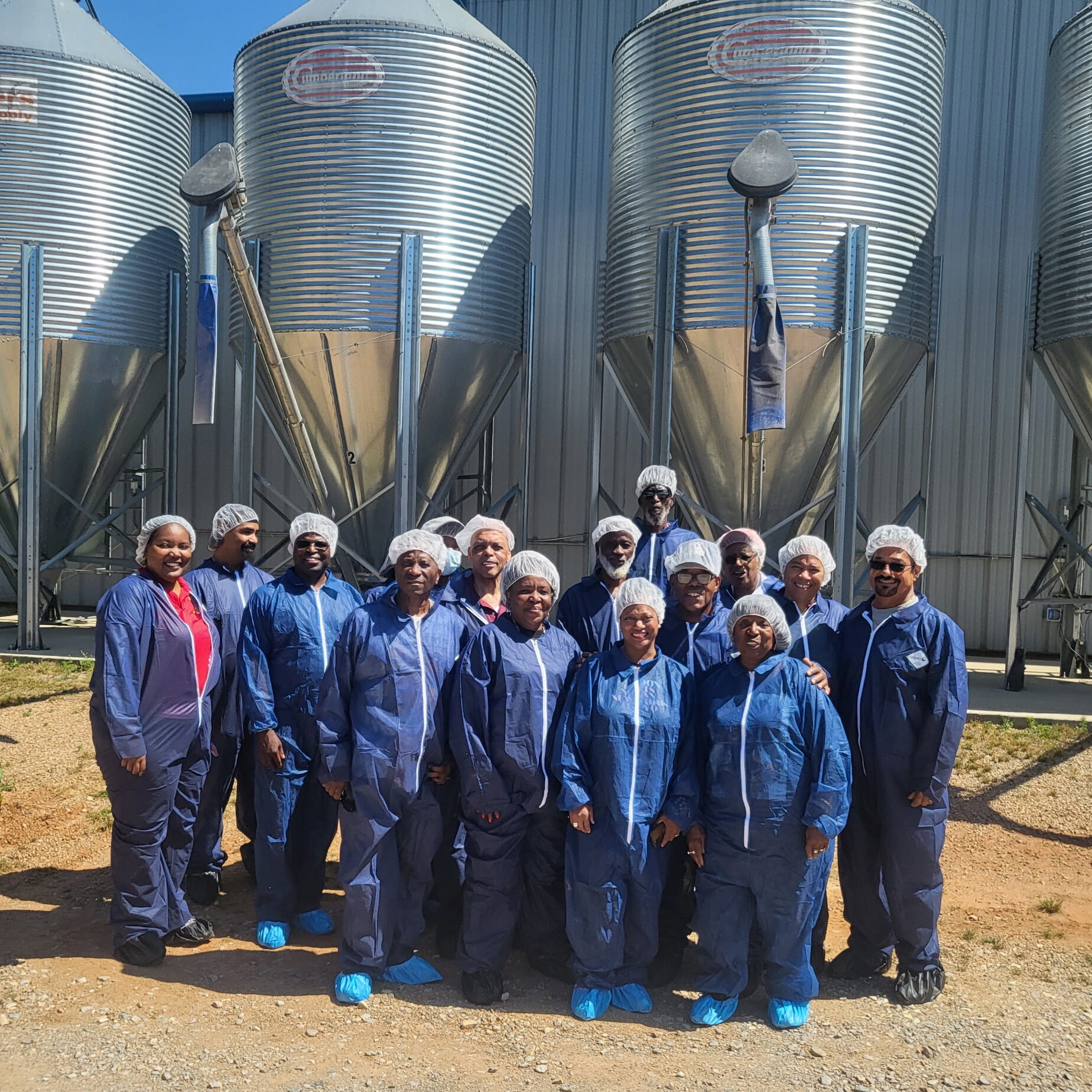
Grantees and legal advocates say the accusations are unsupported by evidence and included organizations that had already spent months, and in some cases years, working under both the Biden and Trump administrations.
“Over the last year, USDA has worked to clean up the mess left for us by the last administration. To no surprise, a peek behind the curtain of this Biden-era program revealed the egregious misuse of taxpayer dollars,” a USDA spokesperson responded to the investigative unit by email on April 1.
The agency said it had determined “the best use of resources” required full termination to realign the program with its statutory purpose and the department’s priorities.
Grant recipients stuck in legal limbo for more than a year
After the letter of termination, awarded organizations appealed the agency’s decision at the USDA’s National Appeals Division, and at least 24 grantees joined an ongoing lawsuit on May 26 that prevented the agency from terminating one grant. This lawsuit represents $127 million in funding assigned to those plaintiffs, the legal group says.
Jonathan Rosenthal, Agrarian Trust interim executive director, told Lives in the Balance, a national reporting project on immigration, he hopes the courts treat the awarded grant as what he believes it legally is: a government promise already made, money that Congress appropriated, that went through a competitive application process, was awarded and accepted and that organizations restructured their operations to fulfill it.
“The work is as great as ever, maybe even more given the current political climate,” Rosenthal said. “We will continue the work even if the federal government succeeds in canceling the rest of our grant, we will continue to do fundraising through private sources and it will slow down the timeline of being to purchase land. It will take time to raise that kind of money, millions of dollars, but that’s our commitment is to the groups that are doing the work on the ground.”
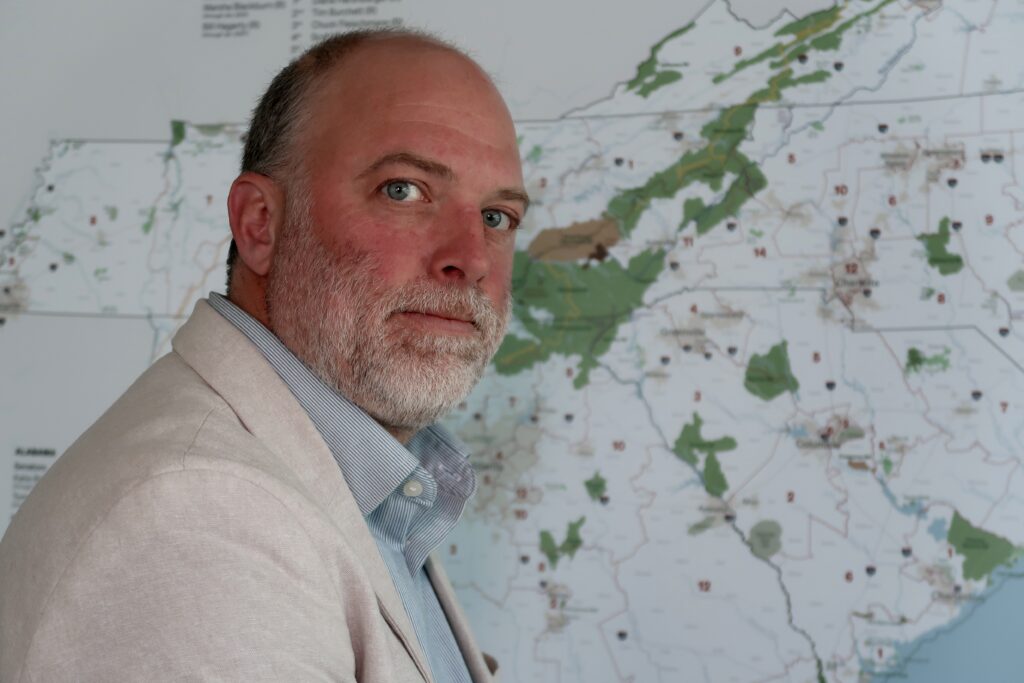
Ben Grillot, senior attorney at the Southern Environmental Law Center, represents two grantees and said terminating most of the awarded funds raises significant separation of powers issues between the executive branch and Congress.
“If the executive branch can eliminate an entire program directly contrary to – and for policy reasons that directly contradict – what Congress was trying to do by creating that program, that is a separation of powers violation,” Grillot said.
Earthjustice represents two grantees, including Agroecology Commons, the only organization protected under the ongoing litigation. Now, a total of 24 organizations have joined that lawsuit since receiving the termination letter on May 26. Carrie Apfel, deputy managing attorney for the Sustainable Food and Farming program at Earthjustice, said there is no clarity on who made the expenses and questioned the lack of evidence.
“I think it’s a huge setback for really advancing agriculture for new sectors of farmers and ranchers that haven’t been able to access it before,” Apfel said.