

AUDIO TRANSCRIPT- Mercury Wrap
Onondaga County detected mercury in every sample of sentiment taken from the bottom of the Lake Park Marina. The area was planned for expansion and renovation in the future. Charles Driscoll, a Syracuse environmental engineer,professor who studies mercury, believes there is a clear course of action. That’s hard to say. I would think a wise course of action. I’m not in charge, but I think I would do some additional measurements around the area that Marina to see how widespread it is. The earlier measurements suggest that isn’t a problem. Just to confirm this, the levels of mercury were unexpected, but Driscoll and experts say the levels do not present a direct threat to people. There will be no further testing in the area, according to the Department of Environmental Conservation. Ben Lefkowitz, NCC News.
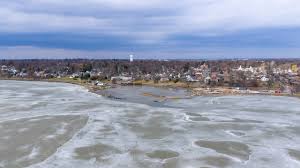
SYRACUSE, N.Y. (NCC News)– New testing at Onondaga Lake revealed unexpectedly high levels of mercury. The samples were taken from sediment at the bottom of the Onondaga Lake Park Marina, which has undergone continuous restoration for more than a decade.
Experts in the field said they were surprised and concerned by the findings. Charles Driscoll, a Syracuse University environmental engineering professor who has studied mercury contamination in the area and across North America, said he was concerned when he first learned about the discovery. Driscoll believes there are two possible explanations for the elevated mercury levels.
“If you have a marina that makes the mixing of the lake quiet around the marina, that can cause particles to be deposited, which may be a hot spot of mercury deposition from the historical industrial contamination,” Driscoll said.
“There are boats in the marina, and back in the day, back in the ’50s and ’60s, different metals were added to paints to try to reduce their wear and tear and their decomposition, including mercury, so it may be just from old paint.”
The rise in mercury levels has raised concerns among Onondaga County officials and environmental experts, including Driscoll. However, the longtime Syracuse University professor said he believes the issue is isolated and emphasized the importance of transparency with the public.
“I don’t think you want to scare the public, but I think we need to be transparent. It’s a fairly complicated situation,” Driscoll said. “My guess is that it’s a very isolated problem, but I think until additional measurements are made, we don’t really know for sure.”
Driscoll said he is confident the new findings will not affect the conversion of mercury into methylmercury, which enters the food chain through fish and poses the greatest risk to humans. He noted that mercury levels in fish have declined since restoration efforts began.
The county plans to dredge approximately 300 dump truck loads of sediment from the lake bottom and transport it to an approved landfill. Officials then plan to add a thick layer of sand and gravel to contain any remaining contaminated sediment.
The Onondaga Nation is urging the state Department of Environmental Conservation to delay approval of the new restoration plan until additional studies are conducted and a public hearing is held. Despite the request, the DEC said no further testing is planned in the area, and restoration work at the Onondaga Lake Park Marina is expected to continue as scheduled.