

VIDEO TRANSCRIPT: Rescue leaders describe growing strain as more animals need placement
Miguel Freire: At the end of 2025, the American Society for the Prevention of Cruelty to Animals reported a 147,000‑animal population increase in shelters nationwide. Animals are entering shelters faster than they are leaving them. I spoke with local rescues in Central New York to understand what that imbalance looks like right here. At Seventh Heaven Rescue, the calls come in everyday, but without enough volunteers most animals never make it here.
Liz Persons: Probably on a daily basis, we’re having to say we can’t help a few times a day.
Freire:Adoption coordinator Liz Persons says the rescue already has around seventy dogs in care… but only fifteen to twenty active fosters in Syracuse. And when there’s no one to take a dog in, the consequences can be devastating.
Persons: Their either left out on the streets or in the woods or wherever to fend for themselves.
Freire: Treasurer Steve Reiss says without fosters, they simply can’t move dogs out of dangerous situations.
Steve Reiss: Fosters is a big part of our rescue because without that, we can’t take a dog from a bad situation into a better situation.
Freire: Some fosters have recognized the decline in volunteers but the reward is what keeps them going
Jennifer Ricketts: And to see them you know be picked be the choice for a family and then go off into their forever home and know that they are going to be taken care of forever is just an amazing feeling.
Freire: And the strain isn’t limited to foster‑based rescues. At Paws Across Oswego County, Director Heather Axtell says they’ve lost ten volunteers in the last month.
Heather Axtell: We could fill up our kennels, but without enough help, are going to be able to care for them properly? Are we going to burn out our volunteers?
Freire: Axtell says the shortage means animals are being waitlisted and many must remain without care.
Persons: We’re all working to help these dogs and make sure they go into homes that are right for them and that their going to live the best life they possibly can.
Freire: Whether it’s dogs or cats, both rescues say more fosters means fewer animals left waiting. Local rescues say they’re continuing to adjust as more animals remain in care for longer periods of time. They tell us the need for space and support isn’t slowing down as they move into the summer months.
SYRACUSE, N.Y. (NCC News) — Animal rescue organizations across Central New York say they are facing a crisis that goes far beyond volunteer shortages. Every day, organizations are overwhelmed by calls from families forced to surrender pets, stray dogs found along roads, and owners who can no longer afford basic medical care.
But rescue leaders say these daily emergencies are symptoms of a much deeper problem.
Seventh Heaven Rescue Adoption Coordinator Liz Persons says the volume of calls is through the roof.
“The president gets phone calls, texts and a gazillion emails every single day,” Persons said. “People who need to surrender their dog. People who have found stray dogs and nobody else will take them in.”
The rescue currently has around 70 dogs in its care, according to Persons. She says there are only 15 to 20 foster families in the Syracuse area and there is no timetable as to when animals will make it off the waitlist.
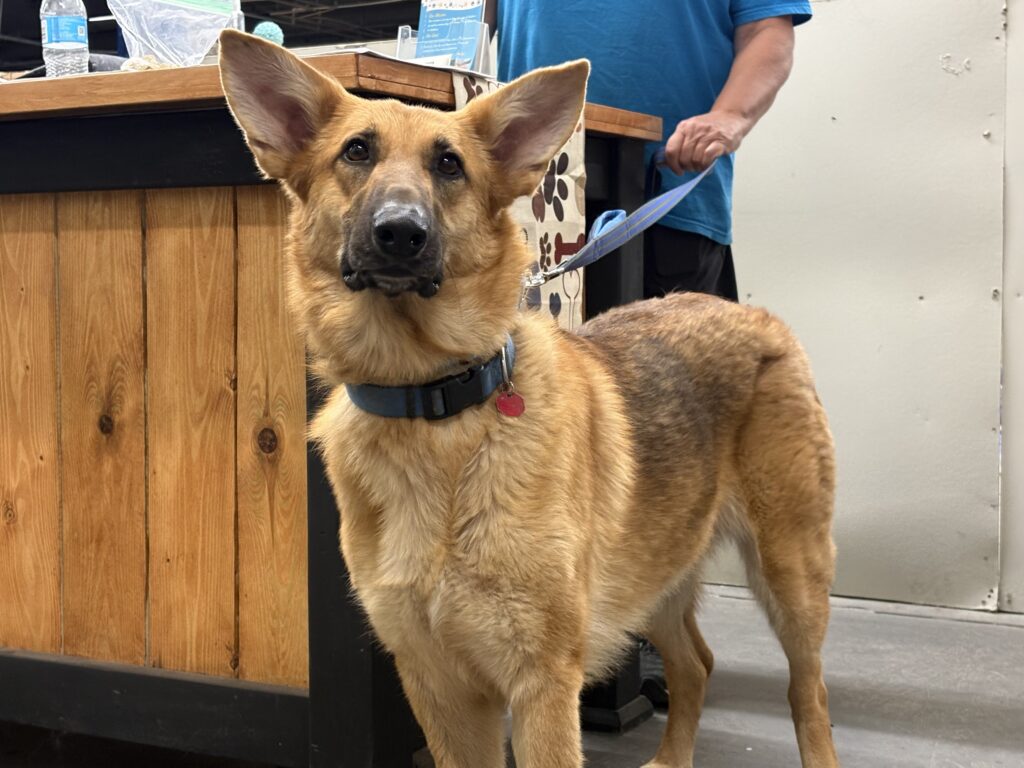
“They’re either left out on the streets or in the woods or wherever to fend for themselves,” Persons said. “Unfortunately, sometimes they get hit by cars or just passed because they don’t have the food they need. And unfortunately, sometimes dogs are euthanized, which is the saddest thing ever.”
The summer months are particularly difficult for rescue organizations as more animals seek homes due to unplanned litters.
“Then there’s unwanted litters, and then they want to dump them on shelters and rescues,” Persons said. “So the best solution obviously is to get your dogs spayed and neutered.”
Persons said that Spay and Neuter of Syracuse is wonderful, but the prices are not affordable to everyone.
People who foster animals can see the consequences firsthand. Kathy Vickers has been in her position since last January and she says many of the animals she takes in have never experienced stability.
“They’ve been on the run,” Vickers said.
Vickers adds that the number of dogs needing help exceeds the number of people available to offer support.
“You want to help them,” Vickers said. “But you can only take so many at a time. It’s very hard.”
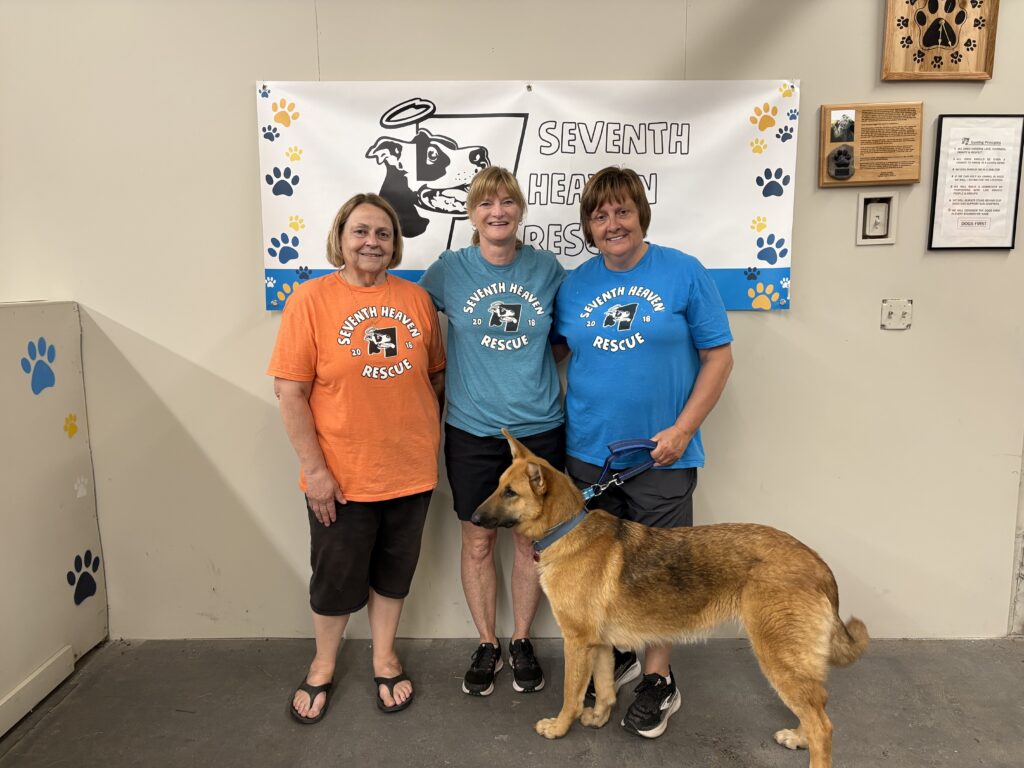
Housing instability is another factor that has played into this crisis. Seventh Heaven Rescue Treasurer Steve Reiss described a recent case where a family kept a dog against the landlord’s restrictions. After three weeks, despite eviction notices, they had nowhere else to take it.
“They came to a point where they really had to get the dog out,” Reiss said. “So we worked with them as long as we could. We found a longer-term foster, but in the situations where folks call them, it’s not a fit for our rescue because it’s not good with kids or it’s not good with other pets, dogs or cats. We have to say no.”
The strain extends beyond foster‑based rescues. Paws Across Oswego County Director Heather Axtell says shelters across the region are running out of space.
“A lot of the shelters are really suffering with space,” Axtell said. “We get calls from owners, other rescues and shelters. It happens every single day.”
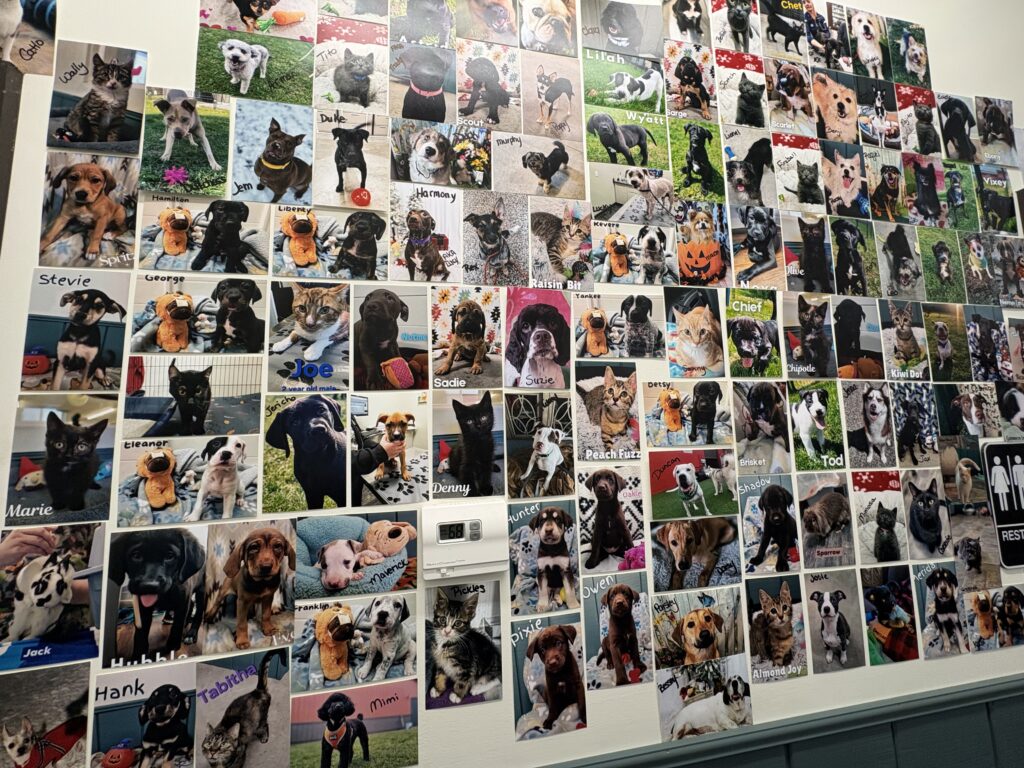
Persons says rescue organizations are doing everything they can, but they are treating symptoms not the cause.
“We’re just Band‑Aids,” Persons said. “I think there’s a deeper problem that needs to be addressed.”