

SYRACUSE, N.Y. (NCC News) — At a recent drop-in clinic hosted by Speed Skills Hockey at Tennity Ice Pavilion, players worked on their game while families learned about a growing effort to reduce one of hockey’s biggest expenses.
Ice hockey is widely considered one of the most expensive youth sports, and equipment costs can add up quickly. One local hockey parent has found a way to help make the game more affordable.
A little more than a year ago, Justin Leubner launched Fixin’ Twigs, a business dedicated to repairing broken hockey sticks at a fraction of the cost of replacing them.
“Let’s say roughly his last stick was about $329, so if that breaks, you’re out $329. If I repair it, it costs $75,” Leubner said.
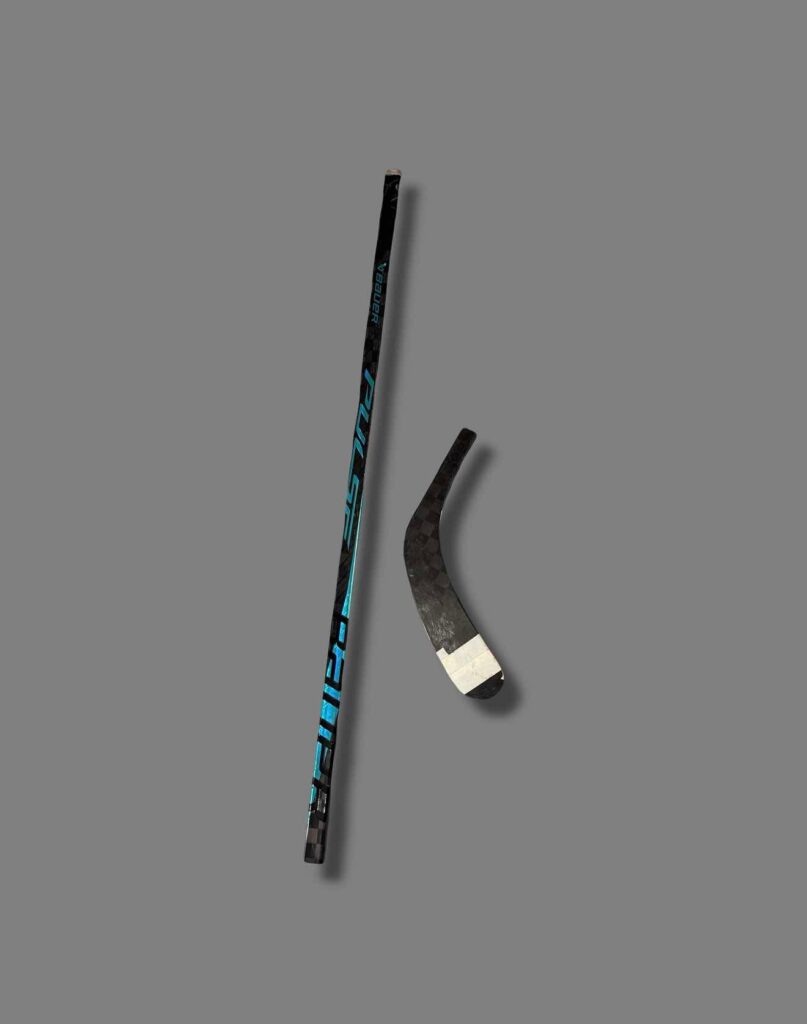
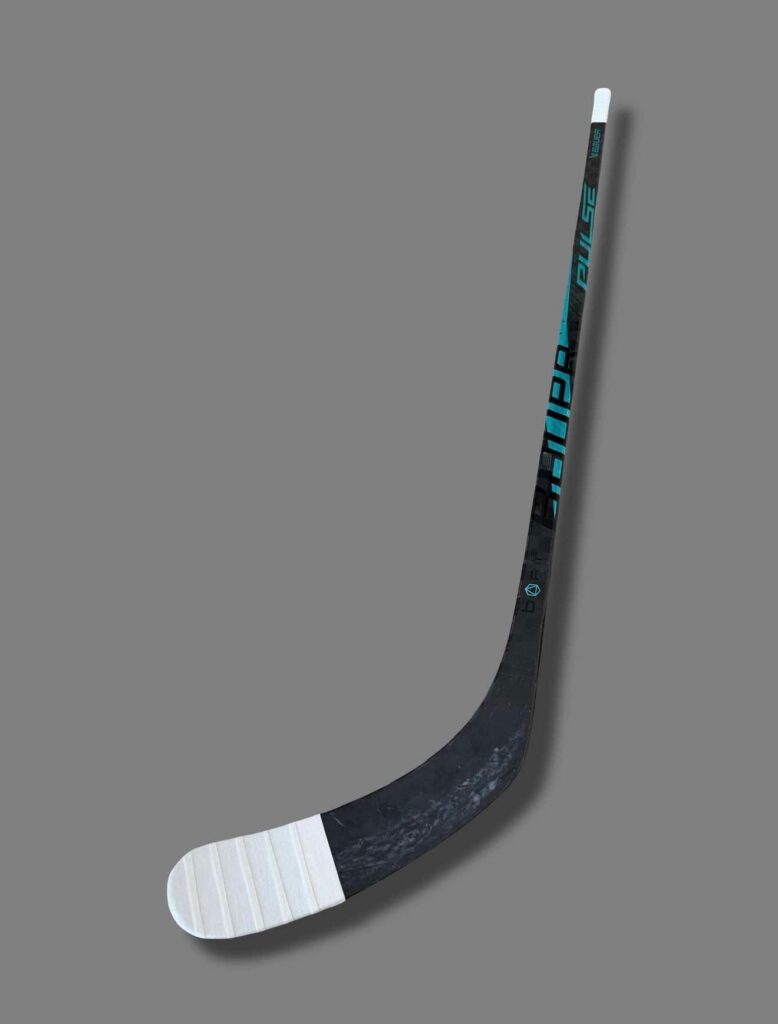
A snapped hockey stick doesn’t have to end up in the trash. Leubner repairs broken sticks and returns them to the ice in three days or less.
Since starting the business, Leubner said he has repaired about 100 sticks.
Coaches see the problem firsthand.
Broken hockey sticks have become a common occurrence at local rinks, according to Mike Radja, owner of Speed Skills Hockey. He said his facility sees six to eight broken sticks each week, and many young players only get one or two skates out of a new stick before it breaks.
“It’s unfortunate to see, considering what they’re spending,” Radja said. He explained that top-of-the-line sticks typically cost between $350 and $400, while mid-range models still run between $200 and $300, making frequent breakage frustrating for families.
Parents say the service provides a practical option for keeping costs under control.
“I think it’s a great option you know especially for the backup sticks, just fix a few and get them through practice,” said hockey mom Kellie Tyksinski.
Leubner said there is another benefit beyond the savings.
“A lot of kids get sentimental with their equipment. They get superstitious as well; they need their favorite twig out on the ice,” he said.
VIDEO TRANSCRIPT: New business brings hockey sticks from broken to game ready
Evan Harrington/Anchor: A local dad has found a way to make the game of hockey more affordable for everyone by simply fixing the broken. Youth sports are expensive, with ice hockey being the most expensive. Parents can pay up to $10,000 a year for their son or daughter to lace up the skates. I Met up with one parent at the Speed Skills Hockey Clinic, who has found a way to make the game more affordable for everyone.
Justin Leubner: I’d say roughly his last stick was about $329. So if that breaks, you’re out $329 if I repair it, a cautious $75. A little over a year ago,
Harrington: Justin created Fixing Twigs with the idea of taking broken hockey sticks and repairing them at a low cost.
Leubner: All right, so here we have a very fresh twig in the blink of an eye. That fresh twig can quickly turn into this. Two pieces that you don’t know what to do with. And in three days or less, you get this. The same stick. Full game. Ready.
Harrington: Justin says he has fixed around 100 sticks in the last year, and coaches know what players go through firsthand
Mike Radja: At the arena i’m in mostly, you know, six, seven, eight broken sticks a week from whatever group is there a kid will have a stick, one or two skates, and then it’s broken on them. And that’s that’s unfortunate to see for what they’re spending from, you know, the top of the line, anywhere from 350 to $400. If you go to middle of the road, you’re still spending 200 to $300 on the stick.
Harrington: But it’s the parents who appreciate it the most.
Kellie Tyksinski: I think it’s a great option, you know, especially for the back up sticks. Just fix a few, get them through practice.
Leubner: And a lot of kids get sentimental with their equipment. They get superstitious as well. They need that. Their favorite twig out on the ice.
Harrington: It sticks like these that Justin Huebner has saved families around the central New York area hundreds of dollars simply by fixing twigs.