

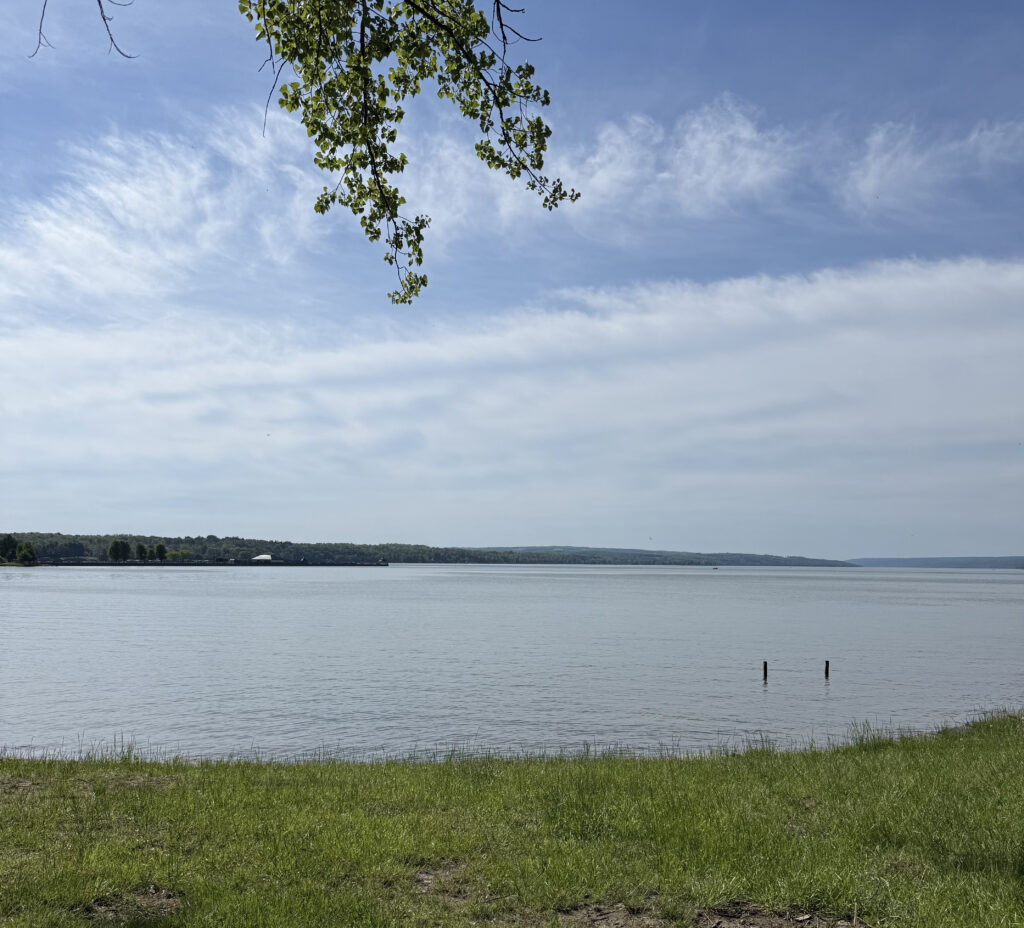
ONONDAGA LAKE, N.Y. (NCC News) – As summer temperatures continue rising across Central New York, local fishermen said harmful algal blooms are becoming a growing concern for lakes that are heavily used during the fishing season.
The state has recently launched the New York Harmful Algal Bloom reporting system is now being used to track bloom activity across New York, giving residents and environmental officials a closer look at changing water conditions as warmer weather returns.
For many fishermen, the concern goes beyond water quality warnings posted near shorelines. They worry blooms could disrupt fish habitats, reduce fish activity in certain areas and affect how often people use local waterways during the summer.
Jay Curtas, a fisherman from Marcellus, said warmer temperatures and bacteria growth can create serious problems for aquatic life over time.
VIDEO TRANSCRIPT: Fishermen concerned as NY state system tracks harmful algal blooms in Central New York
Adam Crooks: The algal bloom reporting system in full effect. There may be a certain group of people who may be dealing with the effects of the system. NCC News Luciano Calvosa shares who’s facing the consequences of the blooms.
Luciano Calvosa: Yeah Adam, with the new harmful bloom reporting system now here in place at here at Onondaga Lake and across different lakes in Central New York, many of the lakes could be free of the dangerous algal bloom species. However, people using the lakes could still be affected by the blooms themselves.
For local fishermen, changing summer conditions in central New York lakes can quickly become a concern when harmful algal blooms begin appearing in the water.
Now state environmental officials are using the new NYHABS reporting system to track bloom activity across New York and encourage residents to report possible outbreaks before conditions worsen later in the summer. Those outbreaks can affect fishermen and how much fish they can catch this summer. Jay Curtas, a Marcellus fisherman, says the changing water conditions can harm the fish in the long run.
Jay Curtas: It does affect things because of the temperature, the bacteria. It kills them. It kills them.It has an effect. You’re swimming in it or getting sick.
Calvosa: Other fishermen who fish at Onondaga County Lake also share their concerns on the blooms hurting the life in time for the summer. Fisherman Dennis Johnson said, “I haven’t caught a thing in a while since the weather got nicer out. The blooms are hurting the water life.” Other fisherman Justin Anderson shared, “the reporting system can only do so much. We have to be mindful of what is in these lakes.” NCC News reached out to Frank Moses and Allie Berry for additional comment on how harmful algal blooms may affect local waterways and fishing conditions, but neither were available to speak at this time.
The blooms are being prevented by the reporting system overall, but however, they might catch up to the water life sooner than expected.
From Onondaga Lake, Luciano Calvosa, NCC News.
“It does affect things because of the temperature, the bacteria,” Curtas said. “It kills them. It kills them. It has an effect. You’re swimming in it or getting sick.”
Harmful algal blooms, commonly referred to as HABs, form when cyanobacteria rapidly grow in warm, nutrient-rich water. Environmental officials said blooms become more common during periods of extended heat, stagnant water and increased sunlight during the summer months.
The blooms can sometimes appear as green paint-like streaks or floating scum near shorelines and can produce toxins harmful to both humans and animals. State health officials advise residents to avoid contact with suspicious water and keep pets away from affected areas.
Several fishermen around Onondaga Lake also expressed concerns about how another active bloom season could impact fishing conditions throughout the region. Some anglers said they have already noticed changes in where fish are gathering as temperatures continue climbing.
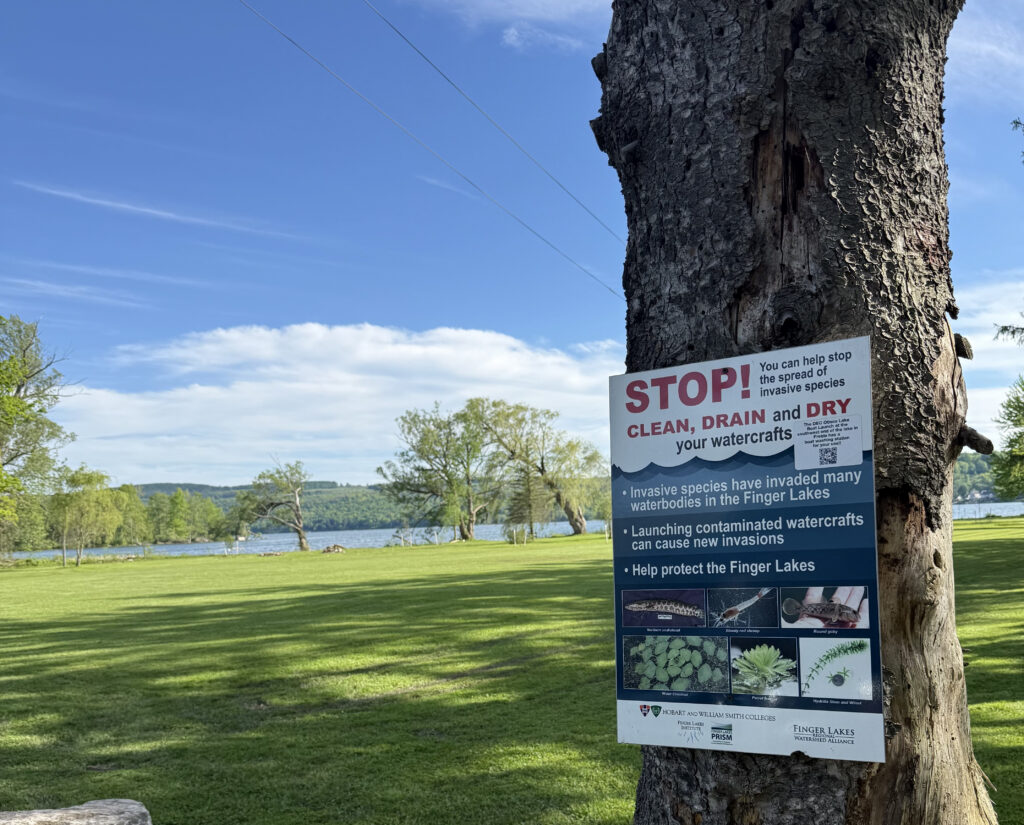
Dennis Johnson said fishing has become more difficult since warmer weather arrived in Central New York.
“I haven’t caught a thing in a while since the weather got nicer out,” Johnson said. “The blooms are hurting the water life.”
Another fisherman, Justin Anderson, said while the NYHABS system helps improve awareness, protecting local lakes will still require long-term environmental responsibility from surrounding communities.
“We have to be mindful of what is in these lakes,” Anderson said.
The New York State Department of Environmental Conservation said reports submitted through the NYHABS system are helping officials monitor conditions in real time as bloom season begins developing across the state. Environmental officials continue encouraging residents to report suspicious water conditions early to help track blooms before they spread further during peak summer months.
For fishermen across Central New York, the concern is not only about this year’s season, but also the long-term health of lakes that support recreation, tourism and aquatic life throughout the region.