

VIDEO TRANSCRIPT
Sarah Schafer: People of all ages come together to donate at the Shine Student Center at Syracuse University. Some for the first time, others as regulars. Their reasons may differ, but the goal is the same.
Katherine Saufley(Donor): I come and give blood on a regular basis because if someone I love ends up in the hospital with an accident or anything like that, I would want to be sure that they had blood.
Nick Llarena Parmley (Student Donor): I thought it’d be a good idea and I get blood drawn all the time, so I don’t think it would be too difficult to do.
Susan Coots (Donor): When I’m here donating they say, you’re eligible to give on June 2nd, do you want to schedule an appointment? I say, sure.
Sarah Schafer: That motivation is critical because the need for blood is constant. Only three out of every hundred people donate blood, but about every two seconds someone needs blood. According to the American Red Cross, 20% of the blood supply comes from student donations.
Amy Bobbete (American Red Cross): So far this school year at SU we’ve collected 635 units of blood, which is amazing. And we have had over 200 first-time donors at SU this year, so really important for the blood supply.
Sarah Schafer: Most healthy adults can donate blood. However, you must be at least 17 years old and weigh at least 110 pounds. To drink plenty of water before donating, eat a full meal and avoid intense activity afterward can help make the process safe and smooth. Abrum’s blood is O-negative. This blood type is especially in demand because it’s the universal blood type used in emergencies when there’s no time for testing and it’s often needed for newborns.
Abrum Wilson (Student Donor): They call me a hero for babies and I get a little notification in my app. It’s my way of doing community service, giving back to people and I really just enjoy doing it.
Sarah Schafer: After donating blood, the volunteers receive a gift. Today it was a limited edition Life is Good shirt. Through these various partnerships, the Red Cross tries to encourage people to donate blood who they wouldn’t reach otherwise.
Sarah Schafer, NCC News.
SYRACUSE, N.Y. (NCC News)—Students and community members at Syracuse University are rolling up their sleeves for a common cause: saving lives. Blood donation remains one of the simplest ways to help others—yet only a small percentage of people in the United States actually donate. According to the American Red Cross, only about three out of every 100 eligible people give blood, while someone in the U.S. needs blood every two seconds. This constant demand makes maintaining a stable blood supply an ongoing challenge.
Each donation can have a significant impact. One unit of donated blood can help save up to three lives. Events like the public blood drive on the Syracuse campus aim to support that need. So far this school year, hundreds of units of blood have been collected, including donations from many first-time donors. Organizers say these contributions are essential for hospitals, where blood is used daily for surgeries, cancer treatments, trauma care, and chronic illnesses.

Not everyone is eligible to donate. In general, donors must be at least 17 years old—though 16-year-olds can donate with parental consent in some states. They must also meet minimum weight requirements, be in good general health, and pass a basic screening. These guidelines help ensure the safety of both donors and recipients.
Preparation also plays an important role. Experts recommend drinking plenty of water and eating a full meal before donating. Afterward, donors should rest, avoid intense physical activity, and continue hydrating to prevent dizziness and support recovery.
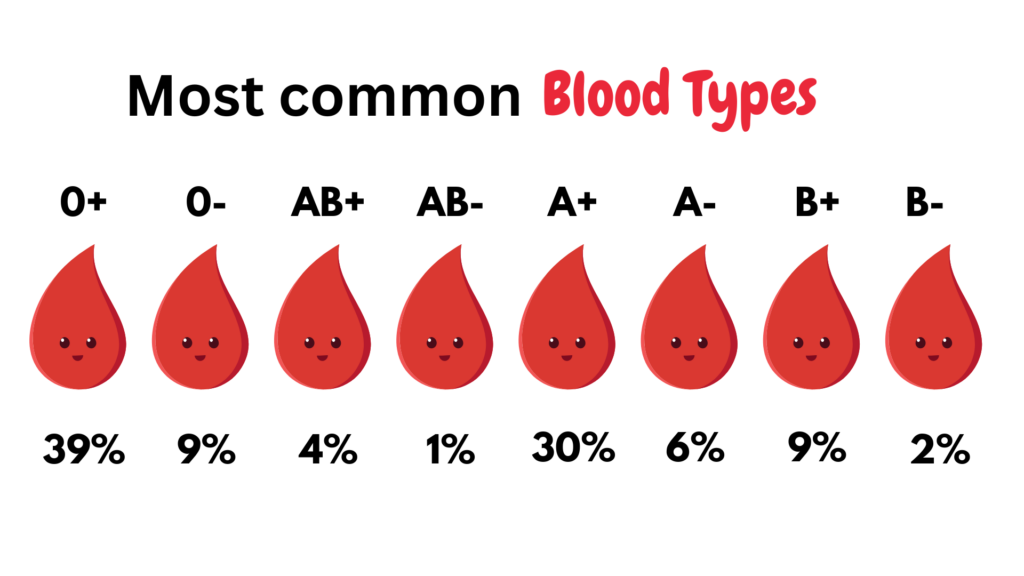
Certain blood types are especially critical. Type O negative blood, known as the universal donor type, can be used in emergencies when there is no time to determine a patient’s blood type. It is also frequently needed for newborns, making it one of the most in-demand types.
Whether first-time or regular donors—each contribution plays a vital role in saving lives.