
Allergy Season Arrives Early in Central New York due to Snow Mold
Braun: Charlie Raibman has been dealing with allergies for years, but lately, something feels different.
Charlie Raibman: “I noticed them kind of getting bad before I would consider it to be typical spring.”
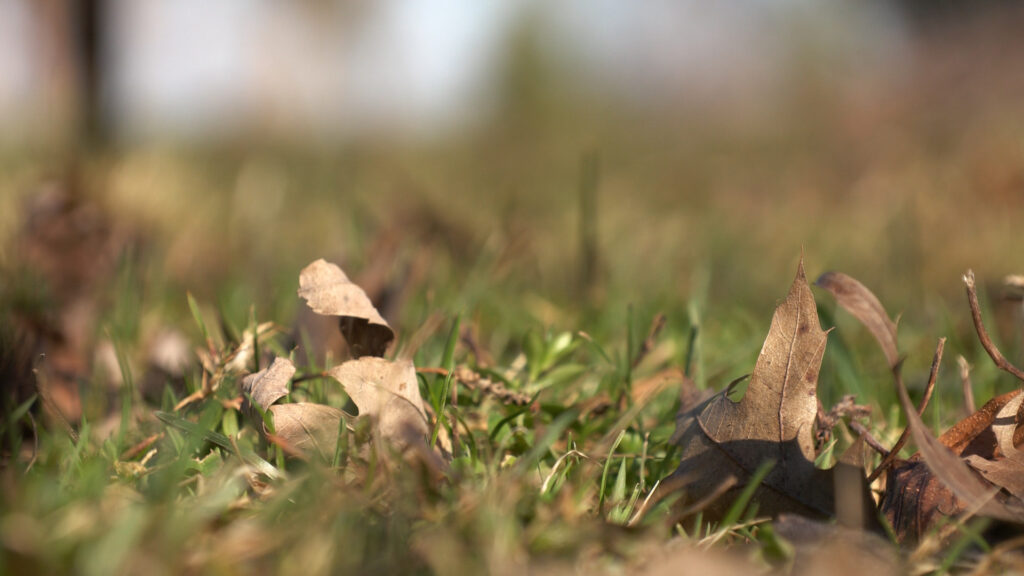
Braun: And the allergen behind it? Snow mold. Snow mold has been feeding and living on these matted blades of grass all winter. As the snow melts and temperatures pass the 50 degree mark, the spores are released into the air and they spread fast: being carried by rain and wind.
Hannah Jaffee: “Given that allergy seasons are starting earlier and ending later, it can be kind of hard to predict when these seasons start, but that being said, give the medicine time to build up the response in your body.”
Braun: The treatment for those who are allergic is the same as for other environmental allergies: but Central New York residents have been stocking up on antihistamines and eye drops all winter long.
Raibman:”I wake up in the morning and feel groggy and it’s like ten minutes before class starts and I don’t want to get up and take an allergy med, but if I don’t I’ll be pretty miserable.”
Braun: And once the snow melts, brace for impact, because tree pollen season follows close behind. Reporting in Syracuse for NCC News, I’m Sophia Braun.
SYRACUSE, N.Y. (NCC NEWS)–Central New Yorkers are experiencing allergy symptoms weeks ahead of schedule, driven by snow mold, a fungus that releases spores into the air as winter temperatures begin to rise, according to the American Academy of Allergy, Asthma and Immunology.
Syracuse resident Charlie Raibman said his symptoms started earlier than expected this year.
“I noticed them kind of getting bad before I would consider it to be typical spring,” Raibman said.
Snow mold feeds on grass beneath the snow pack all winter. As temperatures climb past 50 degrees, it releases spores carried by wind and rain, well before most seasonal plants begin to bloom.
Allergy specialists warn that the overlap with cold and flu season makes it difficult for residents to identify what they are dealing with. Allergist Hannah Jaffee said starting medication early is key.
“Given that allergy seasons are starting earlier and ending later, it can be kind of hard to predict when these seasons start, but that being said, give the medicine time to build up the response in your body,” Jaffee said.
The treatment for snow mold allergies is the same as for other environmental allergies. Central New York residents have been stocking up on antihistamines and eye drops, many unsure whether their symptoms will clear before summer.
Raibman said the impact is felt every morning.
“I wake up in the morning and feel groggy and it’s like ten minutes before class starts and I don’t want to get up and take an allergy med, but if I don’t I’ll be pretty miserable,” he said.
Tree pollen season follows snow mold, leaving allergy sufferers with little relief in the coming weeks.