

VIDEO TRANSCRIPT: As data centers promise return of industry to CNY, towns mull potential effects
Wayne Weiss: “1987, I started planting.”
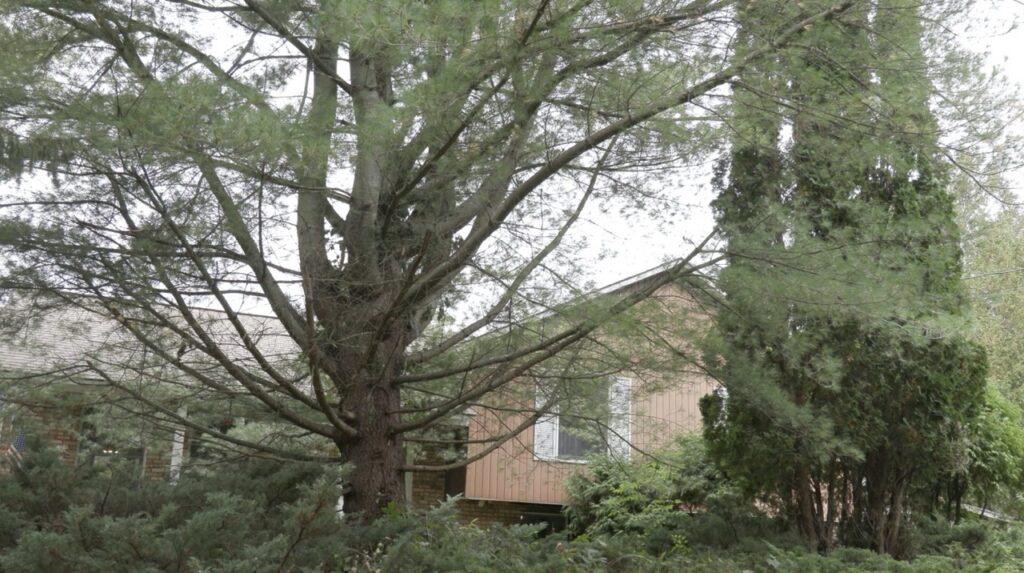
Jackson Breslin: The trees outside Lysander resident Wayne Weiss’ house are strong.
Weiss: “That’s when I moved out here.”
Breslin: Their roots were put in the ground when he was a younger man.
Weiss: “I’m out here all the time.”
Breslin: He lives here with his partner, Jill.
Weiss: “Actually, I met Jill 44 years ago.”
Breslin: Who, in her later years, requires 24/7 care. Weiss doesn’t get out much to chat with his neighbors anymore, but there’s a potential new neighbor that now weighs heavily on his mind: a 300-megawatt data center, just a half mile from his house.
Weiss: “As far as the people, the quality of life will just be destroyed.”
Breslin: Weiss has heard stories of people who live next to data centers. He says he worries about the noise, the light, and the heat they produce.
Weiss: “They use tremendous amounts of power, it’s beyond my actual feel for it.”
Breslin: But most of all, he worries about what his life would look like if that new neighbor does move in. He’s 84 now; this is the house he’ll live the rest of his life in.
Weiss: “You know, I was hoping I’d be out in the back working and just croak right here, you know? And then you could burn my ashes and throw ’em. I don’t want to leave here. I can’t actually leave here anyway.”
Breslin: Across the country, data centers are being built on large chunks of land in rural areas. This 124-acre plot in Lysander has access to resources data centers need, but it also neighbors Three Rivers Wildlife Management Area, home to a diverse habitat for more than a hundred animal species.
Thomas Amidon: “Where we put them has not been thought out very well. I mean, if you look at proposals from across the country, they’re sprinkled like someone took a salt shaker, and I go, ‘What’s the logic?’”
Breslin: Thomas Amidon is a member of the Sierra Club, the largest grassroots environmental organization in the country. The group says it’s worried about the impact data centers can have on the surrounding area.
Amidon: “Just because you can do something doesn’t automatically mean it’s a good thing to do.”
Breslin: It’s not just environmentalists that have concerns. Citizens for Lysander, a citizen-led activist group, has been outspoken against a proposal in town. Member Johanna Bock says a town like Lysander isn’t ready to handle a data center of this size.
Johanna Bock: “People are already struggling. I hear that all the time. We’re concerned the electric bills are gonna go up, gas bills are gonna go up. We’re concerned about the sound and the health impacts that we don’t even know about yet because it hasn’t been studied yet.”
Breslin: Bock looks back in time, back when Central New York was a burgeoning industrial hub. She says things moved too fast then, and when the indsutry left, all CNY had to show for it were empty buildings and one of the most polluted lakes in the country.
Bock: “We don’t want to make the same mistakes. Like, if this truly is the new industrialization of our time, we don’t want to make the same mistakes from 100 years ago and then trash our environment and generations later be left holding the bag for that cost.”
Breslin: The Town of Lysander agrees with her. A six-month moratorium on data center proposals was made in May, and another one was approved in November. Town Councilor Ed Schmitt says the town needs to be careful.
Ed Schmitt: “If we don’t do this correctly, we could easily bankrupt the town, no doubt about it.”
Breslin: Schmitt is in his first year as town councilor. When he ran, data centers weren’t even an issue on his mind. Now, he finds himself in a difficult situation.
Schmitt: “You can’t just do a ban without a reason.”
Breslin: But for Weiss and Bock…
Weiss: “This is so impactful for the community that it should be voted on by the people.”
Bock: “It’s not a representative democracy when 70% of the people don’t want it.”
Breslin: Their frustration comes from the limitations the town has.
Bock: “Like, the land almost has more rights than the people that actually live here, which is very frustrating.”
Breslin: Schmitt says it’s not as black and white.
Schmitt: “It’s a slippery slope, right? If this goes to referendum, where do you draw the line?”
Breslin: As the new moratorium takes effect, Weiss finds himself in a sort of limbo, unsure of what the future holds.
Weiss: “We’re going down to the wire with it. I have to stay here till I die.”
Breslin: So, he’ll keep waking up before the sun rises and have his breakfast by the kitchen window, watching the birds and squirrels that call this place home, too, waiting to see what a new neighbor may bring. Jackson Breslin, NCC News.
LYSANDER, N.Y. (NCC News) — The trees outside Lysander resident Wayne Weiss’ house are strong — their roots put in the ground when he was a younger man.
“1987 I started planting; that’s when I moved out here,” said Weiss.
He lives with his partner Jill, who, in her later years, requires 24/7 care. Weiss doesn’t get out much to chat with his neighbors anymore – but there’s a potential new neighbor that now weighs heavily on his mind – a 300 megawatt data center – just a half mile from his house.
“As far as the people, the quality of life will just be destroyed,” said Weiss.
Weiss has heard stories of people who live next to data centers. He said he worries about the noise, the light and the heat they produce.
“They use tremendous amounts of power, it’s beyond my actual, feel for it,” said Weiss.
But most of all – he’s worried about what his life would look like if that new neighbor does move in. He’s 84 now – this is the house he’ll live the rest of his life in.
“You know, I was hoping I’d be out in the back working and just croak right here, you know?” said Weiss. “And then you could burn my ashes and throw ’em – I don’t want to leave here, I can’t leave actually leave here anyway.”
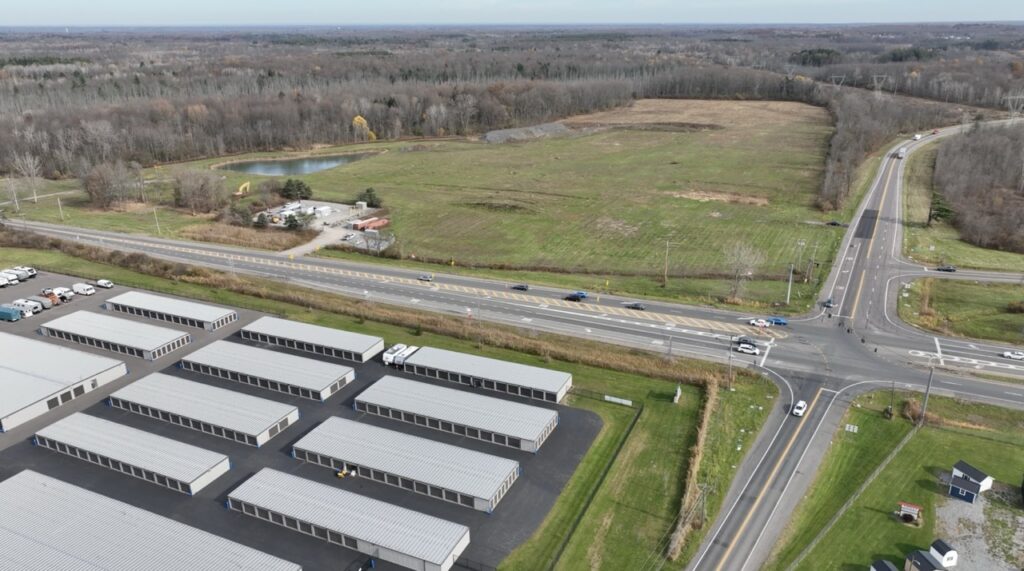
Across the country – data centers are being built on large chunks of land in rural areas. A 124-acre plot of land in Lysander has access to resources data centers need – but it also neighbors Three Rivers Wildlife Management Area – home to a diverse habitat for more than a hundred animal species.
“Where we put them has not been thought out very well, I mean if you look at proposals from across the country, they’re sprinkled like someone took a salt shaker and I go ‘what’s the logic?’” said Thomas Amidon, a member of the Sierra Club – the largest grassroots environmental organization in the country.
The group says it’s worried about the impact data centers can have on the surrounding area.
“Just because you can do something doesn’t automatically mean it’s a good thing to do,” said Amidon.
It’s not just environmentalists that have concerns – Citizens for Lysander, a citizen-led activist group, has been outspoken against a proposal in town. Member Johanna Bock said a town like Lysander isn’t ready to handle a data center of this size.
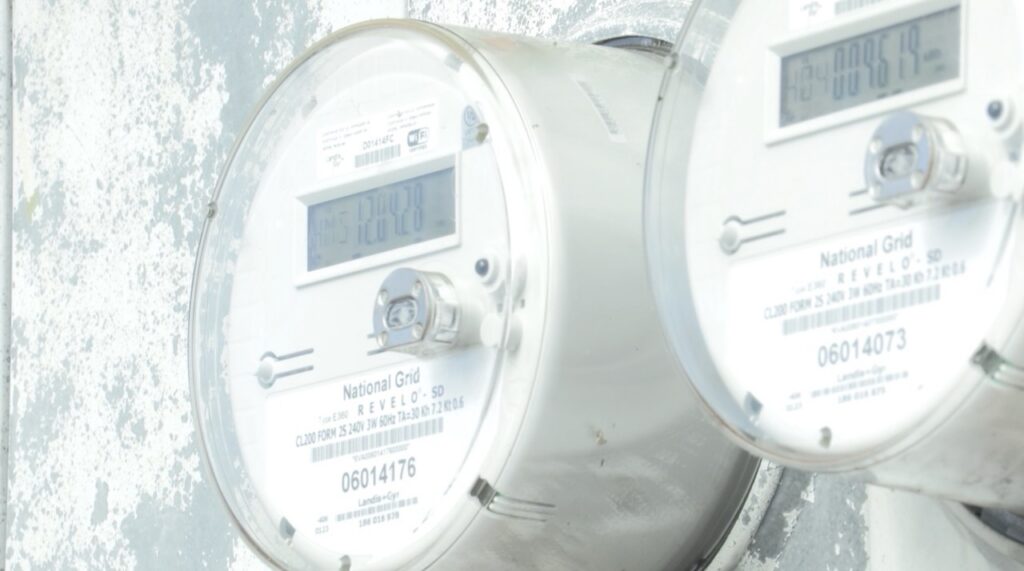
“People are already struggling – I hear that all the time,” said Bock. “We’re concerned the electric bills are gonna go up, gas bills are gonna go up, we’re concerned about the sound and the health impacts that we don’t even know about yet because it hasn’t been studied yet.”
Bock looked back in time – back when Central New York was a burgeoning industrial hub. She said things moved too fast then – leaving the region in financial and environmental ruin. She said she’s worried about history repeating itself.
“We don’t want to make the same mistakes, like if this truly is the new industrialization of our time, we don’t want to make the same mistakes from 100 years ago and then trash our environment and generations later be left holding the bag for that cost,” said Bock.
The Town of Lysander agrees with her – a six-month moratorium on data center proposals was made in May – and another one was approved in November. Town Councilor Ed Schmitt said the town needs to be careful.
“If we don’t do this correctly, we could easily bankrupt the town, no doubt about it,” said Schmitt.
Schmitt is in his first year as town councilor – when he ran – data centers weren’t an issue on his mind. Now – he finds himself in a difficult situation.
“You can’t just do a ban without a reason – the communities that just did an outright ban have not fared well,” said Schmitt. “As a matter of fact, we haven’t found one where the ban was upheld when the reasoning was we just don’t like it.”
But for Weiss and Bock, their frustration comes from the limitations the town has.
“This is so impactful for the community that it should be voted on by the people,” said Weiss.
But Schmitt said it’s not as black and white.
“It’s a slippery slope, right? If this goes to referendum, where do you draw the line?” said Schmitt.
As the new moratorium takes effect, Weiss finds himself in a sort of limbo – unsure of what the future holds.
So, he’ll keep waking up before the sun rises and have his breakfast by the kitchen window – watching the birds and squirrels that call this place home, too. Waiting to see what a new neighbor may bring.
“We’re going down to the wire with it, I have to stay here till I die.”