

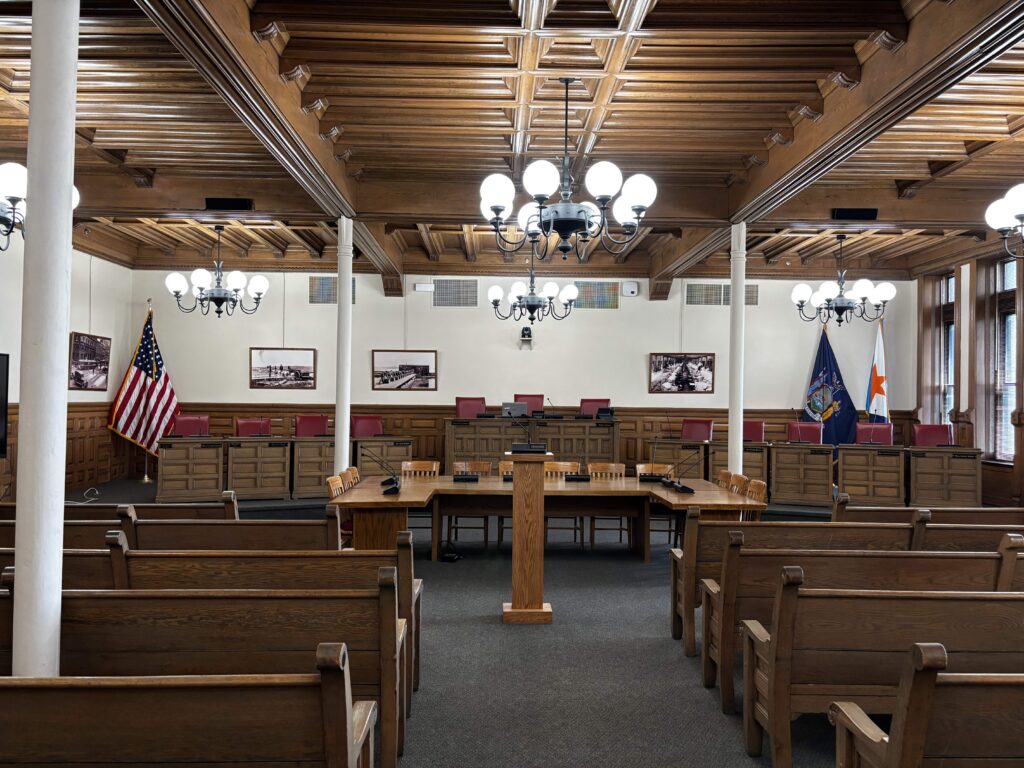
SYRACUSE, N.Y. (NCC News) — Syracuse Common Council members voted Wednesday to renew the city’s hotel and motel occupancy tax, extending a revenue source that officials say helps support city services without increasing property taxes on residents. The council approved the renewal by a unanimous vote during a special meeting at City Hall.
The occupancy tax adds an additional charge to hotel and motel stays within Syracuse city limits. City leaders have argued that the tax allows visitors who use city services to help contribute to municipal operations while helping the city address ongoing budget challenges.
“We look for a variety of ways to augment our revenue sources,” said Syracuse Common Councilor Corey Williams. “And this is one of the ways we can do so.”
The tax was originally approved in November 2024, after city offices warned of growing budget pressures and explored alternative revenue sources. According to Syracuse.com, supporters at the time described the measure as a way to help close budget gaps without increasing property taxes.
VIDEO TRANSCRIPT: Syracuse renews hotel and motel tax until the end of 2029 in an effort to help close the city budget gap
Hunter Caparelli, NCC News Reporter: Visitors checking into Syracuse hotels may not realize part of their bill helps fund the city government.
Corey Williams, Syracuse Common Council Member: We look for a variety of ways to augment our revenue sources, and this is one of the ways we can do so.
Caparelli: The Syracuse Common Council just renewed the hotel and motel occupancy tax until the end of 2029 during a special meeting today at City Hall. The tax was first approved 18 months ago as a temporary measure. But Common Council members such as Corey Williams say the occupancy tax has become an important source of revenue as Syracuse works to close ongoing budget gaps.
Williams: It ends up being about $800,000 per year. And if we’re able to add short-term rentals to that, we’re hoping to it can be up towards a million.
Caparelli: The renewal wasn’t without criticism. One Syracuse hotel manager told me the tax sends the wrong message to visitors and worries it could make the city less attractive to travelers over time.
Anonymous Syracuse hotel manager: You can raise taxes on other things, why affect outsiders coming into your city… I’m absolutely against it on a personal level.
Caparelli: Robert Ward, manager of the Comfort Inn & Suites in Liverpool, says occupancy taxes place more pressure on hotels, and pointed to a legal case from last March which involved owners not paying the occupancy tax.
Robert Ward, Comfort Inn & Suites hotel manager: Tramz Hotels, she (Owner) didn’t pay $500,000 and she’s going to jail… you’re going to kill the market.
Since taking effect in 2024, the tax has generated approximately $800,000, according to Williams. The revenue helped offset portions of the city’s projected budget gap, which was estimated at $24 million during the 2026-2027 fiscal year, according to WRVO Public Media.
Even though those funds have been used to support the city’s general fund, some hotel managers have called for greater transparency regarding how the revenue is allocated.
Mitchell Kinney, hotel manager at the Collegian Hotel & Suites near the Syracuse University campus, did not oppose the concept of the tax, but said he believes city leaders should ensure the revenue generated is used to support the tourism and hospitality industries that help produce it.
“I would like to see the funding invested in initiatives that strengthen tourism, support the hospitality industry, and attract larger conventions, sporting events, and city-wide gatherings,” said Kinney. “Continued investment in these areas can help drive long-term economic growth and increase visitation to the city year after year.”
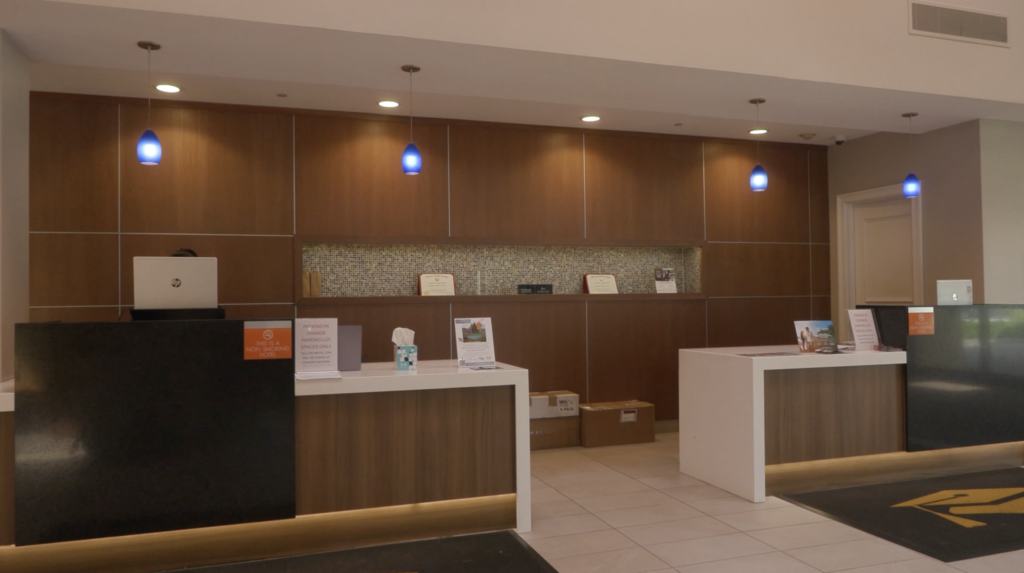
Williams said Wednesday’s vote reflects the city’s continuing need for additional revenue streams.
“If we’re able to get additional hotel units done, which we desperately need, then we expect an increase in revenue,” Williams said. “If we become a more desirable location to come visit, then we’ll have more people here on vacation and additional revenue there. So, I hope to see that number grow in the future.”
Supporters of the measure like Kinney also pointed out that hotel occupancy taxes are common in cities across New York and throughout the country, and Syracuse was one of the few cities that previously didn’t have the tax.
“My initial reaction was that the tax had the potential to provide meaningful financial support for important city initiatives,” said Kinney, “If managed effectively, those funds could contribute to improvements in public infrastructure, public safety, and overall revitalization efforts throughout the city.”
The renewal didn’t come without criticism from local hotel managers. One Syracuse hotel manager, who wanted to remain anonymous because of guidelines set by hotel ownership of speaking on-the-record with the media, said the tax sends the wrong message to visitors, and worries it could make the city less attractive to travelers over time.
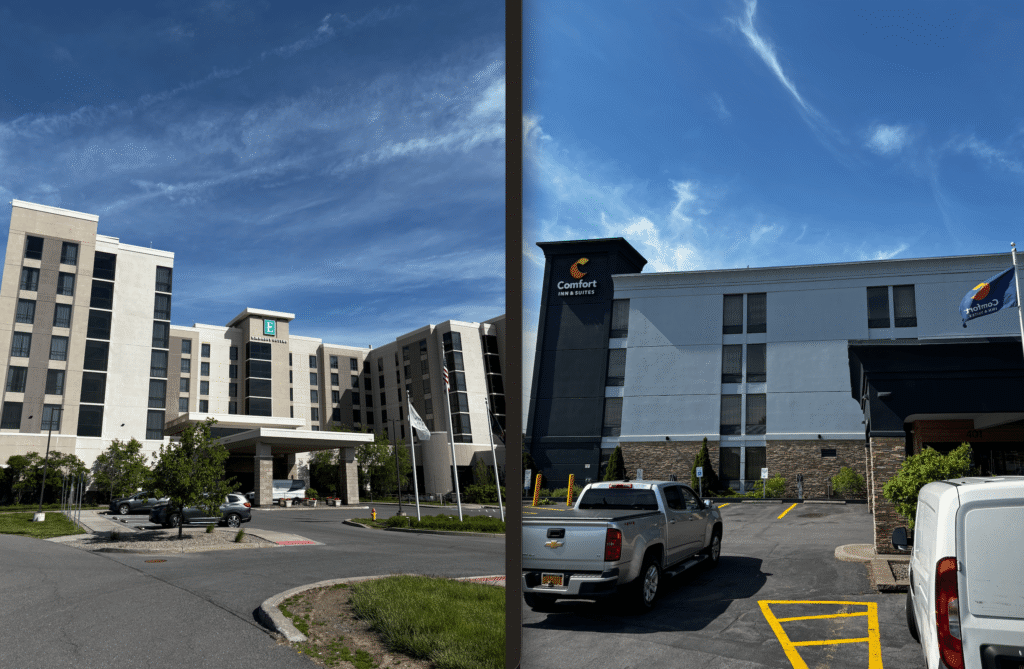
“You can raise taxes on other things. Why affect outsiders coming into your city?” the anonymous hotel manager said. “I’m absolutely against it on a personal level.”
The renewal also comes as Syracuse prepares for expected economic growth tied to major development projects, including Micron’s planned investment in Central New York. According to Syracuse.com and Spectrum News Syracuse, local tourism and hospitality leaders say increased business travel and convention activity could lead to more hotel stays in the coming years, potentially generating additional revenue through the occupancy tax.
Wednesday’s vote extends the tax through December 31, 2029. City officials say they expect the revenue to remain part of the city’s broader financial strategy as Syracuse continues to balance budgets and prepare for future growth.
For residents, the impact may not be immediately visible. But for visitors booking hotel rooms in Syracuse, the tax will continue appearing on their bills, and city leaders say those dollars support services used by residents and visitors alike.