

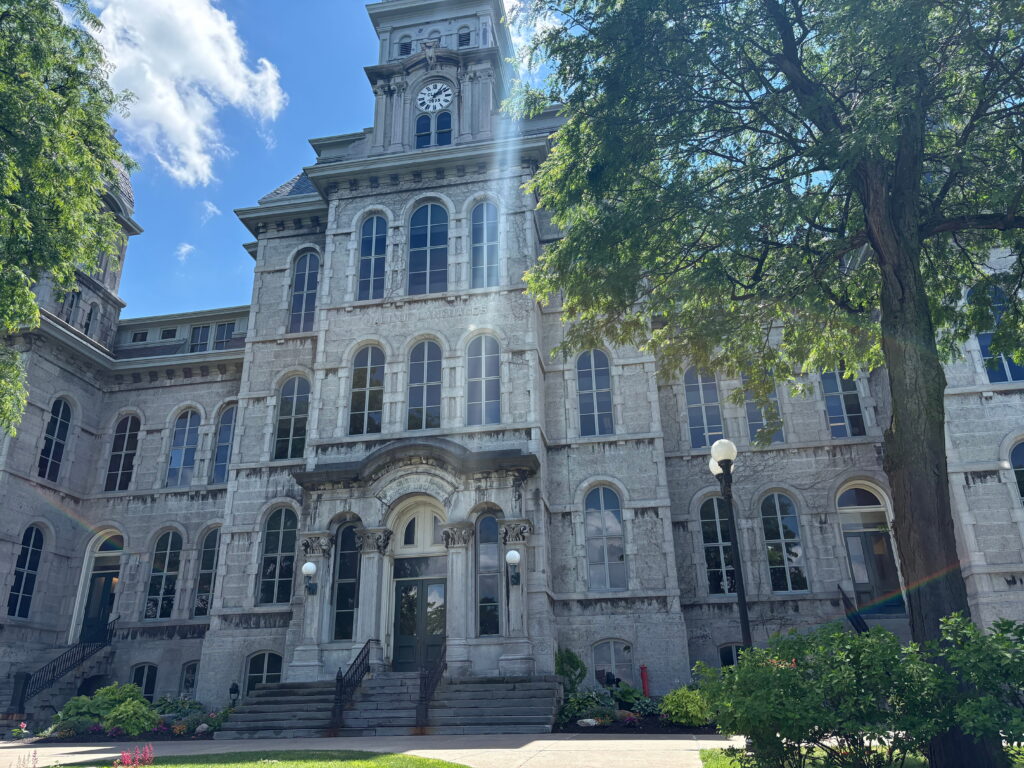
SYRACUSE, N.Y. (NCC News) — Syracuse University is facing its first budget deficit in years after falling short of its undergraduate enrollment target for fall 2026, a development that one higher education expert says may require the university to reduce its size in the years ahead.
Jeff Selingo, a New York Times bestselling author who included Syracuse University among 75 “dream schools” in his 2025 book, said the university faces the same demographic pressures affecting colleges across the country.
“Syracuse is an anomaly in higher education — this large private university in upstate New York with 15,000 undergraduates,” Selingo said. “Given the demographics now and the regionality of Syracuse, I think they’re going to have to get smaller.”
The enrollment shortfall was disclosed by Chancellor Mike Haynie in a June 11 message to faculty and staff. Haynie cited a shrinking population of college-age students, increased competition among universities and a decline in international applications tied to visa challenges and federal policy changes.
“This is a moment for urgency and purpose — not panic,” Haynie wrote.
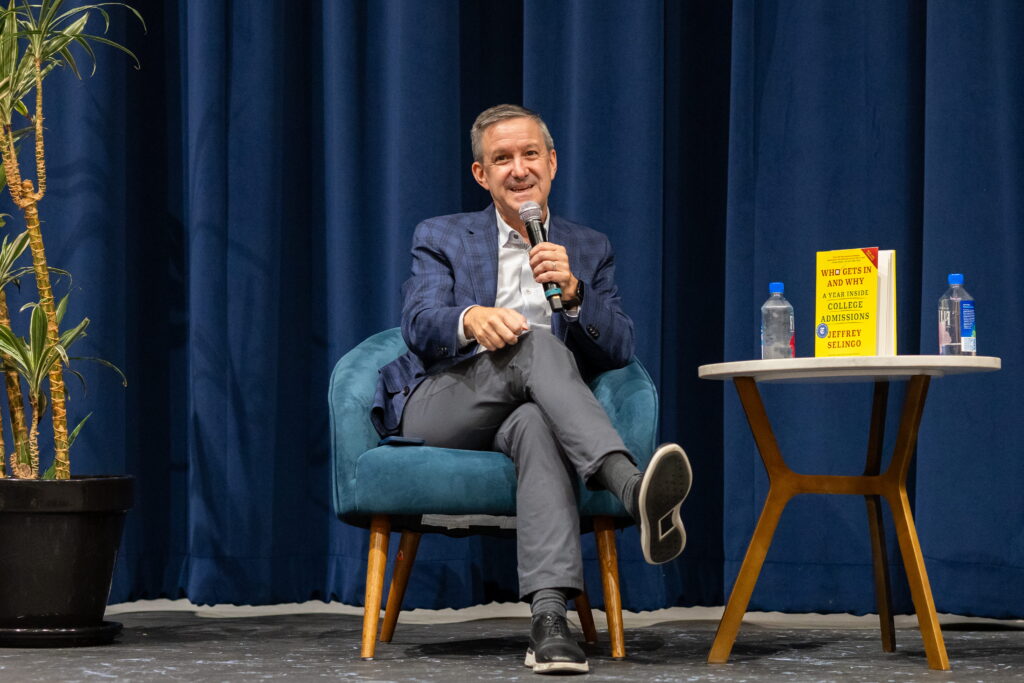
Selingo said many colleges and universities continue to operate under assumptions of long-term growth despite changing demographic realities.
“Most colleges and universities have been in a growth mentality for so long,” Selingo said. “I just think that’s not sustainable for most colleges and universities right now.”
Rather than trying to grow enrollment, Selingo said Syracuse should develop a long-term plan that aligns its size with future demand.
“I think they’re going to have to come up with a plan over the next couple of years to slowly shrink enrollment and slowly shrink infrastructure, whether that’s physical buildings or faculty and staff,” he said.
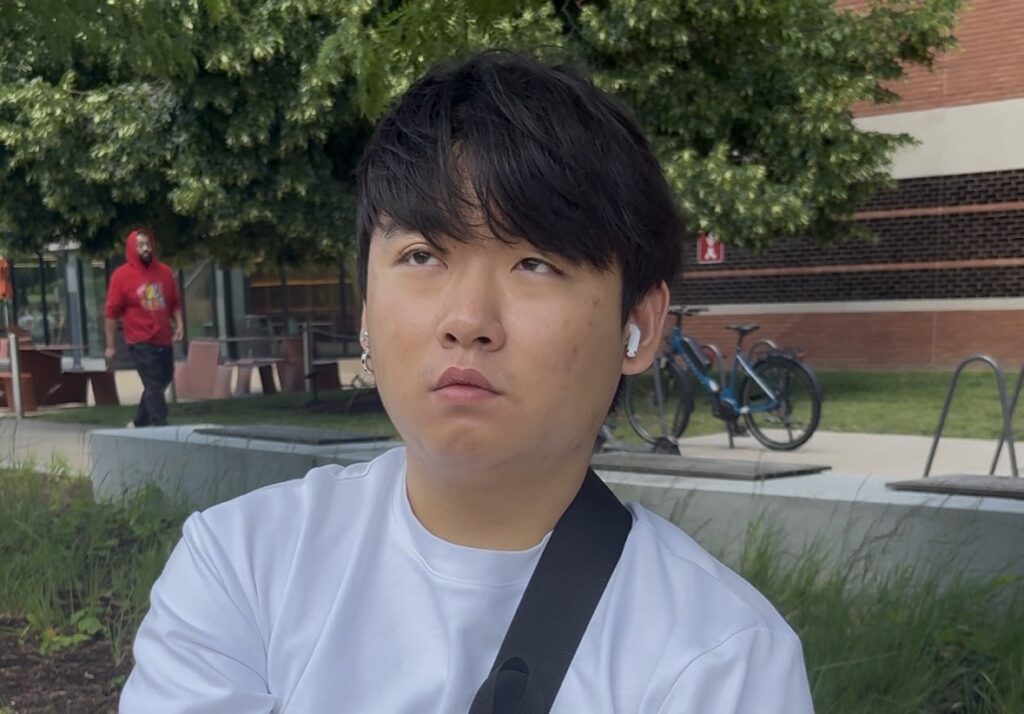
Some students say the university’s financial challenges have raised concerns about potential tuition increases.
Aidan Jeong, a senior in the College of Arts and Sciences, said he worries students could ultimately bear some of the cost of the enrollment shortfall.
“I think they’re increasing the tuition, and I think the reason for increasing would be something like the student [enrollment] is lower,” Jeong said. “I’m still worried about tuition, since there’s an enrollment deficit.”

Some faculty members argue the university is confronting challenges that extend beyond campus leadership.
Jason Pollack, an assistant professor of electrical engineering and computer science, said the decline in international applications has compounded a demographic trend colleges have anticipated for years.
“There are many fewer international students applying to schools in the United States,” Pollack said. “To hedge against declining domestic enrollment, the strategy would be to attract more international students, and unfortunately that isn’t possible because of the political situation right now.”
Pollack said the decline in the traditional college-age population was foreseeable, but the sharp drop in international applications was not something Syracuse could control.
“It doesn’t feel to me like the primary people responsible are internal to Syracuse,” Pollack said. “It feels more like external factors.”
Whether international enrollment will rebound remains uncertain, Selingo said.
“Among the very top brands, I think it will come back,” he said. “For other universities, that’s a real TBD.”
Despite the enrollment concerns, Selingo said prospective students and families should not view Syracuse differently than they did a year ago.
“If it was a good fit for you a year ago, it’s still there,” he said. “The fundamentals of the university and how it operates are still strong.”
NCC News requested an interview with Haynie. The university declined.