

Ghost kitchen confusion: One restaurant powers many menus
When you order something from “restaurants” like MrBeast Burger on DoorDash, you will likely picture a real MrBeast storefront behind it.
But here in Syracuse, your food might actually be cooked inside Ruby Tuesday or other chain restaurants, a detail many customers do not realize.
Ghost Kitchens
Ghost kitchens, also known as virtual kitchens, are cooking spaces that make food solely for delivery apps like DoorDash and Uber Eats, according to CloudKitchens. ,
Instead of having their own storefront, staff, and dine-in restaurant, these brands operate behind the scenes inside another restaurants’ kitchen.
For Ruby Tuesday, that means cooking for multiple brands at once. Restaurants like Pasta Americana and Pardon My Cheesesteak all come out of the same kitchen, even though they appear as separate entities on delivery apps.
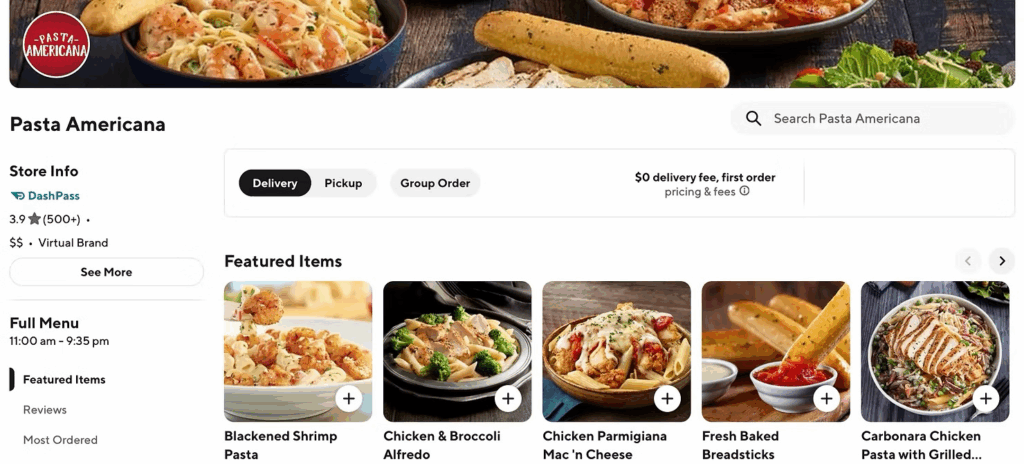
Assistant general manager of Ruby Tuesday, Colin Farmer, says the setup gives customers more choices without the restaurant having to reinvent its entire menu.
And while some of the older pandemic-era brands are being phased out, Farmer says, others remain because “it helped keep businesses afloat during COVID.”
How they started
The idea of ordering food without ever stepping inside a restaurant is not new.
Food historians often point to 1889 in Italy when King Umberto and Queen Margherita had pizza delivered to their palace, according to Cuboh.
But ghost kitchens as we know them today did not gain popularity until the rise of online ordering in the late 1990s.
Today, we have DoorDash, but back in 1995, people were using World Wide Waiter, the first ever online food delivery service to get food delivered to their doors.
The rise of the internet came with more and more restaurants launching their own websites and online delivery options.
Once smartphones and delivery apps took the world by storm, the industry changed. New companies like Uber Eats and DoorDash removed the need for restaurants to invest in actual storefronts. All they really needed was a kitchen.
Misleading or not
As more customers rely on delivery apps in Syracuse, a city often described as a “food desert,” these virtual brands create the illusion of more options by appearing as separate eateries on delivery apps.
Farmer says that while diners do not tend to realize their order is being made inside a chain restaurant, he believes that the system is not misleading.
Instead, he says that this system is positive because, “we’re appealing to both demographics…especially in the era now, we have people who rather order out, pick it up and go home and eat it, instead of sitting down and eating.”
Some diners may not mind where their food is coming from, but others expect full transparency when ordering online.
Farmer acknowledges that many people may not realize their delivery is being prepared by a chain restaurant, but explains that Ruby Tuesday is not hiding anything.
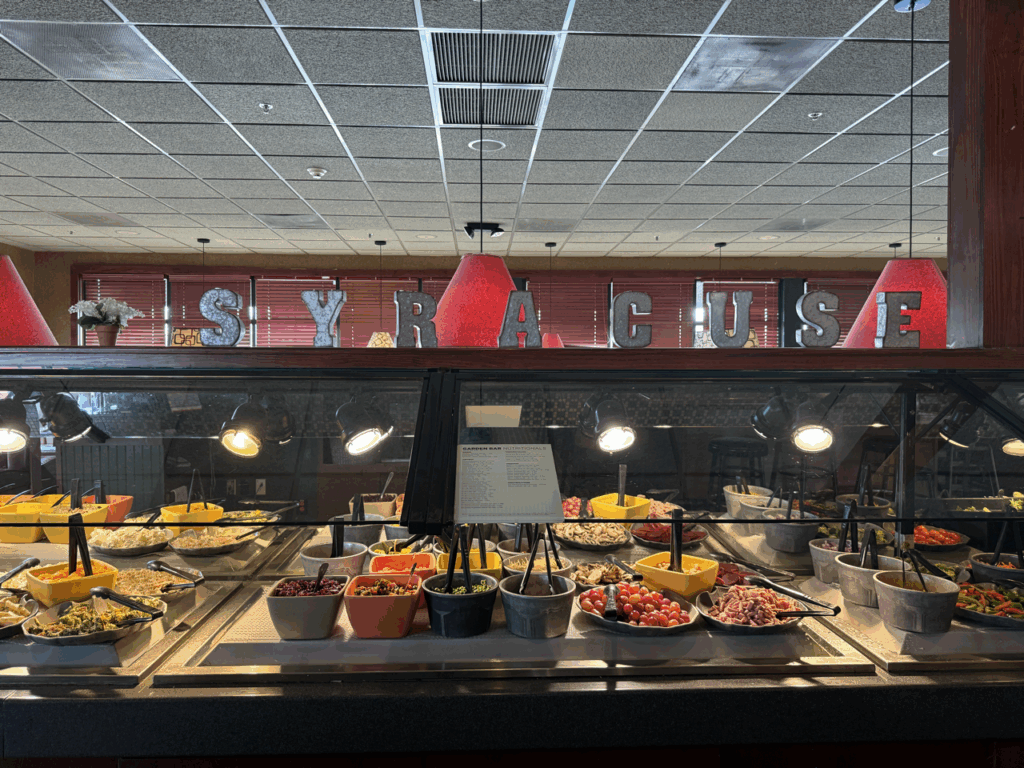
“I don’t think it’s deceptive. There are plenty of restaurants doing this all over America. So it’s not like we’re hiding or not trying to disclose anything. We’re a third party. We’re selling their food. They make their money. We make our money,” says Farmer.
Farmer may point out that restaurants across the country are adopting these third-party delivery brands, but many customers are not catching on.
According to a 2021 national survey by QSR Magazine, the awareness of ghost kitchens is low. Only 4.5% of respondents have heard of “virtual brands,” and just 22% were familiar with the term “ghost kitchen,” even though these models expanded during the pandemic.
The rise of delivery apps has made getting food easier than ever, but it has also made the path from kitchen to consumer a sticky situation. One that raises new questions about clarity, trust, and what people should expect when they place an order.
Whether ghost kitchens are viewed as helpful or misleading comes down to one thing… the customers. How much do they really care about the story behind the food they order?