
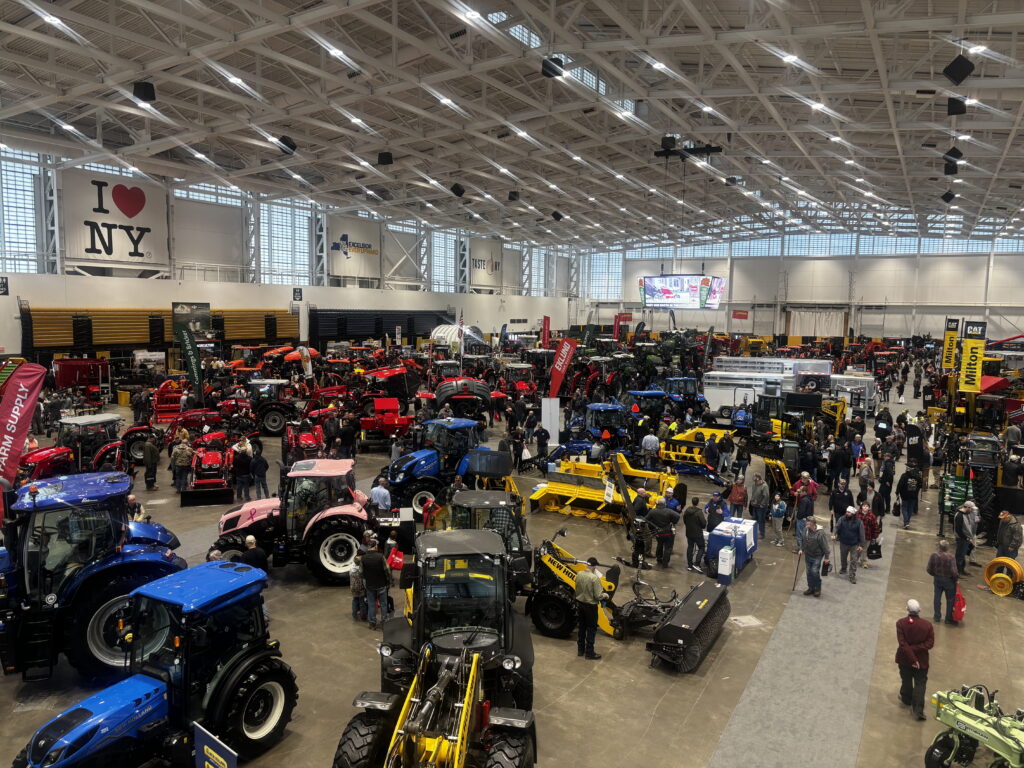
SYRACUSE, N.Y. (NCC News) — The 2026 New York Farm Show, which wraps up today at the State Fairgrounds, is the culmination of four decades of agricultural innovation. The show is celebrating its 40th year anniversary.
More than 400 exhibitors are showcasing their products and services at the Northeast’s largest indoor farm equipment show.
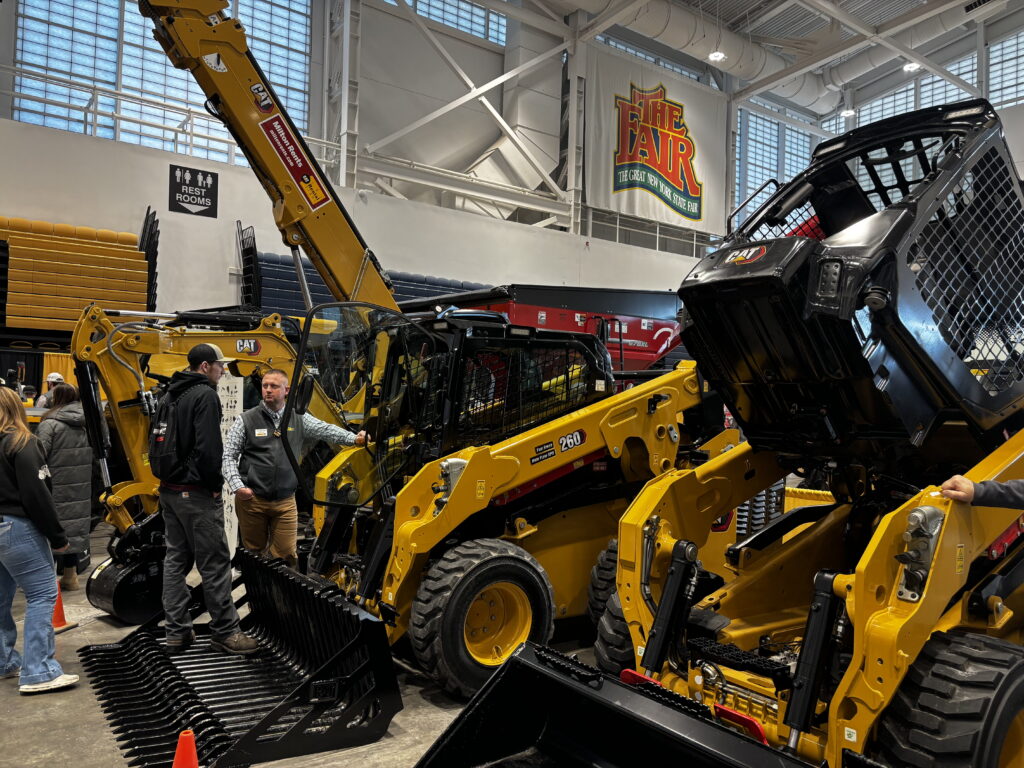
Co-owner and Vice President of the New York Farm Show David Close said for equipment dealers, the Farm Show is not just a showcase, but also a key sales opportunity ahead of the busy season.
“It’s probably one of the best business shows that we could offer for the dealers,” said Close. “And spring’s right around the corner, so they’re ready to buy.”
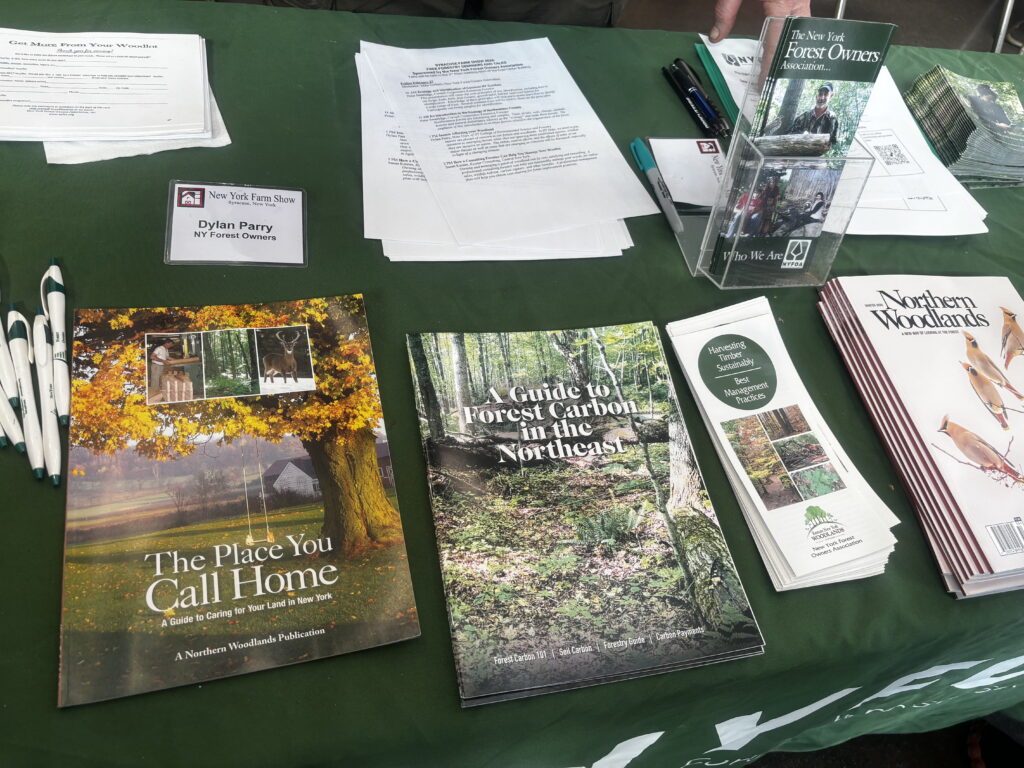
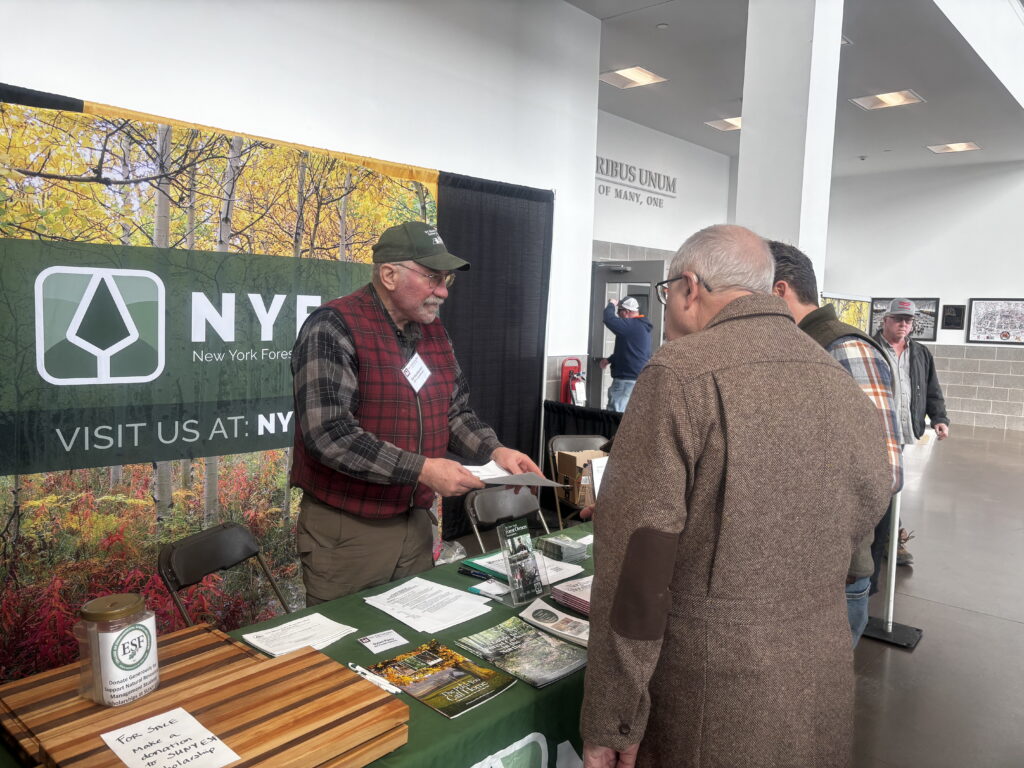
While the Farm Show is known for heavy equipment and agricultural technology, forestry education has become a major draw. From combating invasive species to strengthening sustainable woodlot practices, forestry seminars highlight a growing reality: The future of New York agriculture is tied just as closely to the health of its forests as to the productivity of its fields.
Organizers said woodlot owners, maple producers, and land managers are looking for practical strategies to deal with invasive species threatening forest health, changing climate conditions, rising land management costs, and demand for sustainable timber practices.
New York Forest Owners Association President Ed Neuhauser warned the consequences of inaction are already visible across parts of the state, pointing at certain tree species that are beginning to show signs of decline.
“Well you could see the decline of red oak in New York State, which is a major timber species,” said Neuhauser.
According to the New York State Department of Environmental Conservation, New York is home to nearly 19 million acres of forest—covering more than 60% of the state—which makes forestry a major economic and environmental issue.
Forestry experts at the show also discussed how warmer winters are expanding invasive insect ranges, changes in species composition in the Northeast, and the role forests play in carbon storage and climate mitigation.
Forests are the Earth’s natural lungs and carbon storage banks, removing carbon dioxide from the atmosphere through photosynthesis and storing it for decades or centuries in trees, roots, and soils. When trees are harvested sustainably, the carbon remains stored in wood products rather than being released immediately.
Forester Peter Smallidge said while invasive species pose an immediate threat, long-term forest health requires a broader strategy which includes practices designed to strengthen ecosystems and improve carbon absorption.
“We’re able to manage forests in a way that the forests are healthier, the forests sequester or absorb more carbon, and that in the long-run is going to be good for the climate,” said Smallidge.
According to the New York State Department of Environmental Conservation, New York forests act as major carbon sinks, absorbing millions of tons of carbon dioxide annually, which makes forest management part of the climate conversation.
VIDEO TRANSCRIPT: 40 years of growing: Inside the 2026 New York Farm Show
Reporter Hunter Caparelli: Thousands are filling the expo floor this weekend for the 40th anniversary of the New York Farm Show, where the latest agricultural tools are being put on display.
Part Owner and Vice President of the Farm Show David Close: It’s probably one of the best business shows that we could offer for the dealers, and spring’s right around the corner so they’re ready to buy.
Caparelli: But beyond the machinery, another conversation is drawing attention this year — forestry.
New York Forest Owners Association Director Ed Neuhauser: They’re a source of water, they’re a source of clean air, and they’re a source of resources, paper and timber, and jobs.
Caparelli: New York happens to be home to nearly 19 million acres of forests. Experts here say education is one of the most important tools landowners have to protect those woods for the next generation.
Cornell Extension Forester Peter Smallidge: Some of the most productive and valuable forests, on a per acre basis, anywhere in the world.
Caparelli: Meet Peter Smallidge, New York State Extension Forester. Smallidge says the Farm Show isn’t just about what’s new, it’s about what’s next. And for many farmers, that future includes protecting millions of acres of forestland across the state.
Smallidge: It all starts with spending time in the woods, and learning how to identify trees.
Caparelli: In the seminar room, Smallidge laid out forestry issues such as invasive species and changing ecology. New York Forest Owners Association President Ed Neuhauser gave a potential causality of these issues.
Edhauser: Well you could see the decline of red oak in New York State, which is a major timber species.
Caparelli: Smallidge says forestry is also a very important solution for climate change, labeling it a “win-win opportunity.”
Smallidge: We’re able to manage forests in a way that the forests are healthier, the forests sequester or absorb more carbon, and that in the long-run is going to be good for the climate.
Caparelli: Organizers say blending innovation on the show floor with educational seminars reflects how agriculture is evolving, where field and forest are more connected than ever. In Syracuse, Hunter Caparelli, NCC News.
Forestry seminars at the farm show included selective harvesting versus clear cutting, improving timber quality and long-term yield, wildlife habitat planning, and maple production best practices.
The economic impact of forestry in New York cannot be overlooked as well. According to the Empire State Forest Products Association, forestry and forest products contribute $13.1 billion annually to New York’s economy. Thousands of jobs are tied to timber, paper, furniture, and maple production. Additionally, healthy forests support tourism, hunting, and outdoor recreational activities.
Smallidge added that forestry impacts not only climate, but also maple syrup makers and timber producers.
“If there’s health problems, the maple syrup production may not be as good,” said Smallidge. “And if it got really bad, then the production of wood products might decline.”