

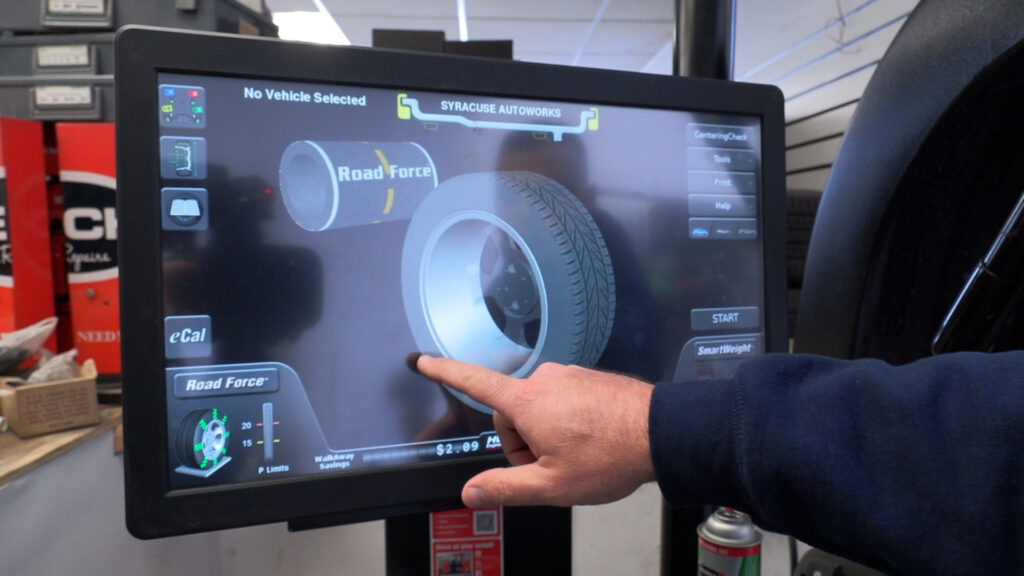
While Central New York avoided the worst of last week’s winter storm, drivers across New York State were not as fortunate. New York State police responded to more than 200 crashes on Monday following the storm. On Wednesday, four vehicles slid into a guardrail in Cortland County due to slippery road conditions.
Local mechanics say driving with proper tire maintenance could prevent the next accident.
“If you’re unsure, it’s better to be safe than sorry,” said Tim Donohue, owner of Syracuse Auto Works.
Donohue says it is a common occurrence to see vehicles come into his shop after sliding into curbs during snowy or icy conditions. He advises drivers to make sure they know about the status of their tires.
Video Transcript:
Miguel Freire: Winter driving safety doesn’t start behind the wheel, it starts with your tires.
Tim Donohue: “If you’re unsure it’s better to be safe than sorry.”
Freire: Tim Donohue is the owner of Syracuse Auto Works, and he says he sees many incidents where winter conditions often cause drivers to slide into curbs. He adds it’s always best to get your tires checked by a professional.
Donohue: “If you’re worried about winter traction or you feel like you’re not having the traction you have, bring it to an automotive professional just to have them assess the conditions of the tires.”
Freire: This past week, accidents have happened both statewide and locally, with the snow and weather playing a role. On Monday, state police responded to over 200 crashes after last week’s storm. On Wednesday, four more cars collided with a guardrail in Cortland County, which authorities say was due to slippery roads. But many accidents are preventable with proper care.
Lukas Smith: “Main things are just to keep a good speed given the weather conditions. Keep your tires at the proper tire pressure, and constant maintenance—making sure that everything is within spec.”
Freire: You can also use a Tire Tread Gauge to check your tires yourself.
Donohue: “This gauge will tell you how deep the tread is on your tires.”
Freire: And it doesn’t matter how confident you are in your vehicle… your tires are more important than you may think.
Donohue: “An all‑wheel drive vehicle that doesn’t have great tires on it isn’t getting you the traction that you need to get down the road. So even better to have a two‑wheel drive vehicle with great snow tires than an all‑wheel drive with bad tires.”
Freire: With more snow expected next week, getting your tires checked today could prevent a costly mistake tomorrow. In Syracuse, Miguel Freire, NCC News.
“If you’re worried about winter traction or you feel like you’re not having the traction you have, bring it to an automotive professional just to have them assess the condition of the tires,” Donohue said.
Other mechanics add that there are a few things to keep in mind when driving in the winter that could significantly reduce the risk of accidents.
“Main things are just to keep a good speed given the weather conditions, keep your tires at the proper tire pressure, and constant maintenance, making sure everything is within spec,” said Lukas Smith, an employee at Syracuse Auto Works.
Brand new tires typically have about 10/32 to 12/32 of an inch of tread, according to Donohue. While New York State requires at least 2/32 of an inch to pass inspection, he says drivers should consider replacing tires once they reach 4/32 or 5/32 for safer winter driving.
“We want to make sure the tires are up there, not only do they have enough tread, but they’re the right type of tires for the winter conditions we experience up here,” Donohue said.
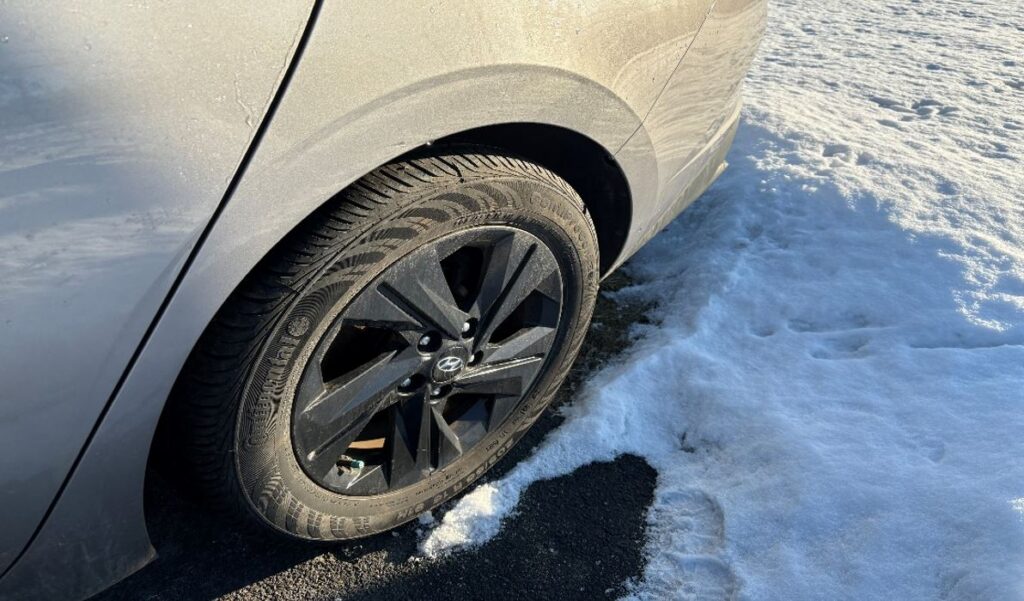
Drivers can also check their tread at home using a tread gauge, a small tool that measures how deep the grooves are in a tire.
He also warns people not to fully rely on the quality of their cars even if they are all-wheel drive vehicles.
“An all-wheel drive vehicle that doesn’t have great tires on it isn’t getting you the traction that you need to get down the road,” Donohue said. “It’s even better to have a two-wheel drive vehicle with great snow tires than an all-wheel drive with bad tires.”