
© 2026 Jack Hughes
SYRACUSE, N.Y. (NCC News) — In previous years the federal government covered 50% of the costs related to the Supplemental Nutrition Assistance Program (SNAP). With the passage of H.R. 1, which the Trump administration calls “The One Big Beautiful Bill Act”, only 25% of costs will be covered at the federal level starting with the new fiscal year on Oct. 1.
In New York, this means counties will take on over $168 million in extra costs according to estimates from the New York State Association of Counties (NYSAC).
In New York’s 22nd Congressional District, which includes Oneida, Cayuga and Onondaga counties, there were over 100,000 people who used SNAP in 2025, according to the New York Office of Temporary and Disability Assistance. Those on SNAP received nearly $20 million in aid from the program.
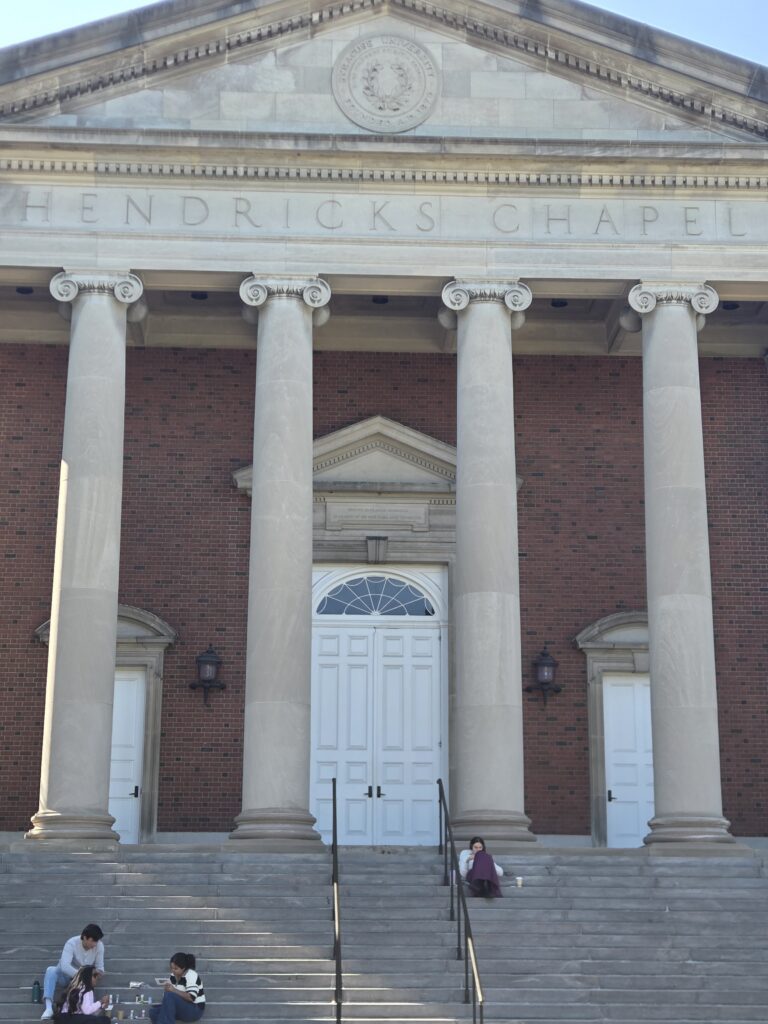
Local organizations, such as the food bank at Syracuse University’s Hendricks Chapel, have fought through similar situations before, notably the 2025 government shutdown.
One of the obstacles for these food banks has been fighting the stigma of food insecurity.
“Nobody wants to say they’re hungry,” said Alison Murray, assistant dean of student assistance at Hendrick’s Chapel. “Right, nobody wants to say that if I had to make a decision between a roof over my head and food, I’m obviously going to choose the roof over my head.”
The Trump administration also installed a policy allowing them to deny people applying for green cards if they or certain relatives are on government programs. These include not just SNAP, but other programs such as Medicaid and student financial aid.
In the face of these challenges, Murray said that she believes in the ability of the food bank to handle the results of these cuts.
“SNAP, as great a resource as it is, this is where we start to lean on community partnerships, as well as campuswide partnerships, to help fill that void,” said Murray.