

CLAY, N.Y. (NCC News) – “If you were to build a 100-kennel shelter to round up all of the strays, it would be full by the end of the week.”
Maureen Davison, the executive director of HumaneCNY doesn’t mince words about how much pressure local animal shelters are under.
Just last month B&R Bunkhouse, an animal shelter in Syracuse, decided to not renew their contract with the city. As a result, the city of Syracuse has nowhere to put new strays.
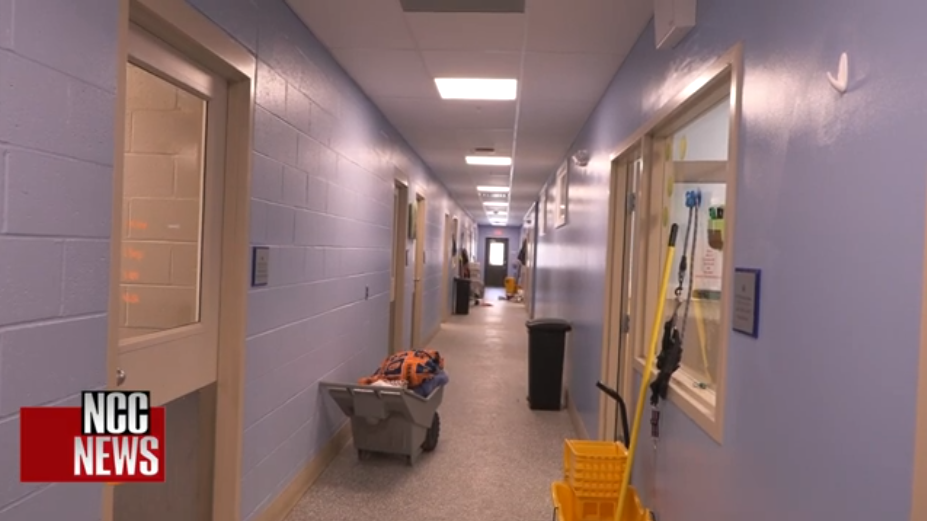
Shelters across central New York are stepping up and as a result, they are either filling up quickly or already at capacity. For HumaneCNY, Davison said they’re doing all they can.
“A lot of shelters around the area have taken in these overflow cases. We have taken in 11 animals just this week and we cannot physically take more,” Davison said.
With B&R Bunkhouse no longer under contract with Syracuse, the city is looking for a new space. According to Corey Driscoll Dunham, Syracuse’s Deputy Mayor, it’s hard to find a long-term solution.
“There are a lot of factors that play into it, which is why it has been so difficult to identify a location. It needs to be a property that doesn’t have environmental concerns, green space available and accessible to people,” said Driscoll.
The dogs are ready for a new home, but the rate of adoption is also slow, compounding an already big issue.
“People really aren’t adopting animals that quickly so these shelters are filling up” Davison said. “We want all of these animals to get adopted, but with the slow rate people are adopting, we can’t take more animals in.”
Even if you are not interested in adopting a pet, there are still ways to help push towards a solution.
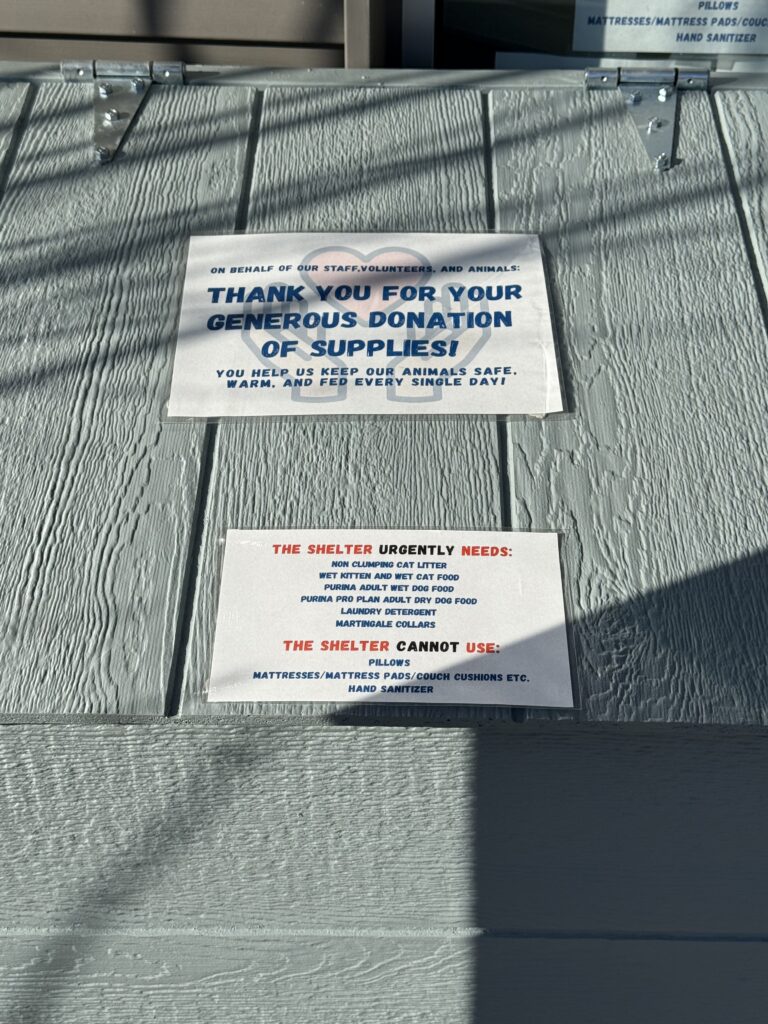
Davison says that you could write to the deputy mayor’s office explaining the significance of the issue, or, you can donate supplies to any of the shelters.
“We have to make sure the spaces are safe and clean to let these dogs grow and develop,” Davison said. “It takes quite the schedule and organization but at the end of the day we love to help everyone that comes through.”
FULL TRANSCRIPT
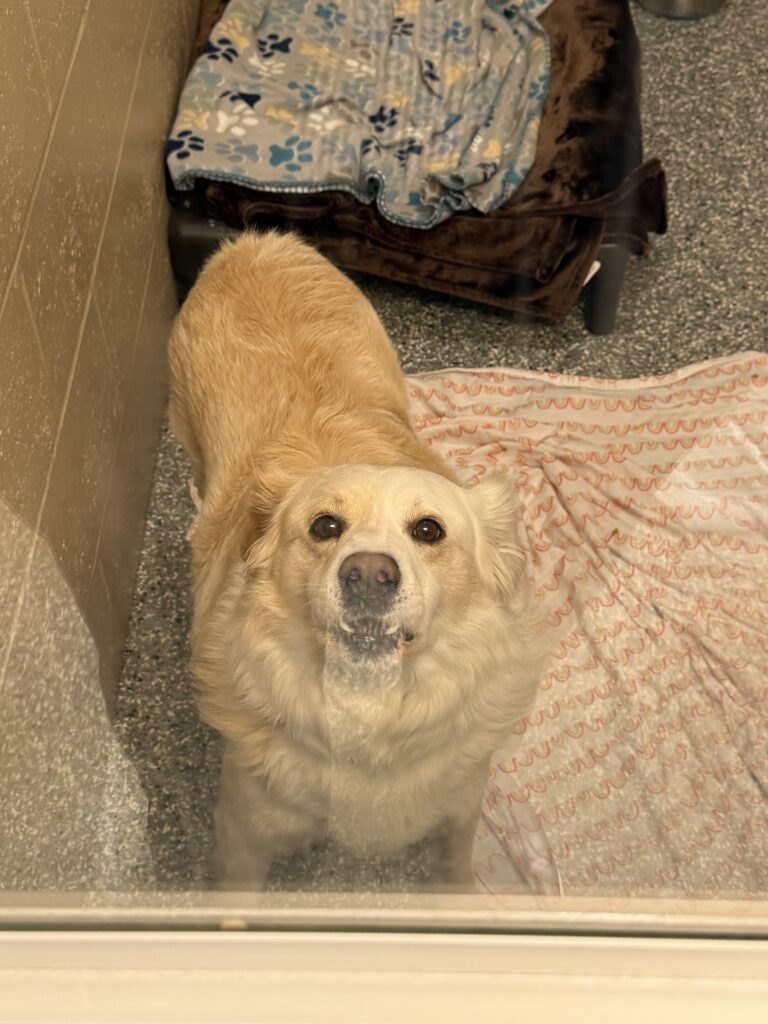
Johnstone: Meet Bluey and Bingo. No, not the loveable cartoon characters, but two dogs who have found shelter at HumaneCNY. They are just two of over twenty animals that are looking for their forever home. For Maureen Davison, the executive director at HumaneCNY, they are at capacitym and the city has nowhere to put more animals.
Davison: It’s been many years where a lot of us are trying to help… so we’ve taken some of the overflow cruelty cases and there’s a couple other rescues that take a lot of animals as well. We just took 11 animals in the last week; we have no room for another animal right now.
Johnstone: Bingo and Bluey are two of the newest editions to HumaneCNY and are a part of the cruelty cases after their involvement in dog fighting. While their past is traumatic, their boundless energy and evident natural love show through. Shelters across central New York want to take in as many animals as possible, but even that might not be enough according to Davison.
Davison: I think it’s a much bigger issue than just a shelter, if the city turned around and built a 100 kennel shelter, it would be full by the end of the week.
Johnstone: Davison goes on to say that there are concerns over spaying and neutering prices as well as ensuring that the space for these animals are clean and safe. For those who want to help…
Davison: You can write to the office of the Mayor and the county executive and express their concerns about what is going to happen when there is no shelter. And see if somebody can get the plan, we just really want to know the plan because we are really struggling to stay above water.
Johnstone: It’s not required to adopt an animal to make an impact. Donating supplies to shelters or writing to the city to push them to find a new space for strays are two more ways to help out.
Johnstone: The Humane-C-N-Y staff say dogs like Bingo and Bluey are ready for a family. The problem is, they keep waiting. In Clay, Simon Johnstone N-C-C News.
At the end of the day, the solution falls on the executive powers of the city. For many like Davison,
“We just want to know the plan, we just want to know what’s going to happen because a lot of us are struggling to stay above water as is.”