

Key Points:
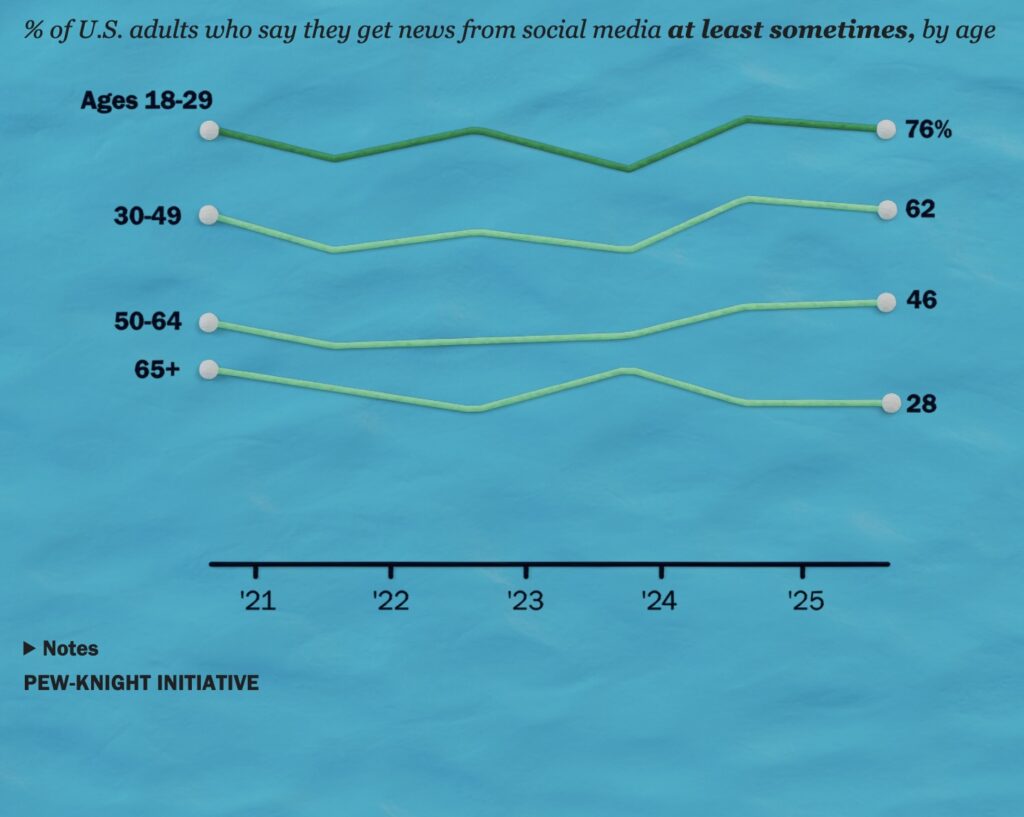
● A new Pew Research study found that 76% of young adults get their news from social media and that they find news by scrolling sites rather than actively looking for it.
● Members of Gen Z are also more likely to believe in the news they see on social media without verifying it.
● PLUS: Local TV stations, like NewsChannel 9 in Syracuse, are being forced to reckon with changing consumer habits while maintaining their journalistic credibility. How are they keeping up?
Olivia Kelly: ”I’m not watching the news… no.”
Maggie Robinson: So, where does this Syracuse University student get her news coverage?
Olivia Kelly: “Instagram, TikTok, and Snapchat.”
Robinson: and she’s not alone…
Robinson: If you’re under the age of thirty, chances are you’re not getting your news from local tv stations like this one… you’re getting it online, and this is according to the latest Pew Research study that found that 76% of young adults get their news from social media.
Andrew Donovan: “Anyone can post to TikTok and Facebook and Instagram, sometimes it’s right, sometimes it’s not, but you don’t know.”
Robinson: That’s Andrew Donovan, senior reporter at WSYR, who has seen the digital evolution of news firsthand during his twenty-year career.
Andrew Donovan: “At first, it was posting to a website, and then it was maybe the early inception of mobile phones, right? Text alerts. Then it was social media.”
Robinson: While news on social media has increased reach, it has also made consumers less digitally savvy.
Olivia Kelly: “I feel like I believe most of it, but sometimes I’m like, is this real or not?”
Robinson: So what can local news do to combat misinformation? Donovan says that while the medium has shifted, the work of journalists stays the same.
Andrew Donovan: “We work all our lives. This station, our history has worked to be deemed credible. And the nine logo, which means so much to me and means so much to the station, always shows that it’s credible information without bias, totally fact-checked.”
Robinson: Both journalists and doom-scrollers need to adapt to stay ahead of the always-changing digital landscape. Maggie Robinson, N-C-C News.
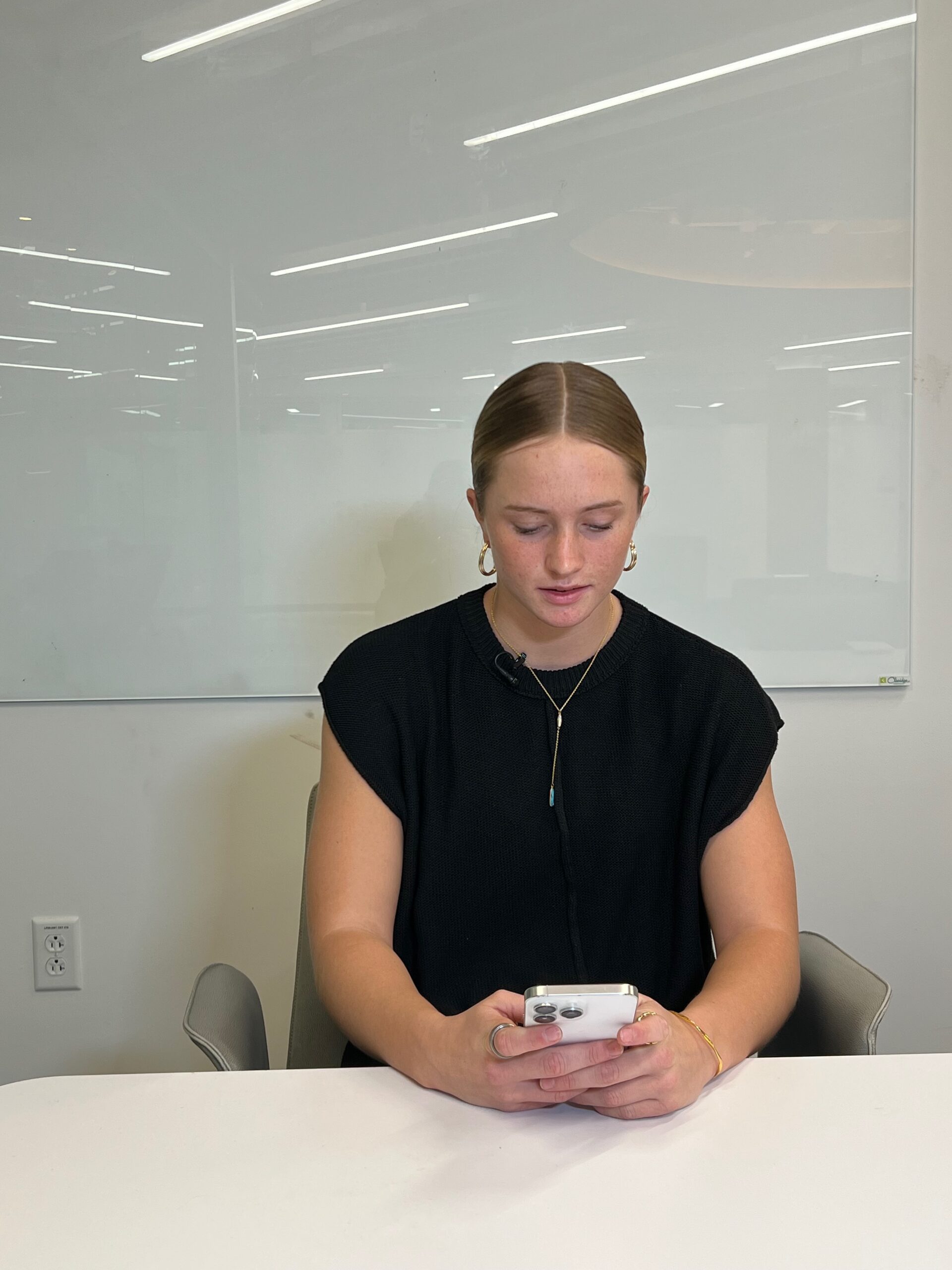
SYRACUSE, N.Y. (NCC NEWS) — Nine hours. That’s how long Olivia Kelly spent on her phone yesterday.
How is this Syracuse University student spending so much time online? Social media doom-scrolling.
On “TikTok, Instagram, and Snapchat,” to be exact, says Kelly.
Kelly describes her daily routine as “scrolling, (while) walking to class, or like lying in bed… if something catches my eye, I’ll click on it and read more about it.”
Kelly’s not alone. According to new data from the Pew Research Center, people under the age of 30 are more likely to get their news from social media than traditional news outlets, and they’re more likely to trust it.
“I feel like I believe most of it,” Kelly says with a laugh. “But sometimes I’m like, is this real or not?”
As people increasingly get their news from social media sites, local news stations where they publish news to meet viewers’ needs.
Local WSYR senior reporter, Andrew Donovan, says the shift to digital is nothing new. He started his career as a digital producer for WKTV in Utica, and has seen firsthand how journalism has adapted to the digital age.
“At first, it was posting to a website, and then it was maybe the early inception of mobile phones, right? Text alerts. Then it was social media, Facebook, and Twitter. Now it’s TikTok, and there’s Instagram in between,” said Donovan.
While the medium is ever-changing, Donovan says the principles of journalism stay the same on social media.
“When you’re putting a professional journalist in those spaces or a news organization as a brand, you can trust them,” said Donovan.
So next time you’re doom-scrolling in bed, have a skeptical eye when it comes to sensationalized titles or exaggerated stats. If it seems too good to be true… it probably is.
Video Transcript
Maggie Robinson: “If you’re under the age of thirty, chances are you aren’t getting your news from local news stations like this one. You’re actually getting it online. And this is according to the latest Pew Research study that found that 76% of young Americans get their news from social media.”
Olivia Kelly: “I’m not watching the news, no. Definitely TikTok and Instagram.”
Robinson: “What does local WSYR reporter Andrew Donovan have to say about this?”
Andrew Donovan: “When you’re putting a professional journalist in those spaces or a news organization as a brand, you can trust them.”