

SYRACUSE, N.Y. (NCC NEWS) — While U.S. honey bee colonies face a 60% loss since last summer, many Syracuse beekeepers are thriving, supporting local farms with strong harvests. But they warn community action is needed to protect Central New York from the national pollination crisis.
Commercial beekeepers lost more than half their colonies from June 2024 to January 2025, driven by viruses from Varroa destructor mites, according to the U.S. Department of Agriculture. These parasites weaken bees, echoing past Colony Collapse Disorder outbreaks.
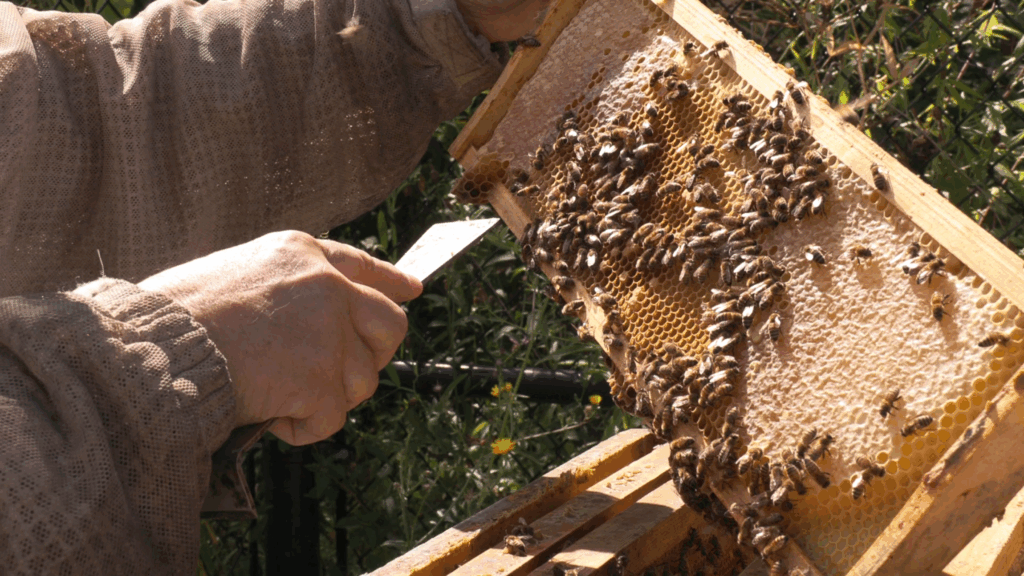
In Syracuse, many beekeepers are succeeding. Bob Faulkner of Syracuse Honey LLC has grown from two hives to 150, reaping an abundant harvest this year by timing hives with spring nectar flows.
“It’s all about having the bees ready at the right time,” Faulkner said. “My bees have had a banner year.”
His mite management keeps Syracuse hives strong, while many apiaries nationwide experienced 70% to 100% colony die-offs over the last 12 months, according to a Cornell study. Those severe losses have not yet reached Syracuse.
“So far, it has not gotten here,” he said.
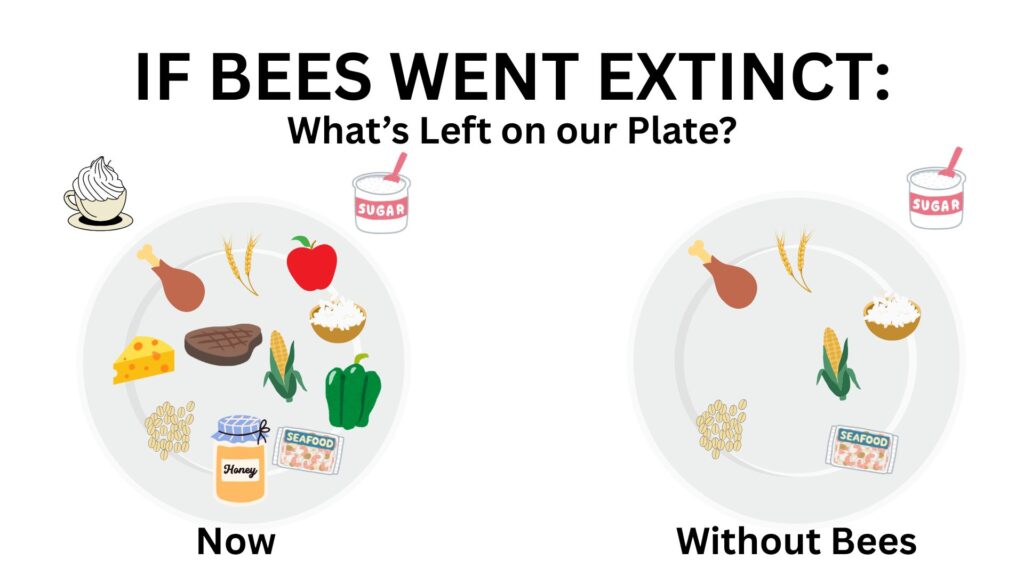
Bees are vital to Syracuse’s orchards and markets. Pollinators support 75% of global crops, with honey bees key, according to the Food and Agriculture Organization.”We shop at the farmer’s market a lot, we love our farmer partners,” said Jessica Miller, project manager for Syracuse’s Kitchen Literacy Project at the Museum of Science and Technology (MOST), which relies on local produce.
Pesticides and pollution worsen the crisis, according to the National Library of Medicine research. Miller sees the stakes clearly.
“It’s pretty disastrous in fact to be losing bees,” she said.
Faulkner, whose passion for bees began at age 12, warns that a loss of pollinators could disrupt food security.
“If we lose our honeybees, we’re not gonna have a supply of food,” he said.
To protect Syracuse’s bees, both urge supporting local beekeepers through purchases.
To support beekeepers, Miller suggests going to local sources for honey, shopping at the farmer’s market and avoiding killing bees despite their sometimes frightening presence.
“It’s gonna sound self-satisfying, but I’d say buy local,” Faulkner said. “It’s the local bees that are making the squash, pumpkins, zucchinis, tomatoes and berries we eat.”
With threats looming, Syracuse’s success is a call to action.
“It’s been my pleasure to do this work with the bees,” Faulkner said. “The love of me and the bees together — that’s why I’m at the 150 hives I have now.”
VIDEO TRANSCRIPT: Syracuse community protects its bees amid national crisis
Tim Calnon: I think not very many, but I might say…potatoes and broccoli.
Alexandra Petro: A Syracuse local guesses foods that would survive without bees. He’s right, but the impact is far greater. The FAO says we’d lose 75 percent of our global food supply if bees went extinct
Bob Faulkner: My concern for the overall country…when I first heard about this, I said, ‘it’s gonna have an impact on the food supply chain.
Petro: A Cornell study says U.S. bee colonies have dropped 60 percent this year. The USDA says one in three bites of food depend on bees. Syracuse hives fuel local farms, and residents aim to keep them strong.
Jessica Miller: It’s pretty disastrous in fact to be losing bees.
Petro: Jessica Miller of ‘MOST’ says she worries about the national bee crisis. Bob Faulkner credits his success to timing bees for spring nectar flows.
Faulkner: It’s all about having the bees ready at the right time. My bees have had a banner year. It’s been wonderful.
Petro: Miller sources local produce in Syracuse for her cooking classes, relying on bees for crops like tomatoes.
Miller: We shop at the farmer’s market a lot, we love our farmer partners.
Petro: Faulkner hopes Syracuse’s agriculture, dependent on bees, stays strong despite national losses.
Faulkner: If we lose our honeybees, we’re not gonna have a supply of food.
Petro: Both Miller and Faulkner suggest supporting local beekeepers to protect Syracuse’s food supply.
Miller: Going to your local beekeepers for your honey….
Faulkner: It’s gonna sound self-satisfying here, but I’d say buy local.
Petro: Faulkner says his 150 hives help sustain Syracuse’s local food supply.
Faulkner: It’s been my pleasure to be able to do all this work with the bees.
Petro: In Syracuse, Alexandra Petro. NCC News.