

SYRACUSE, N.Y. (NCC News) — As Muslims around the world observe Ramadan, a month centered on fasting, prayer and reflection, a Syracuse organization is inviting the broader community to not only take part in a shared meal — but also to explore the deeper meaning and possible health benefits behind the fast.
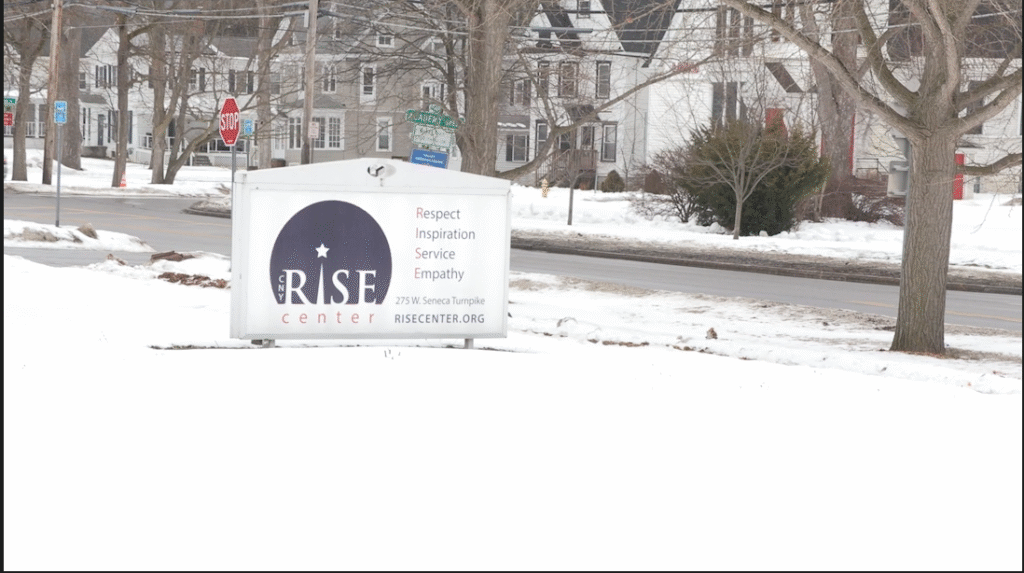
The CNY Rise Center will host its 13th Annual Community Ramadan Dinner Thursday evening. The event begins before sunset and will culminate with the breaking of the fast, known as iftar, when Muslims eat their first meal of the day after abstaining from food and water since dawn.
Organizers say the dinner is designed to welcome people of all backgrounds, not just those who observe Ramadan.
“It doesn’t have to be a Muslim. It can be anybody — our neighbors — come and join us,” said Tim Sakaa, outreach coordinator for the CNY Rise Center. “Use the traditions that you have as an opportunity to invite people and talk to them.”
Ramadan is the ninth month of the Islamic calendar and is considered the holiest month in Islam. Muslims believe it was during Ramadan that the Quran was first revealed. Throughout the month, those who are physically able fast each day from sunrise to sunset. That means no food, no water and no beverages during daylight hours.
But those who observe Ramadan say the fast is about far more than physical deprivation.
“They will tell you Ramadan is something that Muslim people fast from dawn to dusk and they don’t drink and they don’t eat,” said Dr. Mobin Karimi, an assistant professor of microbiology and immunology at Upstate Medical University. “But what is the real purpose of Ramadan? Why do people fast in Ramadan?”
“The most important is a spiritual journey,” Karimi said.
He said that Muslims view Ramadan as a time of discipline and reflection — a way to step back from daily routines and focus on faith, gratitude and empathy. Many increase their prayers, read more of the Quran and give more to charity. The fast is also meant to foster awareness of those who struggle with hunger year-round.
“Muslims believe that this 30 days of fasting is like extensive training to prepare for the 11(th) month of the year,” he said.
In other words, the habits built during Ramadan — patience, self-control, generosity — are meant to extend long after the month ends.
Each evening at sunset, families and communities gather to break the fast. Traditionally, the fast is broken with dates and water before a larger meal is shared. At the CNY Rise dinner, that moment will happen collectively, bringing together Muslims and non-Muslims at the same tables.
“It is like a celebration in many levels,” Sakaa said. “It’s supposed to be as a whole family or a community. We are doing it together. So it just kind of multiplies the joy together.”
This year’s dinner will also include a presentation from Karimi examining what modern research says about fasting. While Ramadan fasting has been practiced for more than 1,400 years, interest in fasting has grown in recent decades as scientists study its effects on metabolism, blood sugar regulation and inflammation.
“When you look at PubMed and you type the benefit of fasting of Ramadan, you will get hundreds and hundreds of articles,” Karimi said. “A lot of academic research has been done.”
Karimi said several studies suggest fasting may help reduce risk factors associated with Type 2 diabetes, improve insulin sensitivity and support metabolic health. During Ramadan, the body shifts from relying on a steady supply of glucose from meals to using stored energy.
“A lot of academic research has been done how it could decrease diabetes, how does it increase metabolism, how does that mental state become more stabilized,” he said.
He pointed specifically to the pancreas, which produces insulin to regulate blood sugar. Constant food intake, particularly diets high in refined sugar, can place strain on the organ.
“In this month you give pancreas a break from the excessive intakes of sugar,” Karimi said.
By limiting food intake to specific hours, the body may have an opportunity to recalibrate. Some researchers are also examining whether fasting can reduce inflammation and trigger cellular repair processes, though Karimi cautioned that not all mechanisms are fully understood.
“There are a lot of evidence to this,” he said. “But the exact mechanism… is not known yet.”
Beyond physical effects, Karimi said mental health is another area of interest. While fasting can be challenging, many people report improved focus and a sense of clarity during Ramadan. He believes the structured routine and spiritual grounding play a role.
“The mental state of health is more significantly important than any other part of your body,” he said.
Still, he emphasizes that Ramadan is not intended as a diet plan or weight-loss strategy. The primary purpose remains spiritual. Any health benefits are seen as secondary — though increasingly studied.
For Sakaa, the value of Thursday’s dinner goes beyond science or tradition. In a time when communities often feel divided, he sees the meal as an opportunity to build trust and understanding.
“A lot of times the separation, polarization happens in the community when we are not talking to each other,” Sakaa said. “We try to break those barriers and build bridges.”
By combining faith, research and conversation around a shared table, organizers hope attendees leave with a clearer understanding of Ramadan — and of one another.
“We try to break those barriers and build bridges,” Sakaa said.
The Annual Ramadan Dinner will take place at the CNY Rise Center, 275 W. Seneca Turnpike, at 5:30 p.m. Thursday.