

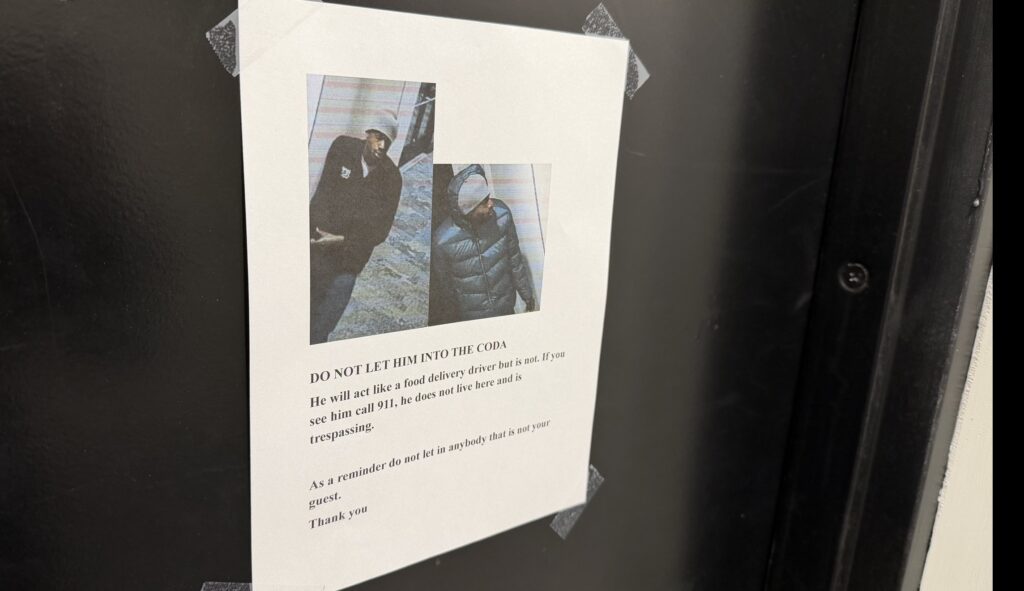
SYRACUSE, N.Y. — Off-campus apartment managers near Syracuse University are warning residents to stop holding doors open for people they don’t know, after recent incidents where individuals followed students inside secure building entrances.
At The Coda, a student apartment building on East Genesee Street, staff say the issue isn’t forced entry — it’s “tailgating,” when someone slips in behind a resident. They say these situations often begin with students simply trying to be polite.
“We’ve seen people follow residents in by taking advantage of that kindness,” said Khiary Gayle, Community Manager at The Coda. “You see someone behind you and you want to hold the door, but not everyone belongs inside the building.”
The Coda uses mobile credentials, electronic door locks and more than 90 security cameras to monitor the property. Only residents’ phones can unlock doors or access amenities, but management says tailgating still creates safety concerns — especially when delivery drivers or unfamiliar individuals attempt to enter.

Gayle says building staff have recently dealt with situations where people impersonated delivery drivers to enter lobbies and find a warm place to sit. While most cases have been non-threatening, his priority is preventing any unauthorized entry at all.
Several nearby buildings have posted similar reminders, including flyers urging residents not to hold the door for strangers or delivery drivers — even if they appear to be dropping off food.
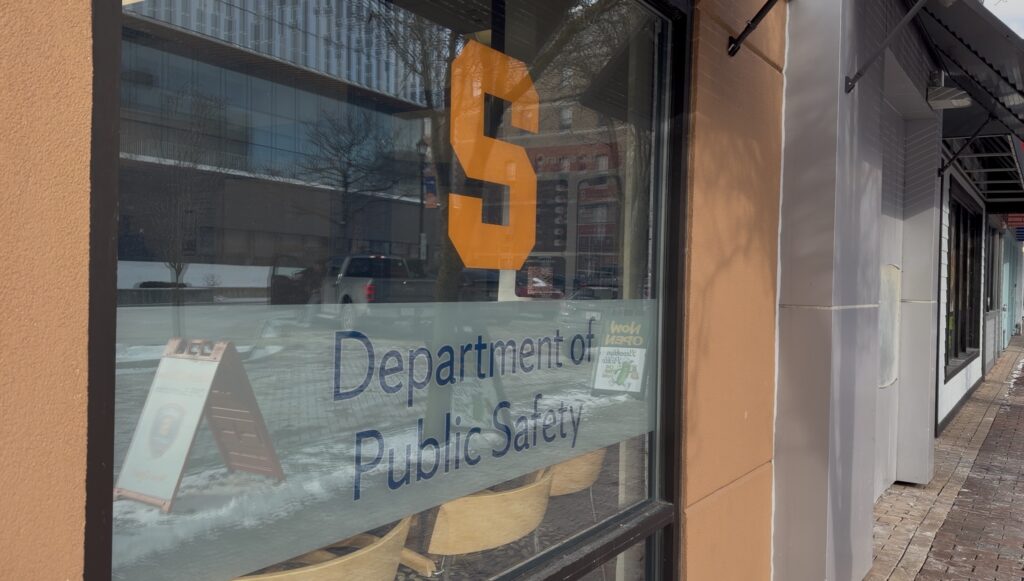
DPS declined an interview for this story but directed NCC News to its published housing safety guidelines. In those guidelines, the department urges students to “determine who is on the other side of the door before opening it” and to avoid letting in anyone they don’t recognize.
Delivery drivers are still allowed to drop off food, but they are not permitted to enter buildings without staff approval. Managers recommend tracking orders, meeting drivers at the entrance and contacting building staff if something feels unusual.
Gayle says security incidents at The Coda are rare, but preventing tailgating is a shared responsibility.
“Residents can help us a lot by simply not holding the door,” he said. “Staying aware and following the access rules really keeps everyone safe.”
Students with concerns about building access or suspicious activity are encouraged to contact their property management office or DPS.
VIDEO TRANSCRIPT
Danny Erb:
At several student apartment buildings near campus, management says they’re seeing more people try to follow residents inside — including delivery drivers and strangers looking for a warm place to sit. At The Coda, staff say the issue usually starts with students just trying to be polite.
Khiary Gayle:
“The biggest breach for our security is just being a really nice guy or a nice person.”
Erb:
The Coda uses electronic locks, mobile credentials, and more than 90 security cameras to protect its residents. But even with those systems in place, managers say building safety still depends on residents not letting unknown people inside.
To show how the technology works, staff walked me through how residents unlock their doors.
Gayle:
“So you’ll walk right up to your Yale electronic door lock. You’ll hit the Yale button, and then you’ll go ahead and hit activate key, hold it somewhere in that vicinity, and it shall open for you. Voila. Come on in.”
Erb:
Only residents’ phones can open these doors — meaning delivery drivers and strangers can’t access any floor or amenity without staff approval.
Gayle:
“You know, there’s a system in place, and sometimes the system can be replicated or used to kind of trick or gain advantage of somebody based off what they personally would do. If there was somebody behind them and they had the door open, they’re going to hold the door for them.”
Erb:
Every door at The Coda requires your phone to open — and if it dies, you’re stuck outside until someone lets you in. Managers say the same rule applies for everyone else: if you don’t know them, don’t let them in, even if they’re holding your dinner.
Delivery drivers can still drop off food, but they’re not allowed to enter the building. Staff say residents should track orders, meet drivers at the entrance, and talk to management if something feels off.
And while the Department of Public Safety declined an interview, the agency pointed students to its housing safety guidelines, reminding residents to be cautious about who they allow inside.
Coda staff say security incidents are rare — but staying alert, locking doors, and not holding them open goes a long way toward keeping residents safe.
Erb:
Reporting in Syracuse, I’m Danny Erb, NCC News.